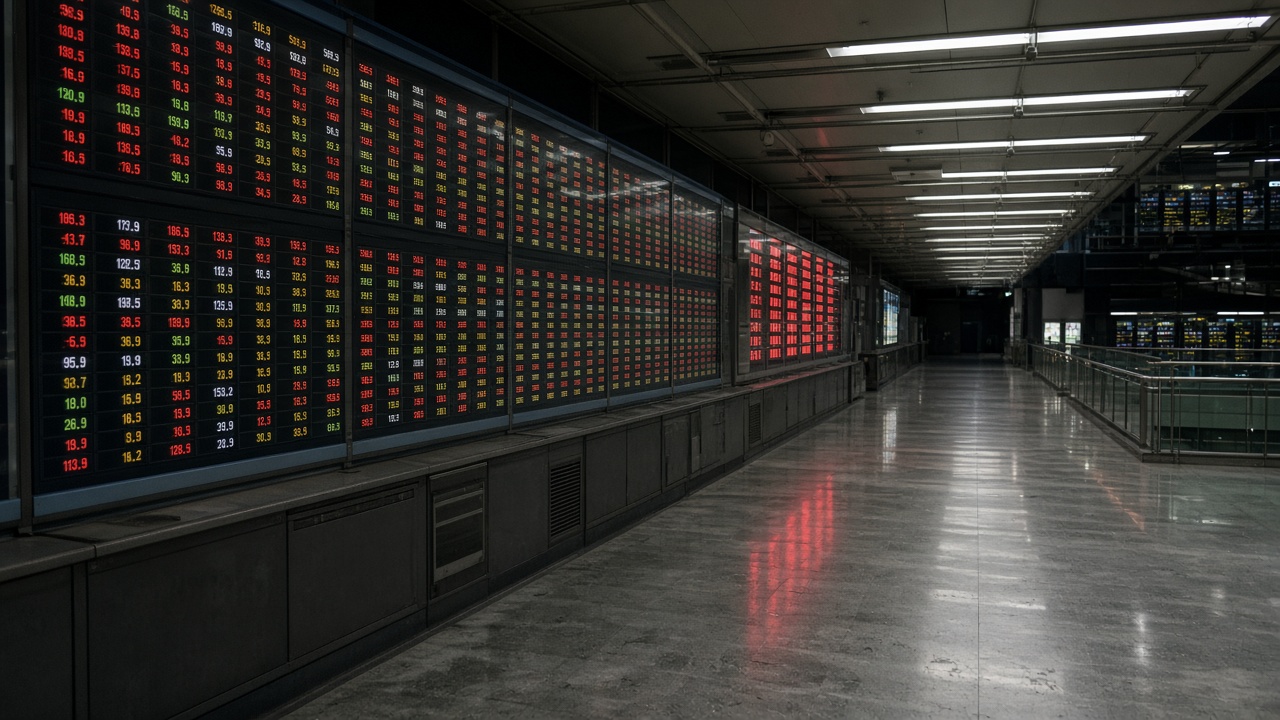
Japan’s Nikkei 225 slid 1.42 percent on Thursday to close at 69,042.11, giving up the 70,000 handle as Middle East oil shocks fed through to Tokyo-listed automakers and overnight weakness on Wall Street kept risk appetite thin.
Sector moves under the surface
Exporters that benefited from a softer yen earlier in the week reversed hard when Brent-linked input costs jumped. Trading desks said Toyota, Honda, and Nissan weighed on the price-weighted index, while chip equipment names that had rallied on AI demand also retreated after U.S. semiconductor shares cooled. The broader TOPIX fell in tandem, signaling the selloff was not confined to a handful of large-cap tech names.
Foreign investors remained net sellers according to morning brokerage flow data, extending a pattern seen since the Bank of Japan’s last rate move. Domestic pension funds were quieter ahead of the Oct. 29 policy meeting, leaving macro headlines to drive the session.
Macro crosswinds
The dollar traded near 158.17 yen in Asia, little relief for importers paying dollar-denominated fuel bills. U.S. Treasury yields stayed elevated after the 10-year touched levels not seen since 2002, a reminder that Japanese equities are still syncing with global bond volatility even as the BOJ inches away from zero.
On the same day, the BOJ’s quarterly Sakura report said firms in many regions were passing higher raw-material and labor costs into consumer prices. Two regions—Shikoku and Hokuriku—received upgraded economic assessments, partly on AI-related electronics demand. That fundamental support did not stop Thursday’s risk reset, but it gives bulls a narrative if earnings season proves resilient.
What Tokyo traders watch next
Friday’s calendar is light, so oil futures and U.S. equity futures will likely set the tone for the open. Options markets show implied volatility ticking up around the BOJ week, suggesting desks are hedging rather than adding directional bets. Any further climb in energy prices would hit airlines and chemical producers next, widening the drag beyond autos.
For retail investors, the drop marks the first close below 70,000 since the index reclaimed that milestone on enthusiasm over corporate governance reforms. Long-only funds may treat the level as psychological support, but active managers said they want proof that margin pressure from oil is peaking before reloading cyclical shares.
Bond auction takeaway
Japan’s 30-year government bond auction drew a bid-to-cover ratio of 3.88 on the same day, slightly above its 12-month average, even as yields stayed near multi-decade highs. Fixed-income desks said foreign real-money accounts used the dip in equities to add duration, a flow that can cushion stocks if yen hedging costs stabilize.