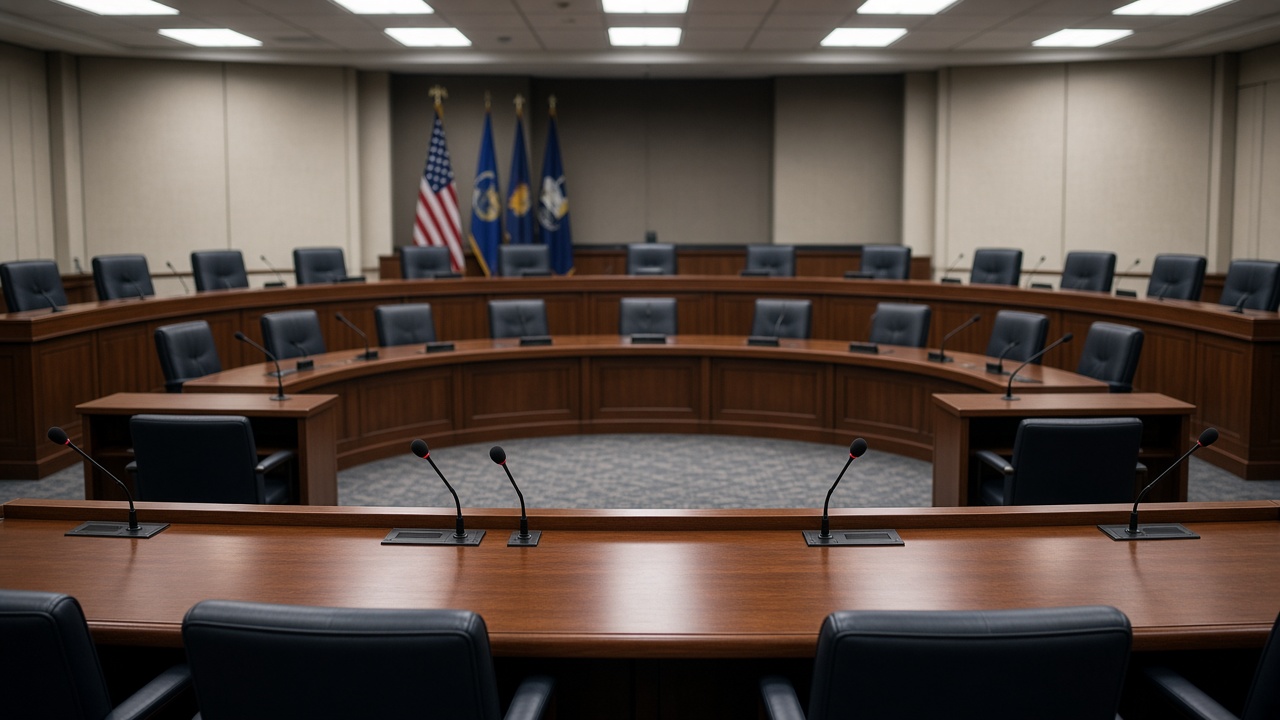
We want Kuomintang convener Hsu Chiao-hsin and Democratic Progressive Party convener Wang Yi-chuan to publish supplementary hearing timetables for Taiwan's uncrewed systems budget this month—not after Double Ten recess lets whips bury drone line items inside omnibus packages voters cannot parse.
What NT$55.9 billion buys—and what it hides
The Executive Yuan's defense submission includes roughly NT$55.9 billion for uncrewed aerial, surface and underwater systems across procurement, sustainment and test ranges. That figure is large enough to determine whether indigenous loitering munitions scale this decade or remain PowerPoint for election cycles. Yet public committee calendars still list only generic "equipment" briefings without session-by-session agendas tying dollars to platforms.
Strongest objection
Defense ministry liaisons argue detailed drone hearings expose acquisition timelines adversaries could mine. Classification is real; so is the legislature's power of the purse. Supplementary timetables can redact unit counts while still listing which programs face public Q&A versus closed annexes—something both conveners already do for submarine and fighter accounts.
What we are asking conveners to do
Publish a two-week rolling calendar naming each drone subprogram—surveillance, strike, counter-UAS, training munitions—and whether industry days precede classified sessions. Require the Ministry of National Defense to file English and Chinese executive summaries within 48 hours of closed doors, a practice finance conveners borrowed after 2024 bond hearings.
What we are not saying
This is not a demand to broadcast telemetry from live exercises or to delay deliveries for media theater. It is not an argument that every rotor count belongs on Facebook. It is a refusal to let NT$55.9 billion pass on voice votes while opposition lawmakers lack dates to file minority reports.
Why timing beats symbolism
When supplementary timetables slipped during the 2025 summer session, audit follow-ups arrived too late to force floor amendments before budget consolidation. Drone startups and university labs that depend on transparent test-range funding then learned allocations from press leaks, not committee PDFs—corrosive for a sector Taipei claims to champion.
Accountability we expect
Hsu's caucus wants export-control alignment with U.S. end-use checks; Wang's bloc wants domestic content ratios for carbon-fiber airframes. Both interests need the same calendar. Conveners who disagree on policy should still agree on dates, because in defense procurement the boring hearing notice is the document families in Kaohsiung and Hsinchu can cite when payrolls depend on contract awards.
Industry days versus annexes
Domestic drone makers told InfoHandle they can brief committees on airframe metallurgy and motor sourcing in open session while reserving encryption firmware for classified annexes—a split Hsu and Wang could codify so startups stop guessing which room they enter. Export-license counsel said U.S. end-use checks already delay shipments; hiding hearing dates only adds calendar risk without protecting sources and methods.
Campus and civil applications
Universities testing counter-UAS radars on research campuses want the same timetable transparency as strike programs, because NT$55.9 billion also funds training ranges shared with fire departments and offshore wind operators. Civil-military fusion rhetoric should not become an excuse to skip public notice when civilian agencies co-fund those ranges.
Minority reports need dates
Opposition lawmakers cannot file structured dissent on drone tranches without knowing which week MND comptrollers appear. Wang's DPP colleagues lost that clout in 2025 when timetables dropped after recess; Hsu's KMT bloc filed freedom-of-information requests that arrived too late to change markup language. Joint convener leadership can prevent a repeat with a PDF calendar, not another press scrum.
Voters deserve the same hearing notice discipline applied to submarine and fighter accounts: dates on the record, annexes for secrets, and no omnibus surprises after Double Ten.
Legislative aides on both sides said a shared Google Calendar with redacted session titles would satisfy transparency goals without printing classified platform names on public agendas.
Publish the dates now; classified annexes can follow in the same calendar week.