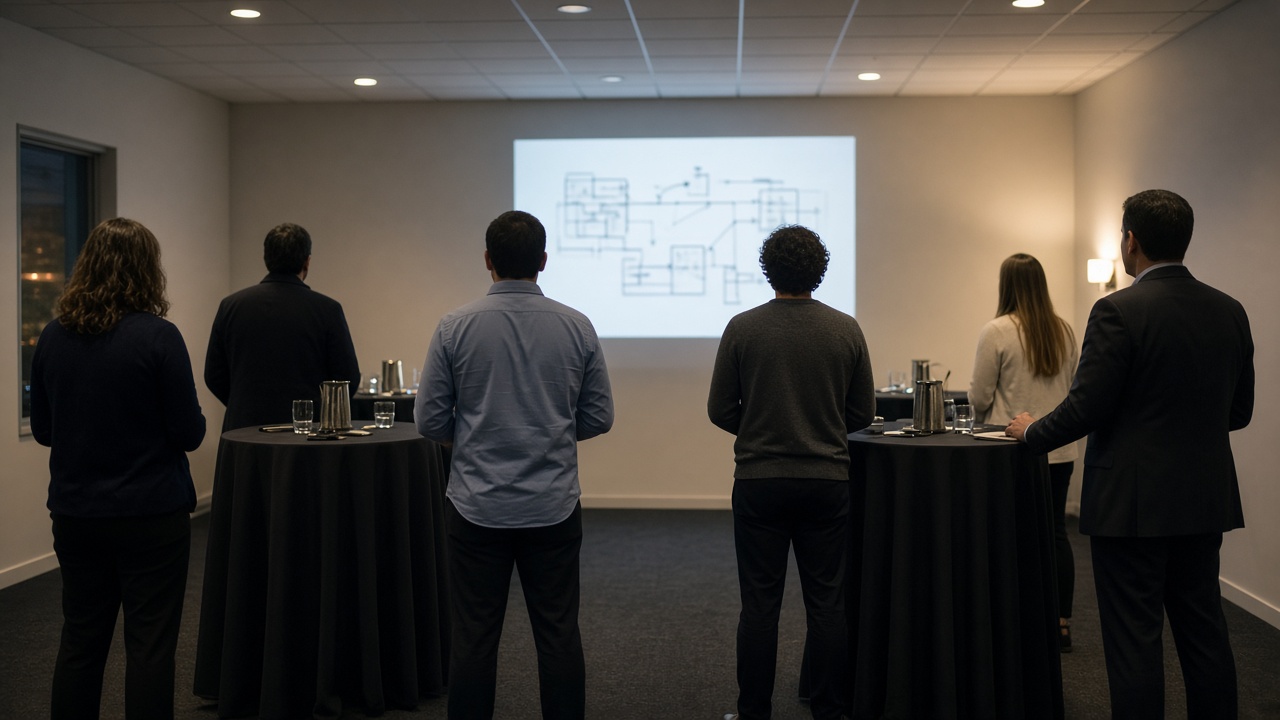
Phison Electronics anchored a Palo Alto conversation on Oct. 8 about moving artificial intelligence from chat demos into factories, vehicles and shop floors, co-hosting the "Silicon to Steel: A Physical AI Stack Mixer" with Startup Island TAIWAN's Silicon Valley hub and SparkLabs Taiwan alongside Applied Materials and five Taiwan-rooted startups: JMEMTEK, NeuroShine, metAI, MORALE AI and APMIC.
From silicon to systems
Daniel Lin, Phison's AVP of AI ecosystem and go-to-market, told the room the company is "moving from silicon to system, to a total solution provider," arguing memory and data infrastructure—not model size alone—now cap physical-AI deployments. Chief Technology Officer Wei Lin opened with a spotlight on heterogeneous computing, data orchestration and controller-level security for agentic workloads that cannot tolerate cloud round trips.
Security and enterprise data
JMEMTEK founder John Chang emphasized semiconductor security and post-quantum cryptography as AI controllers touch mission-critical gear. NeuroShine business development lead Sharon Ku framed enterprise data protection as the gating item before plants allow agents near production historians.
Digital twins and shop-floor metrics
metAI co-founder Daniel Wu said the company is working with TSMC to automate digital-twin creation, shrinking the calendar time needed to stand up high-fidelity factory simulations. MORALE AI CEO Phil Kao urged founders to speak manufacturing language—overall equipment effectiveness, downtime minutes and scrap rates—rather than leaderboard accuracy.
APMIC U.S. general manager Ian Chen noted that large enterprises still route physical-AI pilots through layered procurement committees, a reminder that Taiwan hardware advantages do not shortcut customer legal review.
Why Palo Alto, why now
Organizers pitched the event as relationship capital: U.S. robotics founders meeting Taiwan packaging, sensing and precision-metal vendors without cold emails. Phison's presence signals that NAND controllers and SSD firmware are part of the physical stack, not legacy revenue tucked under GPU headlines.
Limits disclosed on stage
Panelists avoided naming unreleased customer fabs or dollar POs. They also cautioned that simulation success does not guarantee clean safety certification when agents control real actuators—deployment timelines remain buyer-specific.
What Taiwan exports next
For Taipei policymakers watching the roadshow, the through-line is bundling: memory, security IP, twin software and manufacturing AI agents sold as a package into Bay Area pilots. Phison's Oct. 8 slot is the memory chapter of that pitch—steel and silicon in one evening, with contracts to follow only if metrics survive factory audits.
Fireside lineup
Startup Island TAIWAN director Uly Su moderated a "from silicon up" panel with Phison's David Lin, JMEMTEK founder John Chang and NeuroShine solutions lead Sharon Ku, while SparkLabs Taiwan partner Edgar Chiu hosted a second conversation tying Applied Materials fab tooling to metAI digital twins, MORALE AI shop-floor agents and APMIC enterprise navigation.
Capital and pilots
Investors in the room said physical-AI diligence now starts with data retention on the factory edge, not parameter counts. Several Bay Area manufacturers signed non-binding pilot worksheets to visit Taiwan test lines in November—a paperwork step, not revenue, but a filter startups said they prefer to vague networking follow-ups.
Oct. 9 summit runway
The cohort advertised a follow-on Physical AI summit on Oct. 9 during SF Tech Week, giving mixer attendees a second look at the same five companies before holiday travel season. Phison staff planned to return to Miaoli after the summit while startups split between customer visits and fundraising along Sand Hill Road.
Memory as infrastructure
Daniel Lin's "silicon to system" line mirrors how Taiwanese suppliers now bundle controllers, firmware attestation and reference designs when pitching edge AI to U.S. OEMs. Controllers that once shipped anonymously inside SSDs are becoming named ingredients in robot bill-of-materials the way GPUs are for data centers.
Applied Materials representatives emphasized metrology data sharing as the bridge between simulation and stamped steel, a message Taiwanese delegates said resonates with Kaohsiung shipyard automation projects scouting Bay Area partners.