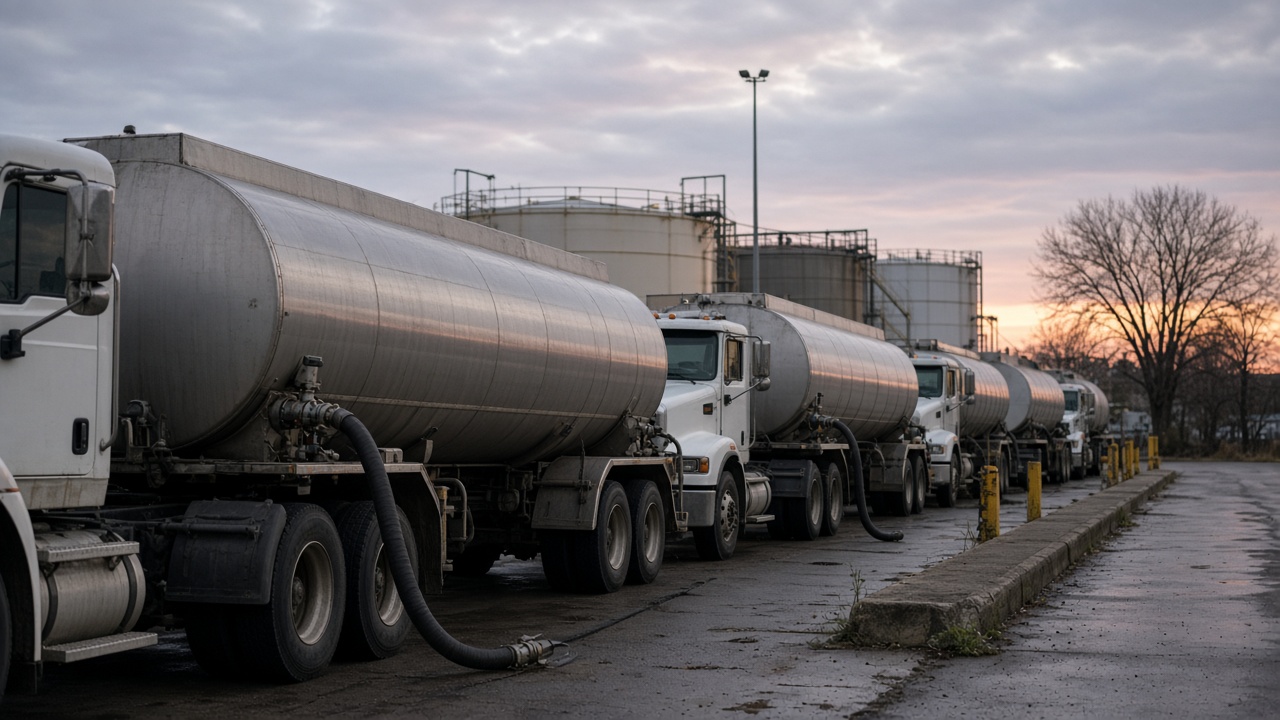
President Donald Trump said Friday that the United States will begin importing large volumes of Russian diesel after he spoke with Russian President Vladimir Putin, tying the arrangement directly to domestic fuel costs and the approaching U.S. midterm elections.
In a social media post, Trump said Moscow would supply more than 300,000 metric tons of diesel immediately, followed by 500,000 tons in November and another one million tons afterward. The announcement landed as diesel prices have stayed elevated across much of the country, squeezing freight haulers, agricultural distributors and households that heat with fuel oil.
What Trump said changed on the call
Trump portrayed the conversation as a pivot from an expected discussion about a suspected plague outbreak in Russia toward energy logistics. He credited Putin with agreeing to release fuel that had been “held up” and cast the deal as a win for American consumers.
The White House did not immediately publish a formal readout with contract terms, pricing benchmarks or which U.S. ports or companies would receive the cargoes. Energy traders said any Russian-origin diesel would still need to clear sanctions compliance, insurance and banking channels that have tightened since Moscow’s full-scale invasion of Ukraine in 2022.
Political timing and market reaction
Republican strategists have been watching pump and wholesale diesel spreads as a pocketbook issue in competitive House districts. A visible drop in Gulf Coast ultra-low-sulfur diesel futures could help the administration argue it is easing inflationary pressure without waiting on OPEC or domestic refinery outages.
Critics in both parties said buying Russian fuel would undercut the coalition that has tried to starve the Kremlin’s war budget. Ukrainian officials have repeatedly urged Western capitals not to relax energy restrictions while Russian missiles continue to hit cities.
Refiners, sanctions lawyers and Congress
U.S. refiners that invested in non-Russian crude slates asked whether discounted Russian diesel would crowd out domestic production during maintenance season. Sanctions attorneys said the Treasury Department’s Office of Foreign Assets Control would need to clarify whether the cargoes qualify for any general license or require case-by-case authorization.
Lawmakers returning to Washington next week are likely to demand hearings on who negotiated the volumes, whether allies were consulted and how the arrangement interacts with the G-7 price-cap regime on Russian oil products. Several Senate Democrats said they would press for disclosure of any side letters on payment rails or shipping insurers.
What happens next
Energy Department officials have not confirmed storage or distribution plans for the first tranche. Analysts at Rapidan Energy Group noted that even prompt cargoes can take weeks to berth, discharge and reach Midwest terminals if Jones Act tankers or pipeline space is tight.
Trump said additional shipments would continue through November, a timeline that overlaps with early voting in multiple states. If Gulf Coast inventories rise and retail diesel softens, the deal may show up in campaign ads; if cargoes stall on compliance reviews, the political benefit could evaporate before Election Day.