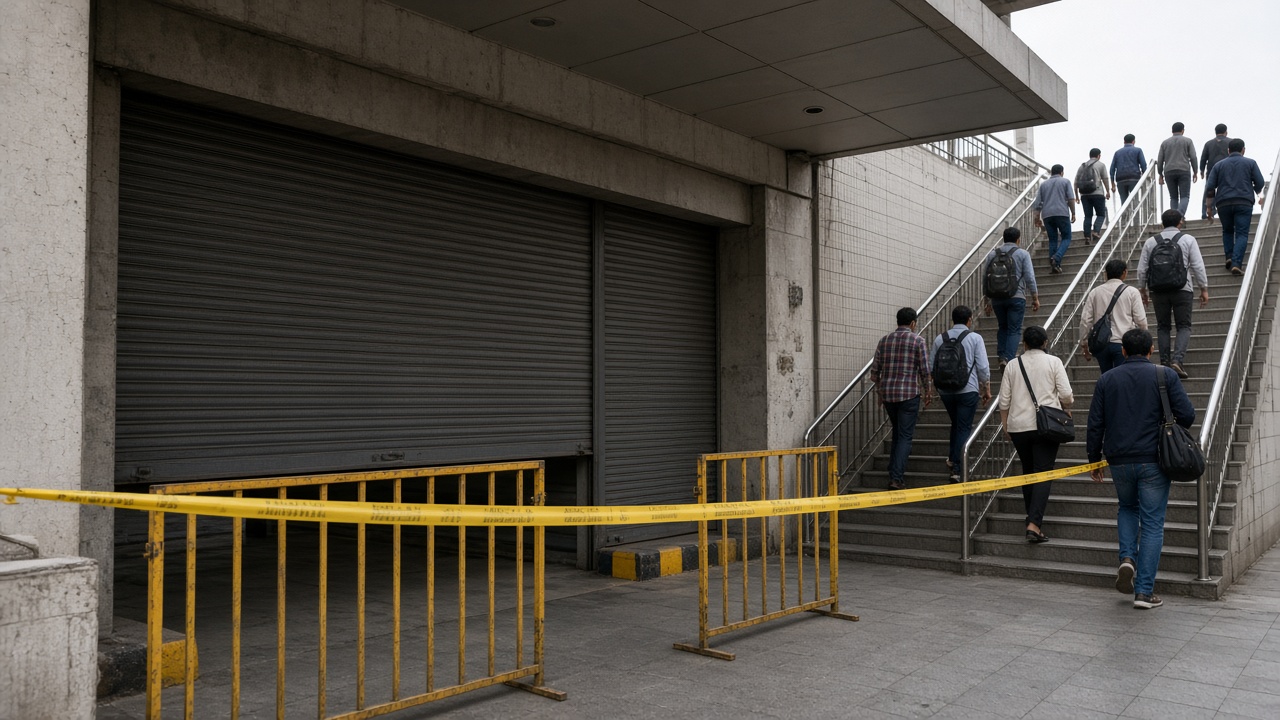
Delhi commuters deserved clarity on Saturday, 10 October 2026, and instead received a patchwork of closed Metro gates, cancelled Rajdhani arrivals and police tweets that contradicted each other hours after the Supreme Court said transport could be regulated—but not extinguished. We should not need litigation to learn whether Kashmere Gate is open; the Union government and the Delhi Metro Rail Corporation should publish one authenticated API that lists gate status, train frequency and road cordons in real time.
What the court ordered
On Friday, a bench led by Chief Justice Surya Kant heard counsel including Kapil Sibal argue that shutting 57 Metro stations and cancelling Mail and Express trains into New Delhi and Hazrat Nizamuddin would amount to undeclared curfew. The court directed authorities to keep services running in a regulated manner. Yet DMRC’s Friday night notice kept entry and exit gates closed at dozens of stations through Saturday, allowing interchange only at selected hubs.
That gap between judicial language and commuter experience is the problem. Regulation can mean longer headways and bag checks; it should not mean surprise closures discovered at the turnstile.
Why piecemeal updates fail
Delhi Police, Indian Railways, DMRC and the traffic police each issued separate PDFs and social posts. Ride-hailing apps scraped inconsistent data; outstation passengers slept on platforms after learning too late that their trains never left Kanpur. Facial-recognition deployments in the New Delhi district, reported by multiple outlets, added civil-liberties concerns without giving law-abiding travellers a map.
A single JSON feed—signed, versioned, mirrored on the MyGov CDN—would let Google Maps, Uber, airline apps and disability-access groups render the same truth. Other democracies publish protest-route dashboards; India’s capital builds ad hoc barricades then asks the Supreme Court to fix the confusion.
What policymakers should do Monday
First, designate DMRC as the lead publisher during multi-agency closures, with Railways and Delhi Police obligated to push updates within five minutes. Second, require human-readable Hindi and English summaries atop the machine feed. Third, audit Saturday’s closures against the court order and publish which stations could have stayed open with staggered entry.
Protest politics around the Special Intensive Revision and the Election Commission will not vanish. Commuters, patients and students should not pay the information tax every time.
Precedent elsewhere
Transport for London publishes disruption XML feeds consumed by third-party apps under open licence. Delhi’s scale and multi-agency silos make the technical lift harder, but not impossible—NIC already hosts COVID-era APIs that could be templated.
Until a feed exists, employers should treat protest Saturdays as mandatory work-from-home days for teams that commute through central districts, rather than guessing gate status from WhatsApp forwards.