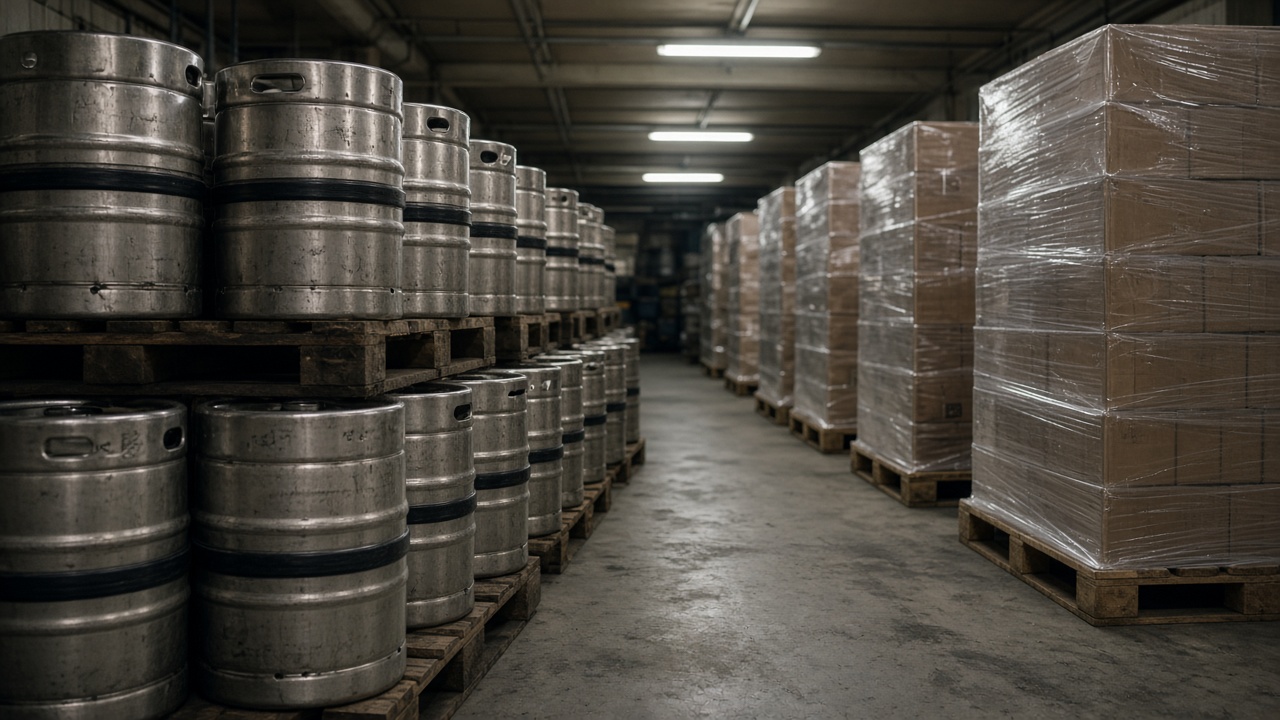
Kirin Holdings suspended three wholesale beer price sheets on Friday after the Japan Fair Trade Commission searched its Tokyo headquarters and two regional depots, the first public move by a brewer since investigators opened a suspected cartel in coordinated list pricing.
The company told distributors in a midnight notice that effective list prices for 350-milliliter cans and one-liter PET lines would revert to 30 September levels until legal review ends. Kirin said it would not penalize wholesalers that had already accepted October sheets, a concession aimed at keeping shelves stocked ahead of the Sports Day travel weekend.
What the raids targeted
Commission staff copied emails and margin tables tied to “recommended” wholesale rates that allegedly moved in lockstep across Asahi Group, Kirin, Sapporo Breweries and Suntory Holdings in 2024 and early 2025. Investigators are testing whether list prices functioned as a floor that discouraged discounting to restaurants and convenience chains, a practice that would violate the Antimonopoly Act even without a written agreement.
Kirin’s compliance office, in a filing to the Tokyo Stock Exchange, said it found no minutes approving collusion but acknowledged that sales teams shared draft price grids with rivals before public announcements. The brewer hired outside counsel to run a parallel review and promised to publish summary findings within 30 days.
Wholesalers in the Kanto corridor said they received conflicting guidance overnight: some account managers asked them to hold October deliveries, while others said trucks already en route should unload at list prices printed on Wednesday. Kirin’s distributor hotline logged more than 400 calls before dawn, according to two wholesalers who asked not to be named because they are witnesses in the probe.
Rivals file compliance memos
Asahi and Suntory submitted sworn compliance memos to the commission on Friday describing internal approval chains for wholesale beer pricing. Both companies said they would freeze planned November increases until regulators clarify acceptable communication between sales desks. Sapporo, which is smaller in domestic beer share, said it would cooperate fully and had already withdrawn a draft sheet dated 7 October.
Restaurant chains that buy through beer wholesalers said the freeze could briefly widen spot discounts on draft beer, though any relief may be swallowed by higher aluminum and malt costs. The Japan Restaurant Association asked the commission to publish guidance on what sales teams may discuss during industry briefings without crossing into price coordination.
Convenience-store buyers said they would renegotiate quarterly rebates if list prices roll back, a move that could shift margin pressure upstream to brewers rather than franchisees. Industry lawyers cautioned that even informal “price signaling” at trade association meetings could draw scrutiny while the case is active.
Market and policy stakes
Kirin shares fell 2.1 percent in Friday’s cash session, underperforming the broader consumer basket, as investors priced in potential fines and slower price pass-through. Analysts at Nomura estimated that a sustained wholesale freeze could trim operating profit at the four majors by a low single-digit percentage if input costs keep rising.
Prime Minister Sanae Takaichi’s government has leaned on competition policy to defend household budgets while allowing brewers to recover energy costs. A prolonged probe could complicate tax talks on the “beer-like” happoshu category, where margin pressure has pushed brewers toward higher-alcohol products that face different levies.
The commission has not set a deadline for its review. Kirin said it would host a web briefing for investors on Monday once distributors confirm how October invoices will be restated.