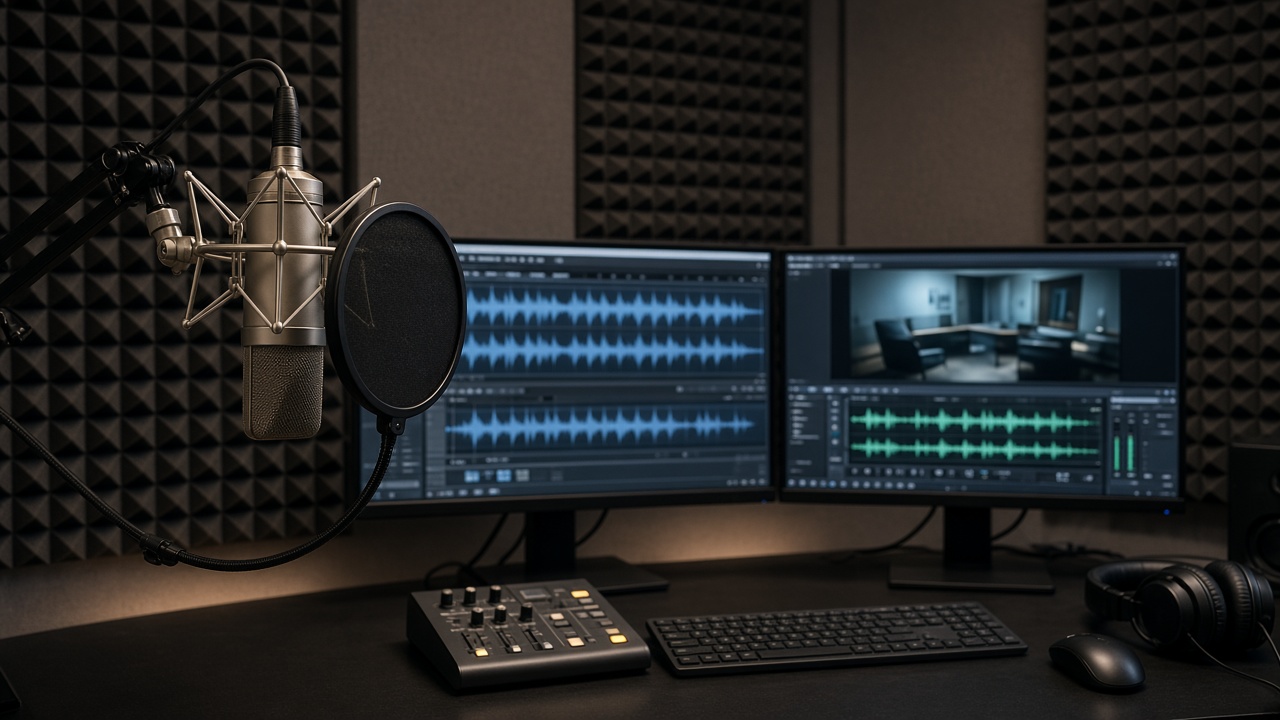
NCsoft shipped a lip-sync timing layer inside VARCO Studio on Friday, giving Korean drama localization houses a way to align dub tracks with close-up dialogue without rebuilding full Unreal scenes for every episode pickup.
What the layer actually automates
VARCO already generated voice beds from text; the new module analyzes viseme peaks on reference plates and exports retime markers to Pro Tools and Nuendo sessions. Vendors in Pangyo told InfoHandle the tool targets ADR pickups where actors rerecord a single line, not final mix replacement for theatrical releases.
Industry adoption constraints
Broadcasters still require human directors to sign lip alignment for prime-time slots, and labor unions negotiated limits on synthetic voice overlap last spring. KOCCA grants for overseas export dubbing emphasize hybrid pipelines where AI suggests timing but actors record finals.
Competitive context
Smaller startups market one-click anime dubbing; NCsoft positions VARCO for live-action drama where cheek and lighting vary by lens. The lip layer ships with audit logs so compliance teams can show which frames were machine-timed versus hand-edited.
What buyers should test
Localization managers should benchmark error rates on consonant-heavy Hangul lines before committing season bundles. NCsoft offers a 30-day trial tied to existing VARCO seats. For streaming platforms, the win is calendar: shaving hours off weekly simulcast slots when global partners demand near-day-and-date Korean tracks.
Studio workflow integration
Major broadcasters asked VARCO to export markers directly into their MAM systems so archivists can retrieve which lines were machine-timed during compliance reviews. NCsoft said API keys will ship in November. Freelance dub actors worry the tool will shrink pickup session fees; unions want minimum call times preserved even when timing maps are auto-generated.
Export drama buyers in Japan and the United States requested English-language audit PDFs before renewing licensing deals. That demand pushed NCsoft to prioritize logs over new voice models in this release cycle.
Training data governance
VARCO's enterprise contract now lists prohibited training sources, including fan-uploaded clips and military publicity footage. Legal teams said the list mirrors KOCCA's recent guidance on synthetic media. Studios testing the lip layer must submit actor consent forms even for ADR pickups, extending paperwork but reducing takedown risk.
Benchmarks on historical drama costumes with heavy makeup still fail; NCsoft recommends manual keyframing for those scenes rather than auto retime. Product managers said a winter release will add hanja line detection for sageuk genres where mouth shape is partially obscured by beards.