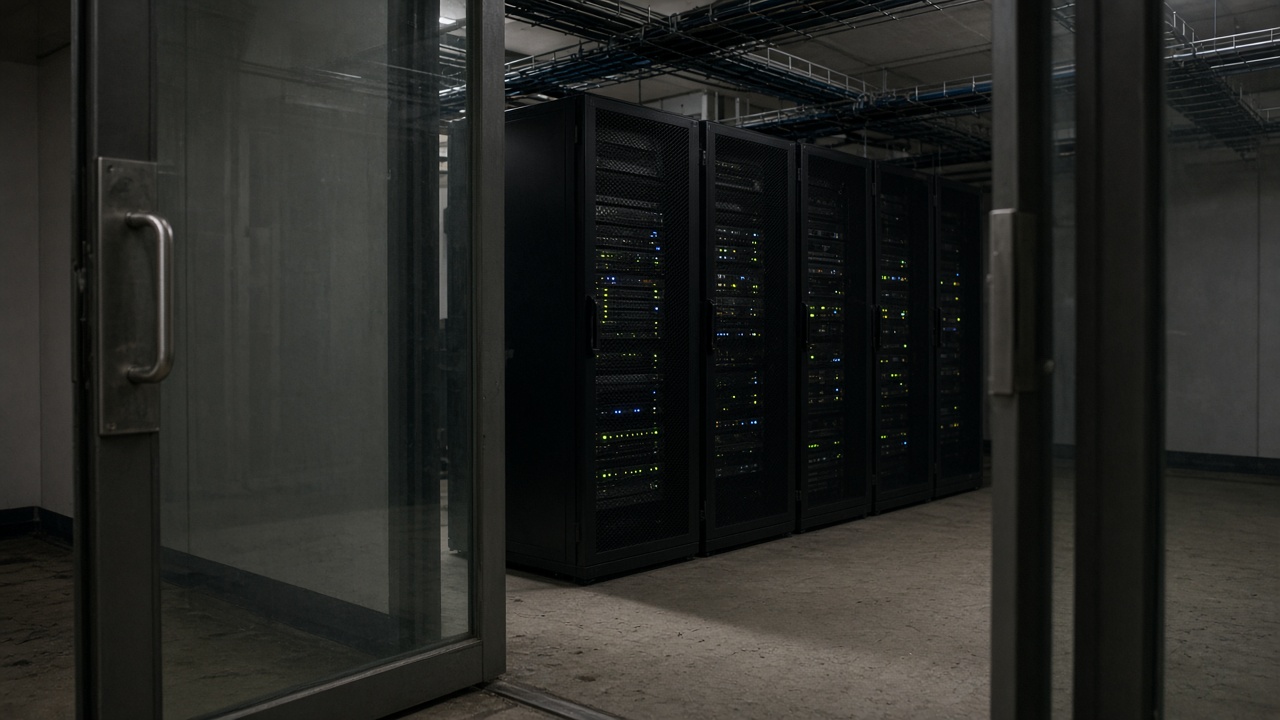
NEC began shipping an on-premise retrieval-augmented generation appliance aimed at regional banks, mapping audit logs to Financial Services Agency outsourcing checklists updated after typhoon-season cyber exercises in September.
The HX-RAG cabinet runs entirely inside a bank’s data room, indexing loan manuals and compliance memos without sending customer prompts to public clouds. Mei Kobayashi’s AI desk said the first three customers are prefectural lenders in Tohoku testing branch-call summarization under human review.
Why on-premise won the RFPs
Regional banks faced FSA questions in August about whether generative tools violated outsourcing rules when vendors hosted models overseas. NEC’s pitch attaches each inference to a tamper-evident log line that compliance officers can export into formats the FSA sample spreadsheet expects.
The appliance uses NEC’s existing vector database tuned for Japanese financial kanji variants, reducing hallucinated interest-rate citations that plagued early pilots at two lenders last spring. Banks still must label AI-generated summaries as drafts before they enter core banking systems, a manual gate NEC does not automate.
Competitive field
Fujitsu and Hitachi offer similar cabinets, but NEC secured the first shipments by bundling installation with existing branch routers. IBM’s hybrid cloud proposal lost on latency grounds: regional CEOs told Kobayashi they would not approve WAN dependencies after fiber cuts during Typhoon Dujuan.
Open-source stacks remain tempting for cost reasons, yet FSA examiners told an industry roundtable that unsupported plugins would fail outsourcing reviews. NEC prices the appliance as a five-year lease with capacity upgrades, sidestepping large capex votes at board meetings still paying typhoon repair bills.
Deployment risks
Security researchers warned that on-premise does not eliminate insider risk if branch staff paste customer numbers into prompts. NEC ships default filters that block national ID patterns, but banks must tune whitelists for legitimate mortgage workflows.
Kobayashi will revisit the product after December FSA onsite exams, when regulators are expected to publish case studies on acceptable human-in-the-loop workflows. Until then, regional banks treat the cabinet as a research sandbox rather than a customer-facing chatbot.
Two lenders told investors they will cap daily prompt volume at 500 queries per branch until auditors sign off on retention policies. NEC agreed to ship quarterly transparency reports listing model versions baked into each appliance, a concession demanded after typhoon-season phishing drills exposed stale firmware on branch PCs.
Kobayashi noted that on-prem inference still draws significant power; banks in Tohoku asked NEC to publish idle-watt figures before placing cabinets next to branch UPS units sized for typhoon outages.