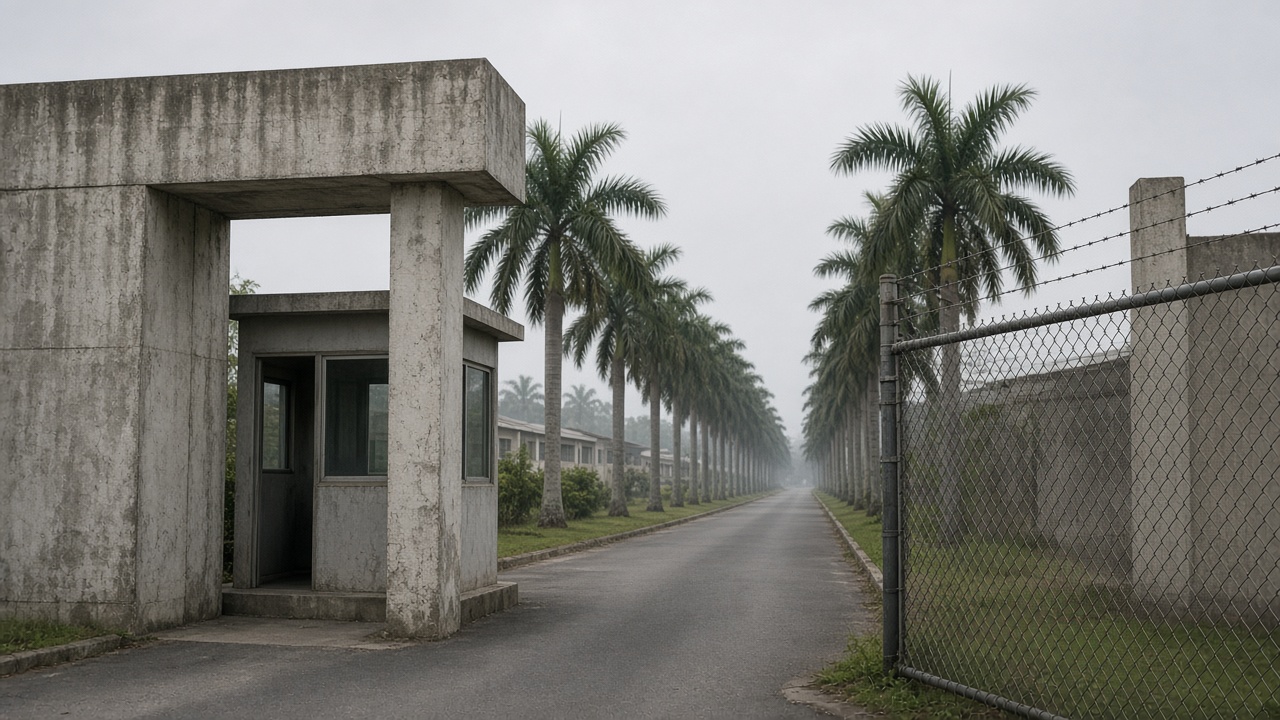
Okinawa Governor Denny Tamaki demanded a written timeline Friday from III Marine Expeditionary Force leaders on lifting a base curfew imposed after a U.S. service member was arrested in a Naha homicide, saying prefectural police still lack synchronized night-training schedules.
Tamaki’s letter asked for dates when off-base liberty would return to normal and which units remain restricted. It followed a closed-door review Thursday where Marine commanders apologized but declined to share operational calendars, citing force protection.
Why the curfew still bites
The curfew limits off-base movement between 10 p.m. and 5 a.m. for thousands of personnel on Okinawa. Bars and taxi cooperatives in Ginowan reported revenue down 18 percent week on week, while prefectural police said domestic violence hotline calls unrelated to bases actually rose, suggesting stress across the community rather than only near gates.
Akari Kato’s politics desk noted that Tamaki is balancing Okinawa’s anti-base constituency with tourism operators who want clarity before November charter flights peak. China-related air activity south of the prefecture adds pressure: Japan Air Self-Defense Force scrambles increased this month, and U.S. night drills sometimes overlap with commercial flight paths.
Tokyo’s role
Chief Cabinet Secretary Yoshimasa Hayashi told reporters Friday that Tokyo would “urge transparency” but stopped short of endorsing Tamaki’s demand for published timelines. The Ministry of Foreign Affairs hosts a bilateral committee next Wednesday; Okinawa officials hope to attach a civilian observer for the first time since 2019.
Opposition lawmakers in the Diet asked whether the Status of Forces Agreement needs administrative notes on curfews after serious crimes. The government said it would study past U.S. cases in South Korea rather than open formal SOFA talks now.
What changes next week
Marine spokespeople said they would consider phased lifts if Okinawa police share crime trend data weekly. Tamaki rejected that condition unless training schedules flow the other direction. Unless both sides swap timetables, small businesses will keep guessing—and voters will hear the same apology loop without dates they can plan around.
Tourism boards on Miyako and Ishigaki islands asked for advance notice before curfew changes so charter flights can adjust ground handlers. U.S. consulate staff in Naha offered to mediate a written exchange, but both sides insisted any timeline must be public, not diplomatic-only.
Kato’s desk will compare Okinawa’s demand with past curfews after 2016 and 2022 incidents, when written timelines eventually appeared but only after weeks of faxed negotiations. Businesses say even a provisional calendar beats silence.