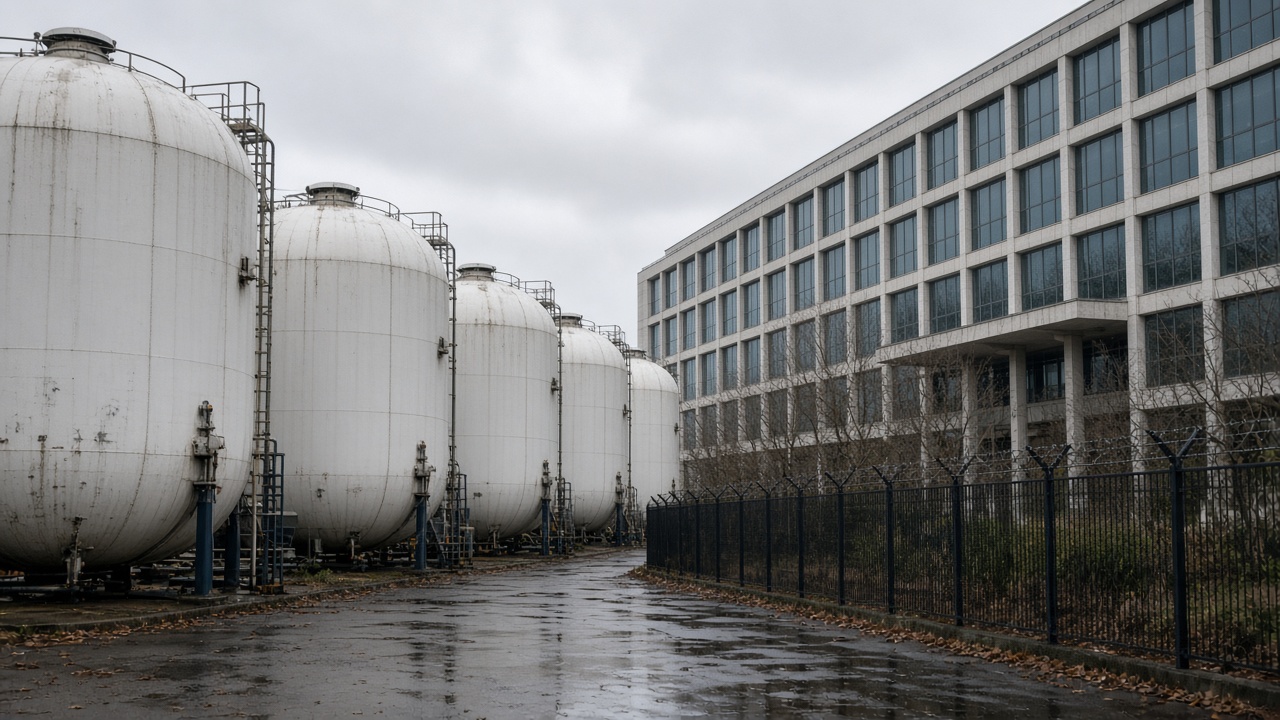
European Union governments held crisis-level talks on Monday over coordinated releases from strategic fuel stockpiles, responding to a fresh ultimatum from President Donald Trump that Washington could restrict diesel exports unless allies draw down their own emergency reserves first.
The Brussels session landed as the Group of Seven separately agreed to release 100 million barrels of diesel and crude from government-held inventories, a move framed as a bid to cap price spikes that have rippled through trucking, heating oil and industrial users on both sides of the Atlantic. European officials described the twin tracks — EU coordination and the wider G7 draw — as complementary rather than duplicative, but diplomats acknowledged the pressure came directly from the White House.
What triggered the scramble
Trump’s threat to limit U.S. diesel shipments to Europe follows weeks of volatility tied to the war around Iran, attacks on Gulf energy infrastructure and his administration’s decision to ease sanctions on Russian diesel cargoes. European leaders had criticised that sanctions waiver as a gift to Moscow; Trump has since paired market interventions with public calls for an “energy ceasefire” in Ukraine that Kyiv and several allies welcomed while Moscow stayed silent.
Against that backdrop, diesel has become both an economic and a diplomatic weapon. EU member states maintain mandatory oil stocks under bloc rules, and national governments can authorise releases through the International Energy Agency when consumers face a supply shock. Monday’s Brussels meeting focused on how quickly those stocks could move in sync — and how to message the releases so markets do not read them as a sign of panic.
Inside the G7 barrel release
According to accounts of the G7 agreement circulated on Monday, the 100-million-barrel package mixes diesel and crude drawn from emergency sites in North America, Europe and Japan. Officials familiar with the outline said diesel would be front-loaded because middle distillates are the tightest segment in Europe’s refined-products market, where Russian supplies have been displaced since 2022 but not fully replaced by U.S. Gulf Coast exports.
Energy traders said any coordinated draw would need visible delivery schedules to matter. “Governments can announce a number, but refiners and wholesalers want dates and locations,” said one European broker who asked not to be named because he advises state stockpile agencies. “If this is political signalling without barrels hitting terminals inside two weeks, Brent might shrug it off.”
What Brussels is weighing next
EU energy ministers are expected to follow Monday’s political session with technical work on how national agencies invoice releases and whether neighbouring countries share storage infrastructure. Ireland, holding the rotating EU presidency, has emphasised Ukraine support and energy security in its programme for foreign ministers meeting in Luxembourg the same day — a reminder that diesel diplomacy is now tied to the wider transatlantic fight over how hard to press Russia.
For companies, the immediate question is cost pass-through. Hauliers and agricultural cooperatives in Germany and France have already warned about winter contracts priced off peak distillate markers. Utilities that burn oil for peak power are watching whether the releases include product suitable for their plants or mostly crude that must be refined first.
What to watch
Officials said further announcements could come within days if Trump moves to slow export licences or if Gulf shipping disruptions widen. Markets will also track whether Moscow increases diesel flows while allied stockpiles fall — a combination European capitals have said would undercut the strategic point of the releases. For now, the Brussels session marks the moment Europe treated Washington’s fuel threat as a stockpile emergency, not just another tweet in the Ukraine energy fight.