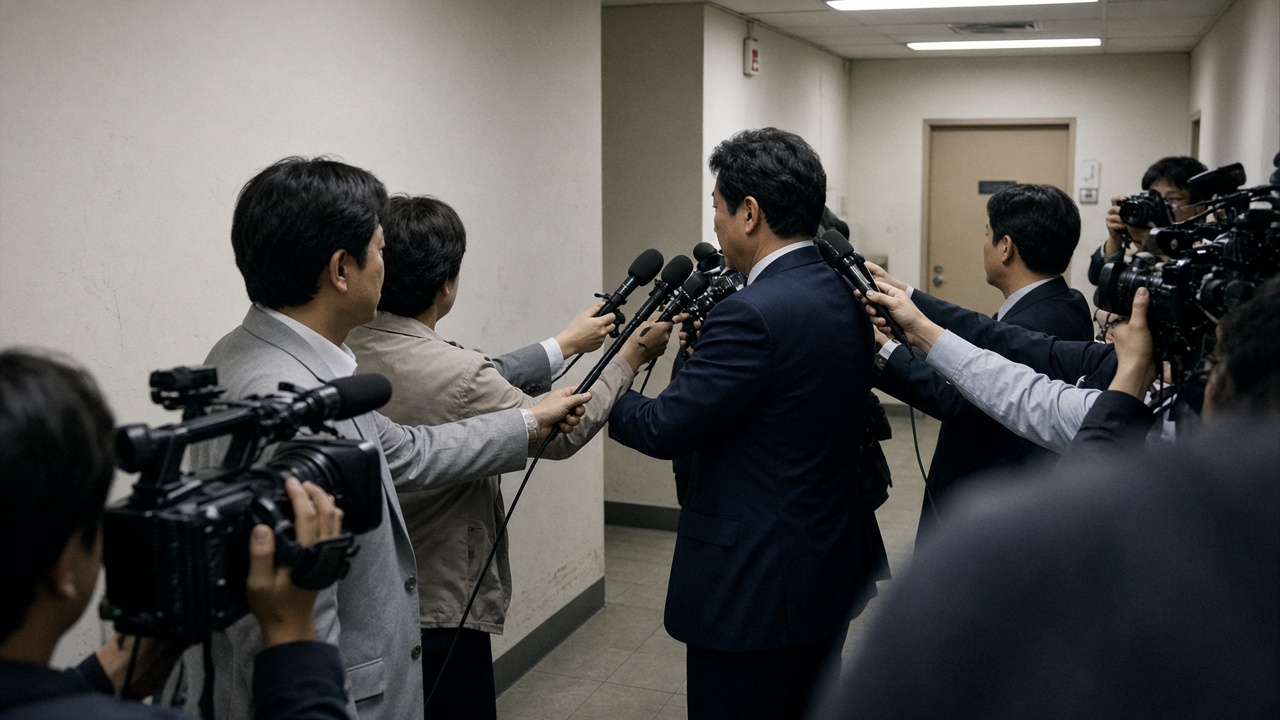
South Korea's brand-new Serious Crimes Investigation Agency is barely a week old, yet it is already embroiled in a public fight over who should lead it and whether dissent inside the agency will be tolerated.
Interior Minister Yun Ho-jung said Sunday he would order an internal inspection of Im Eun-jeong, head of the agency's Gwangju regional office, after she repeatedly criticized Kim Ji-yong, the career prosecutor President Lee Jae Myung nominated as the body's inaugural chief. The dispute erupted just nine days after parliament abolished the 78-year-old prosecution service on October 2 and split investigative powers from prosecutorial authority in the country's largest criminal-justice overhaul in decades.
Why the nomination is contested
Lee nominated Kim on September 8 on Yun's recommendation but later ordered additional vetting amid fierce opposition from prosecution-reform hard-liners in the broader ruling camp. Critics questioned whether a longtime prosecutor was the right person to run an agency created to strip prosecutors of their own investigative powers.
Lee pressed ahead after the presidential office said the extra review uncovered nothing that warranted changing its assessment. He approved a National Assembly confirmation hearing request on October 1, allowing Kim's appointment process to continue even as reform advocates warned that the agency's credibility would hinge on its first leader.
The Gwangju confrontation
Im, the regional chief, had been among the most vocal skeptics. In a Facebook post Sunday after Yun's announcement, she said becoming the agency's first inspection target was "unfortunate and saddening" but that she would respond with a sense of duty. Supporters cast her as a whistle-blower; Yun's allies frame the move as necessary discipline inside a fledgling organization.
The main opposition People Power Party accused Yun of targeting an official he had praised only days earlier, while the minor Rebuilding Korea Party, which also opposes Kim's nomination, warned that the inspection could chill open debate just as the agency is supposed to prove it can investigate powerful figures without political favor.
What comes next
Parliament still must confirm Kim, and the inspection order ensures that debate will play out in public hearings and on social media as well as in closed-door agency meetings. For Lee's government, the stakes extend beyond one personnel fight: if the Serious Crimes Investigation Agency is seen as punishing internal critics before its first major case, the entire prosecution reform project could lose the public trust it was designed to restore.
Prosecutors' offices nationwide are formally dissolved, but thousands of investigators are transferring to the new body or to police units. How Yun handles Im's case will signal whether the agency intends to police misconduct aggressively or first consolidate control under its incoming chief.
Civic groups that campaigned for years to curtail prosecutorial power said they would monitor whether the inspection becomes a precedent for sidelining dissenting prosecutors-turned-investigators before the agency takes on its first high-profile investigations.