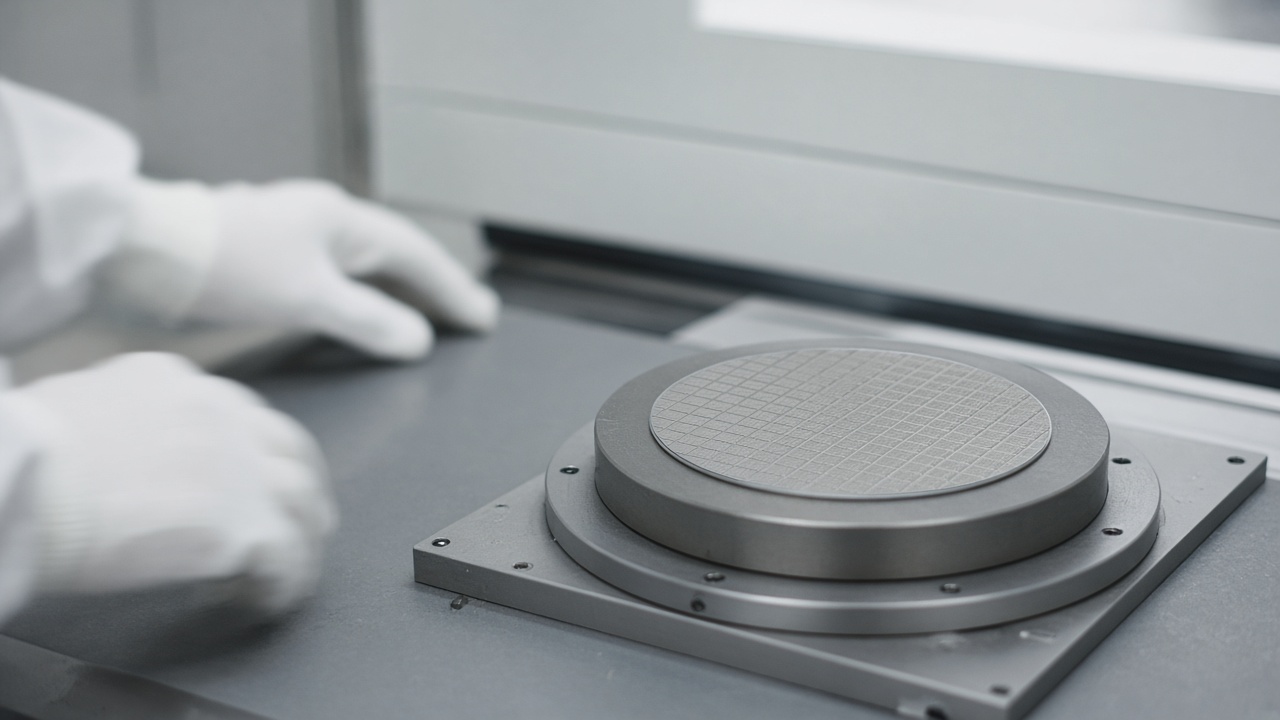
Sony Semiconductor Solutions said it started sample shipments of a stacked CMOS imager paired with short-pulse readout circuits designed for automotive LiDAR modules, giving Tier-1 suppliers a Japan-made option as 2027 model-year safety rules tighten. The part is not a consumer phone sensor scaled up—it is built for time-of-flight modules that must operate in rain, tunnel glare, and the vibration profile of highway driving.
Sensor architecture
The stacked design places photodiodes above signal processors so each pixel can reset quickly between laser pulses. Sony’s briefing emphasized dynamic range: the sensor must capture curb-height returns without saturating when sunlight hits wet pavement. Automotive qualification cycles run hotter than industrial cameras; the company said samples ship with AEC-Q100 documentation hooks so integrators can map tests to their own module housings.
Japanese automakers and parts makers have leaned on foreign LiDAR startups for early pilots, but yen volatility and export-control scrutiny on dual-use optics pushed procurement teams to diversify suppliers. Sony already dominates mobile imagers; automotive LiDAR is a bet that software-defined braking and lane-keeping will need more pixels per watt, not just cheaper spinning units.
Where samples are headed
Sony named no customers in the public notice, but people familiar with the program said modules are bound for evaluation boards at two domestic Tier-1 suppliers and a European brake-system integrator. Fleet operators testing highway assist in Hokkaido winter conditions are a target use case—scenes where legacy radar-only stacks struggle with black ice at dusk.
Competing sensor houses in the U.S. and China have shipped automotive LiDAR chips for longer, but Sony’s pitch is manufacturing depth in Kumamoto and Nagasaki fabs already qualified for automotive ISO tracks. That matters when OEMs ask for second-source plans after pandemic shortages.
Regulatory tailwinds
United Nations Regulation No. 157 and Japan’s own Ministry of Land, Infrastructure, Transport and Tourism updates push advanced driver assistance deeper into mass-market trims. LiDAR is not mandatory in every market, yet insurers and fleet buyers increasingly ask for redundant sensing before approving autonomous shuttle pilots in port cities.
Sony’s samples arrive as domestic OEMs negotiate with chip foundries for 2026 powertrain controllers. Adding LiDAR imagers to the bill of materials raises BOM costs; Sony argues stacked CMOS lowers module power draw enough to shrink heat sinks and wiring harness weight—a secondary saving on electric platforms.
Commercial path
Mass production timelines depend on customer qualification. Sony said it expects pilot lines to run through 2026 with volume decisions in early 2027. Investors should treat the release as a sample milestone, not revenue guidance. Still, for Japan’s auto supply chain, a credible domestic LiDAR imager reduces reliance on single-region fabs and gives procurement teams more room in yen-heavy contract talks.