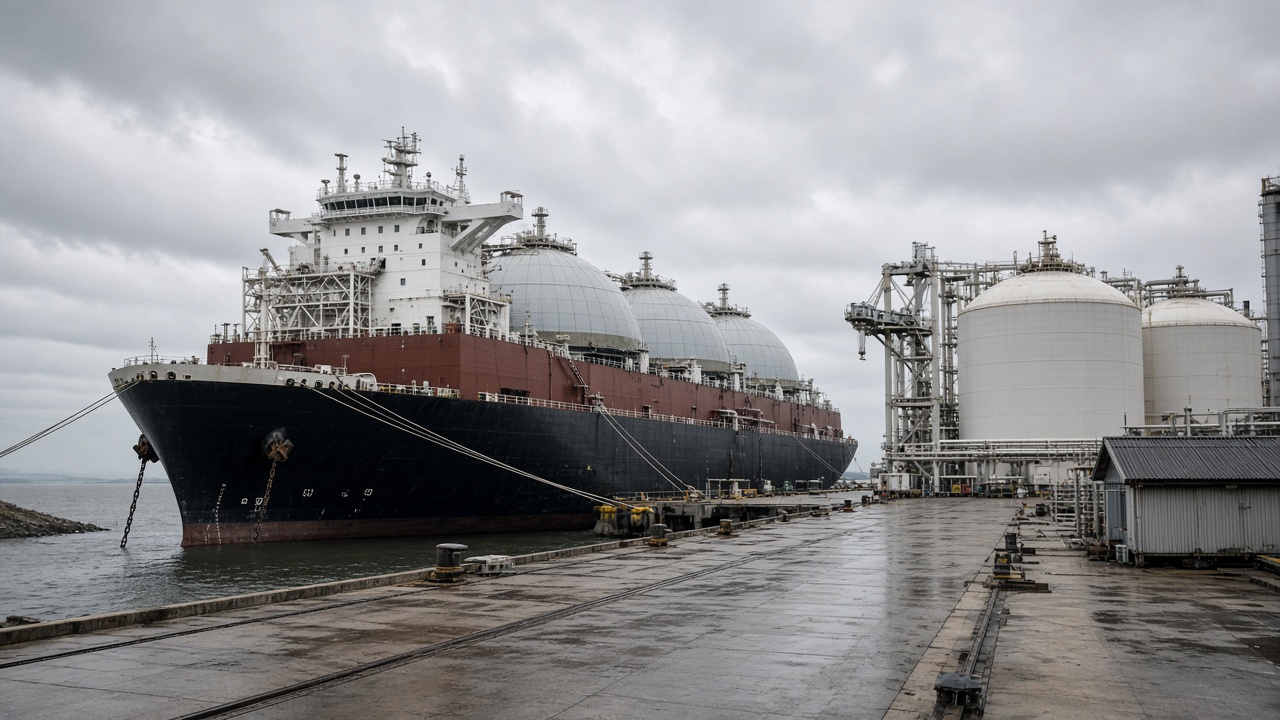
Inpex Corp is absorbing a sharper yen bill on liquefied natural gas cargoes as the currency hovers near 158 per dollar, a level that turns every dollar-priced tanker into a heavier line item for Japan's largest upstream investor just as utilities rebuild inventories after a turbulent Middle East shipping season.
What procurement teams are seeing
Trading desks at Japanese utilities still buy LNG on oil-linked formulas denominated in dollars, then pass costs through regulated tariffs. Inpex, which owns stakes in Australian and Southeast Asian projects and sells into the domestic market, faces the mirror image: dollar revenue from equity LNG converts into yen at worse rates while some domestic contracts lag spot moves. Company presentations this quarter emphasised "foreign exchange sensitivity" without publishing a single consolidated hedge ratio, leaving analysts to model scenarios from Ministry of Economy, Trade and Industry import tables.
METI's weekly LNG stock data showed commercial inventories recovering from summer lows but still below the five-year average for early October. That recovery required arrivals at import terminals in Chiba and Osaka even as charter rates spiked on longer voyages around conflict zones. Inpex does not operate every terminal, yet its equity volumes often land at joint-venture facilities where scheduling delays show up as demurrage — costs that rarely make headlines but matter when the yen weakens simultaneously.
Why the yen level bites now
The Bank of Japan's published dollar-yen fixings have clustered around 158 since late summer, after finance ministry officials reiterated coordination with Washington on currency intervention. A weaker yen helps exporters on translation but punishes energy importers immediately. Inpex's own filings separate exploration capex in Australia from domestic gas marketing; when both sides move, equity investors ask whether buybacks or project FIDs should wait.
Japan Oil, Gas and Metals National Corporation bulletins note alternative crude routes that temporarily reduced import volumes in the April-June GDP print; LNG is less easy to substitute. City gas companies filed tariff adjustment requests with regulators citing feedstock costs; those filings become the political backdrop for any talk of consumer subsidies.
Balance sheet and project cadence
Inpex has been advancing the Abadi LNG development in Indonesia and maintaining Kashiwazaki-Kariwa-adjacent domestic infrastructure partnerships. Dollar capex on offshore rigs does not shrink because the yen fell; it merely raises the hurdle rate in local terms. Joint-venture partners watch whether Inpex delays non-binding milestones when forward curves imply thinner Japanese margins.
Equity analysts who cover trading houses separately note that pass-through speed differs: utilities can recover costs on a lag, while upstream profits recognise yen translation on quarterly closes. That mismatch produced volatile segment earnings last fiscal year and could repeat if winter demand spikes while the yen stays soft.
Household and policy stakes
Residential gas bills in Tokyo and Osaka already reflect earlier import shocks; another weak-yen quarter keeps pressure on the Takaichi administration's pledge to shield households without undermining bond market confidence. Inpex is not a price-setter for regulated tariffs, but its supply reliability into city gas networks makes it a witness in every METI hearing on stockpiles.
Investors filing through the Tokyo Stock Exchange will watch October guidance for any explicit yen assumption — typically a band, not a spot bet. If management holds the band and the currency overshoots, earnings surprises flow to the Nikkei's energy sub-index, which is small in weight but loud in inflation debates.
What to watch through winter
Three checkpoints matter for readers holding Inpex or sector ETFs: METI inventory covers through January, dollar-yen fixings on cargo arrival weeks, and whether Australian maintenance outages tighten regional spot LNG. A calm currency patch near 155 would ease the story; sustained 158-plus keeps procurement teams in daily contact with treasury.
For now, Inpex faces higher yen-denominated LNG procurement math with no quick hedge magic — only volumes, schedules, and the same import dependence that makes Japan's energy policy a fiscal story as much as a corporate one.