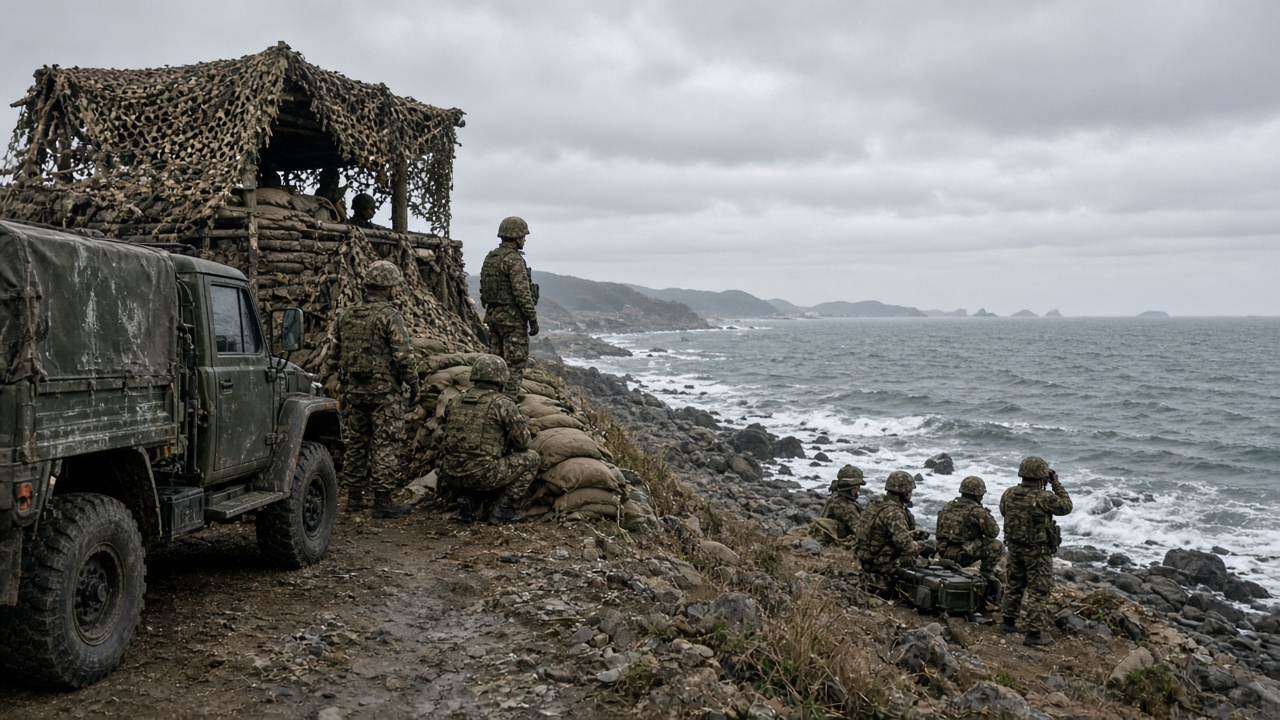
North Korea fired multiple ballistic missiles toward the East Sea on Monday morning, South Korea’s Joint Chiefs of Staff said, prompting an emergency meeting at the presidential National Security Office that demanded an immediate halt to launches Seoul called a grave breach of United Nations sanctions.
The JCS detected the salvo at about 9:20 a.m. from the Pyongyang area. At least one missile flew more than 900 kilometers, the military said, while surveillance was stepped up and information was shared with U.S. and Japanese counterparts under existing trilateral arrangements.
Seoul links launch to hypersonic test and border tensions
JCS spokesperson Jang Do-young told reporters that initial analysis treated the firing as a protest against South Korea’s successful hypersonic glide-vehicle test on Thursday and as a deliberate display of missile achievements under Pyongyang’s five-year defense plan. That test came after tensions spiked when antipersonnel land mines injured three South Korean soldiers south of the Military Demarcation Line on Sept. 21.
Seoul and the U.S.-led United Nations Command concluded a joint investigation that North Korean troops had planted the mines. Pyongyang has denied involvement, accused the South of fabricating evidence, and warned of “immediate and merciless” retaliation if Seoul escalates.
Blue House response
Presidential spokesperson Kang Yu-jung said the National Security Office convened shortly after the launch with defense ministry and JCS officials to review readiness and assess security implications. The office called the repeated firings acts that violate Security Council resolutions and “are of no help” to managing the current peninsula situation.
Monday’s event followed an Oct. 3 launch from the Wonsan area that North Korean state media described as training for an intermediate-range hypersonic strategic weapon system. South Korean markets were already under pressure before the launch: the Kospi closed down 3.65 percent on heavy foreign selling, though traders cited global risk appetite and chip-sector positioning as well as geopolitics.
What happens next
The JCS said it is maintaining an all-out readiness posture while watching for additional launches. U.S. Forces Korea routinely coordinates on such events but did not immediately issue a separate statement in the first hours after the JCS notice.
For households in coastal cities that host U.S. bases and shipyards, the practical effect is familiar: civil-defense apps ping, morning commutes continue, and officials repeat that the alliance’s extended deterrence commitments remain in place. The sharper question is diplomatic—whether the mine dispute and competing missile tests harden both capitals before any renewed dialogue channels reopen.