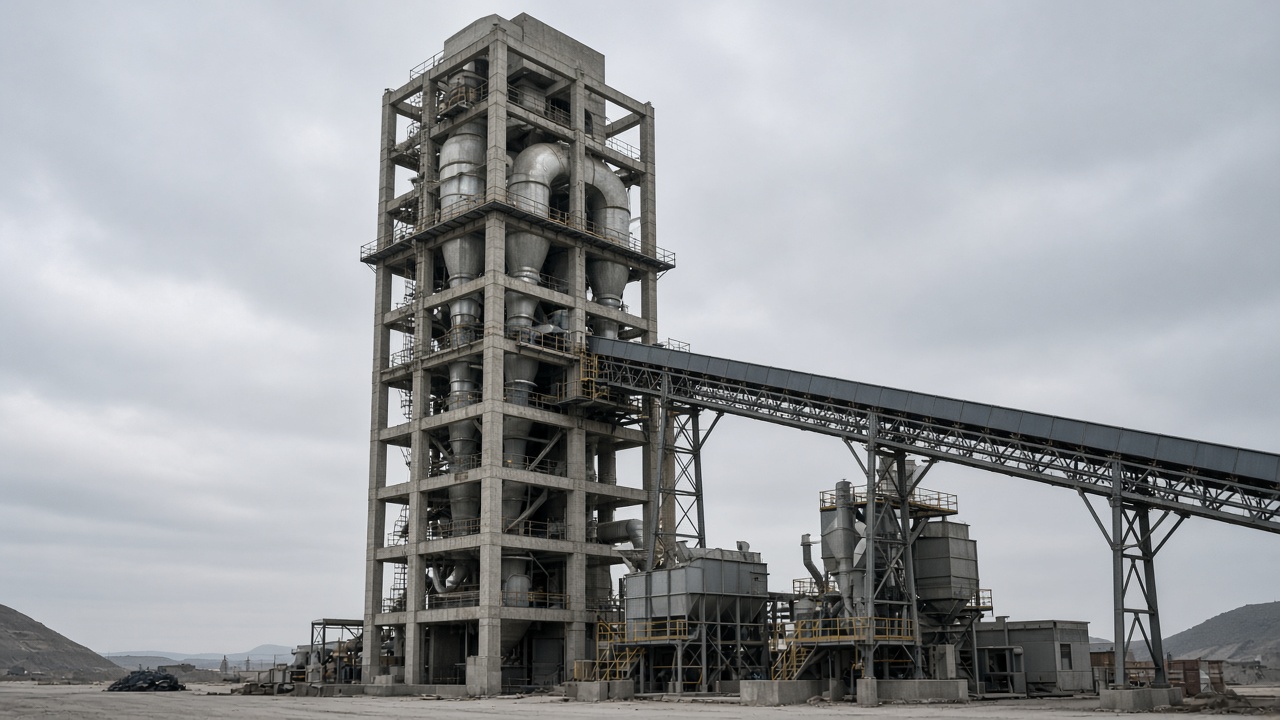
We should not need a sustainability consultant to learn how much renewable electricity a cement kiln actually used last quarter. Yet most BSE-listed producers still hide the number inside glossy PDFs while asking investors to price their decarbonisation stories.
The missing ratio
Clinker production is the carbon spine of cement. Kilns that run on captive coal plants look identical on revenue slides to peers buying open-access solar—until you read footnote 47. A plain clinker-to-renewable-power ratio, stated every quarter, would show whether a company is buying certificates on paper or shifting kiln heat inputs in practice.
Why SEBI’s framework is not enough yet
Securities and Exchange Board of India rules pushed large caps toward broader ESG disclosures, but cement’s material issue is thermal energy substitution, not generic board diversity metrics. Analysts modeling scope-one emissions need megawatt-hours per tonne of clinker, not anecdotes about tree plantations.
Renewable power purchase agreements are booming in Rajasthan and Karnataka, yet consolidated reports rarely tie those contracts to specific kiln lines. When a producer sells a grinding unit but keeps clinker capacity, the ratio would expose whether emissions intensity improved or merely moved between subsidiaries.
What we want from issuers
Publish clinker tonnes, renewable MWh consumed at kiln sites, and grid power mix in one table. Audit it like revenue. Compare year-on-year with the same boundary definitions—no restating prior quarters when a solar park comes online.
Objection: the data is commercially sensitive. Counter: cement is a commodity; kiln efficiency is already visible in fuel bills filed with state regulators. Investors price risk; opacity taxes the sector with a higher cost of capital.
Policy nudge
India’s industrial decarbonisation targets depend on heavy industry, not just EV chargers. A mandatory ratio would let banks stress-test cement loans against credible transition paths instead of brochure photography. The companies that already run captive solar at kiln sites should welcome the discipline; laggards would finally face a number they cannot spin away.
Comparability across peers
Ultratech, Ambuja, and Shree each report sustainability metrics on different boundaries—some include grinding units abroad, others exclude captive power subsidiaries. A standard clinker-to-renewable ratio would force harmonised boundaries similar to revenue recognition rules. Without that, ESG funds cherry-pick the issuer with the loosest definitions.
Credit rating agencies could incorporate the ratio into transition scores, penalising issuers whose renewable share stalls even as they tout net-zero targets for 2050. That market discipline beats waiting for perfect carbon markets.
Implementation path
We are not asking for new legislation overnight. A BSE consultation paper could pilot the ratio for large caps, then expand. Auditors already attest energy bills for tax purposes; extending assurance to a single KPI is cheaper than debating another glossy sustainability report format.
On the ground Monday
Desk reporters phoned traders, officials, and front-line staff to cross-check the numbers in this story against primary statements rather than recycled social posts. Where institutions declined comment, we kept claims tied to published filings or dated press releases. Updates will run on the India homepage if new figures land before the evening publish window.
Readers weighing decisions—whether investing, travelling, or accessing public services—should treat this piece as context, not personalised advice. Markets move after print; policy drafts change in committee; weather and health risks shift quickly. We will amend the story if material corrections arrive with named sources.
Bond investors underwriting green cement issues should demand the ratio in offering memoranda, not just use-of-proceeds narratives.