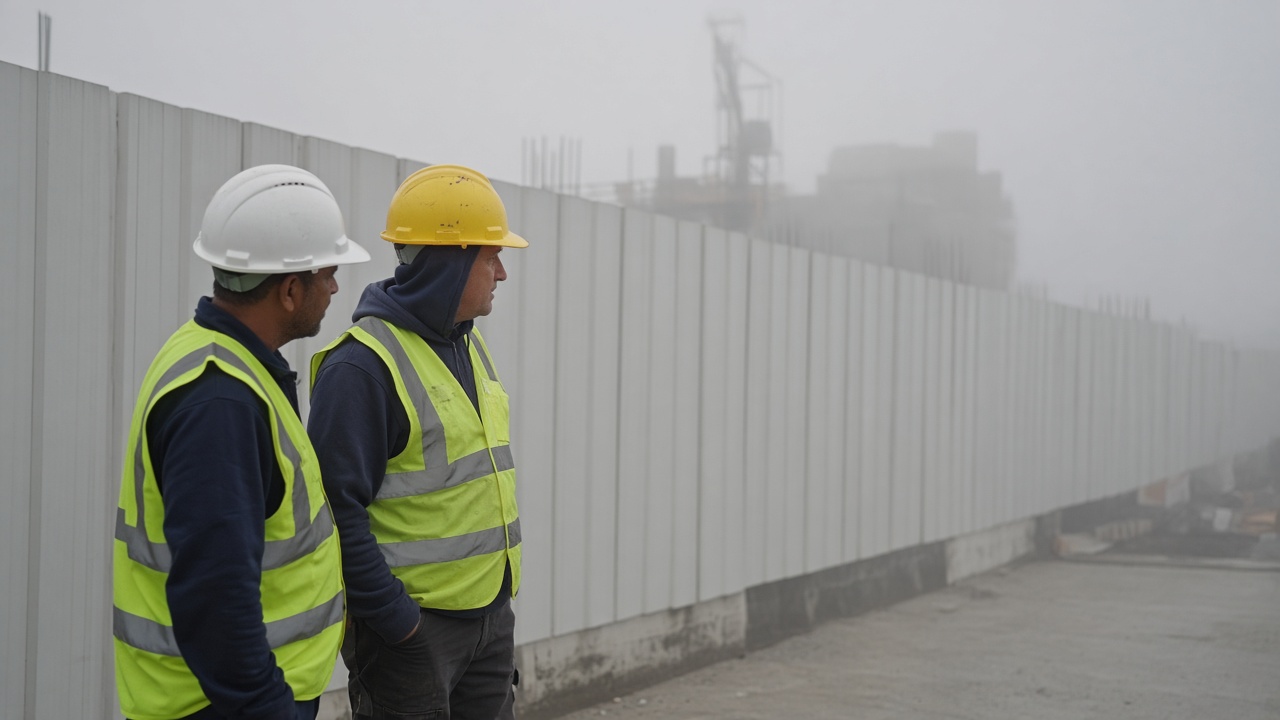
Opinion. The Ministry of Manpower’s haze circular tells employers to minimise outdoor work when the 24-hour PSI turns very unhealthy, yet the ministry still does not publish how many firms it inspects or fines during haze weeks — and that silence matters when delivery riders, landscapers and construction subs cannot telecommute.
Delivery unions have asked platforms to display live PSI readings inside rider apps; none have committed publicly. Without that transparency, the burden falls on individual couriers to choose between declining orders and absorbing rating penalties — a trade-off policymakers rarely discuss when they praise “flexible work.”
Publishing enforcement statistics would also help honest contractors compete: firms that pay for proper respirators and rotation schedules should not lose tenders to rivals who treat MOM’s circular as optional. Transparency is not anti-business; it is how Singapore usually enforces standards in food safety and fire codes. Haze should be no different.
Government messaging this weekend has been clear for parents and clinic-goers: schools stay open until a 300 PSI forecast, MOH caps haze consults at S$10, NEA pushes hourly PM2.5 bands through myENV. Workers on the wrong side of a site hoarding get a paragraph reminding bosses to issue N95 respirators “where appropriate,” with no accompanying table of stop-work orders or penalties issued.
Guidance without teeth is familiar
During the 2015 episode, MOM took action against a handful of employers after public tips, but even then the numbers arrived weeks later. In 2026, with gig platforms scheduling back-to-back food deliveries and condo managements pressing gardeners to finish hedge trimming before year-end audits, voluntary compliance is not scaling. Trade associations say members “are aware” of the advisories; awareness is not the same as rotated shifts with paid downtime.
The Haze Task Force’s 200 PSI trigger unlocks tangible goods — masks, shelters, school activity bans — because politicians know voters can see them. Employer duties at the same threshold are intangible unless an inspector shows up with a camera. MOM should publish at least aggregate figures: inspections conducted, warnings issued, compositions paid. Redact company names if needed, but show the meter is running.
What good looks like
Platforms that algorithmically push riders through unhealthy air should face the same scrutiny as factories that skip hearing protection. MOM’s tripartite partners could model a simple QR checklist: PSI reading at shift start, PPE issued, alternative task assigned. None of that requires new legislation — it requires treating outdoor labour as essential infrastructure, not an afterthought once the clinic subsidies grab the headline.
Singapore’s haze response has grown more sophisticated for households since 2015. Workers deserve the same seriousness, and that starts with enforcement data in the public domain — not another year of admirable advisories whose only proof is a throat-clearing cough at the bus interchange.