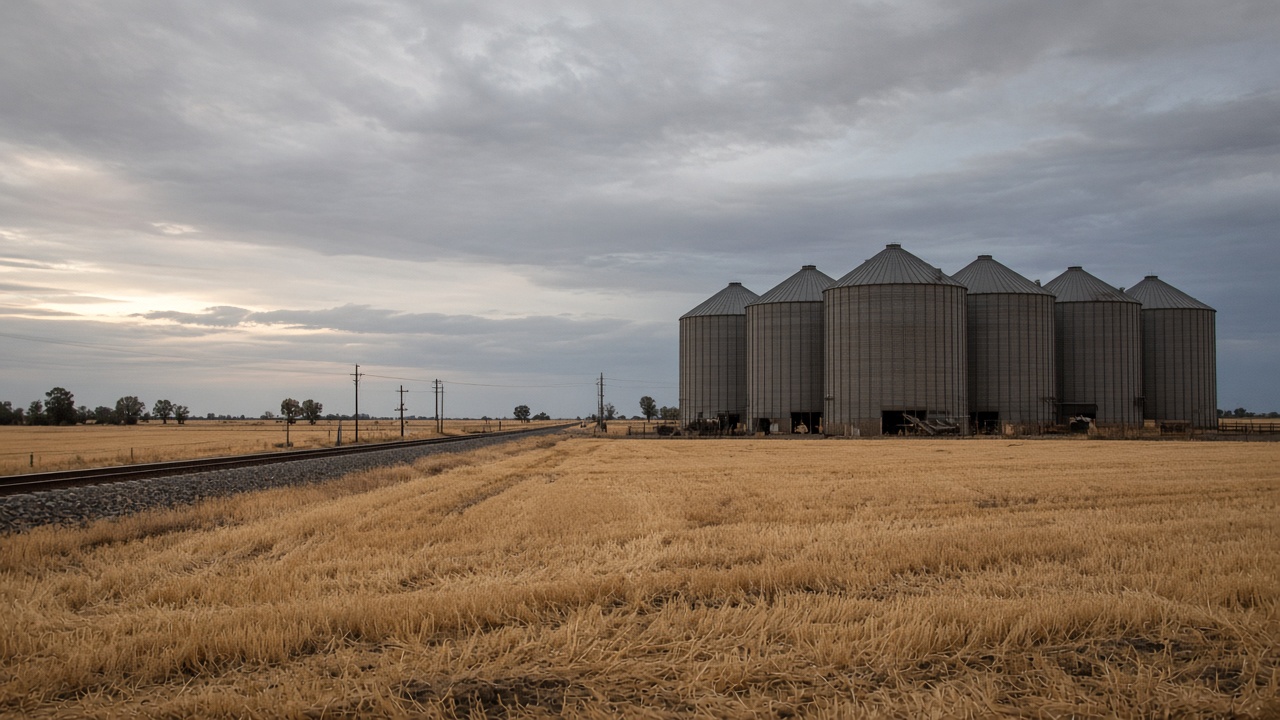
InfoHandle Editorial. A cabinet leak about wheat export quota mechanics should trigger a Senate estimates hearing, not a TikTok poll. Yet that is where much of last week’s debate landed: fifteen-second clips accusing the government of “banning farmers from selling food” while omitting the difference between statutory marketing pools and open export licenses.
Numbers before narratives
Australia exports the bulk of its wheat through transparent port statistics published weekly. When policymakers discuss discretionary quotas, they are usually balancing bulk-handler capacity, rail slot availability and drought reserve targets—not imposing secret bans. Voters deserve the actual tonnage tables from the Australian Bureau of Agricultural and Resource Economics and Sciences, not emotive voiceovers filmed in front of unrelated silos in South Australia.
Social platforms reward outrage, so creators conflate two distinct instruments: emergency curbs used during acute domestic shortages, and routine exporter registration requirements that have existed for decades. Parliament’s rural affairs committees have hearing rooms built for this granularity. They should use them.
Why TikTok is the wrong venue
Grain growers in Western Australia and Queensland often make marketing decisions months before harvest. Policy uncertainty transmitted through viral memes pushes them toward conservative planting—not because quotas are imminent, but because reputational risk spikes when city influencers mislabel regulatory consultations as overnight bans. That distortion hurts consumers eventually through tighter supply.
Ministers should publish consultation papers in plain English, yes, but the opposition should resist responding with duelling reels. A downloadable spreadsheet beats a hashtag war.
A better standard
Require every quota discussion to cite the latest port-throughput figures and identify which statute would change. If the answer is “none, this is only a discussion paper,” say so on the record. Farmers, millers and export traders can handle nuance; they cannot handle whiplash manufactured for engagement.
Democracy needs more committee transcripts and fewer trending sounds. Wheat policy is dry by design—keep it that way.
What farmers should demand
Export registration numbers, port loading windows and any discretionary waivers should be posted on a single federal dashboard updated daily during harvest. If a minister contemplates a curb, the dashboard should show domestic stock-to-use ratios and rail capacity utilisation—not talking points filmed in a studio far from the Wheatbelt.
Opposition parties can critique policy without inventing bans. The credible line is whether quotas, if ever used, protect domestic millers at the expense of growers who contracted forward sales. That argument requires spreadsheets, not sirens.
Media literacy groups could partner with grower associations to debunk viral clips within hours, linking to primary documents. Parliament already funds agricultural extension officers; give them social tools and mandate responses when false quota claims trend nationally.
TikTok is not the enemy—unverified certainty is. Wheat markets price risk every day; democracy should price truth the same way.