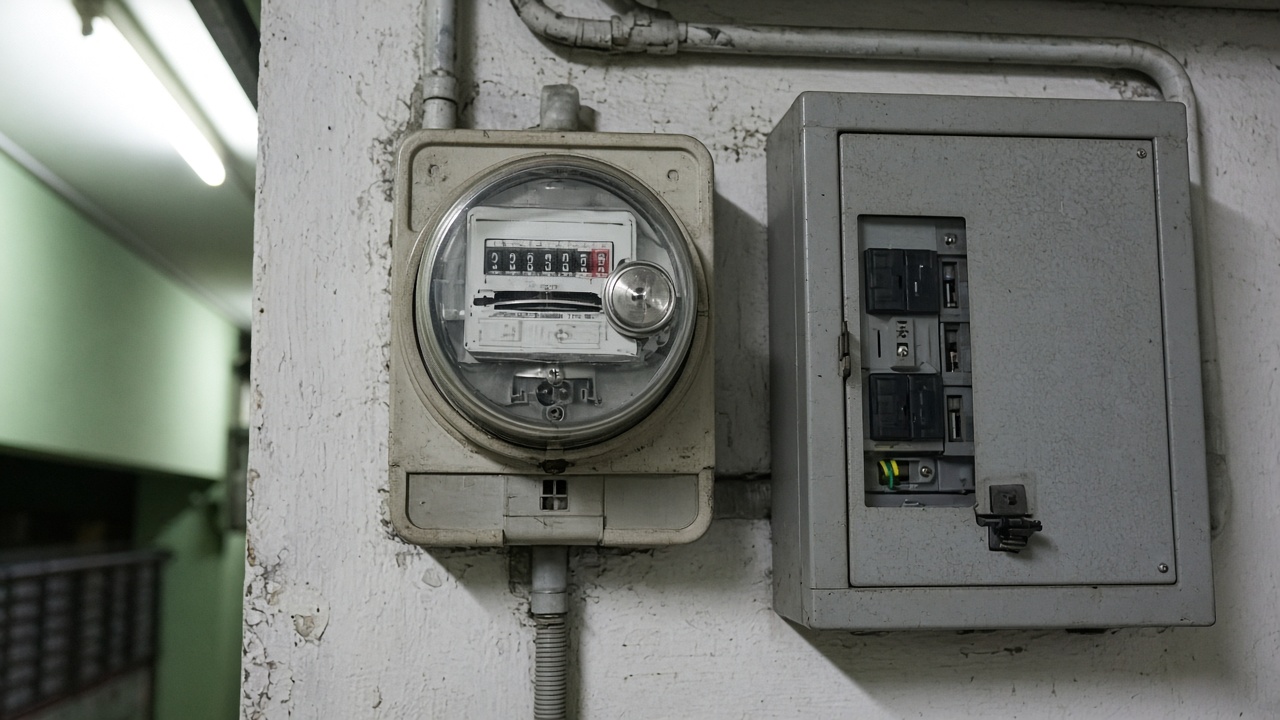
Households on SP Group’s regulated tariff began paying 28.59 cents per kilowatt hour before goods and services tax on 1 October, a 10.4 percent drop from the July-to-September quarter, giving four-room Housing Board flats an average monthly saving of S$12.99 before GST even as many families run air purifiers around the clock during the haze.
SP Group announced the revision on 30 September, tying the cut to lower average natural gas prices between 1 July and 15 September. The regulated rate is not a marketing label — it is the default plan for households that have not switched to an open-market retailer such as Geneco, Senoko Energy or Sembcorp Power. With GST, the all-in number is 31.16 cents per kWh for the quarter ending 31 December.
How the bill breaks down
EMA approves four components each quarter: energy costs, network charges, the market support services fee and the market administration fee. For Q4 2026, energy costs account for 22.18 cents of the pre-GST tariff, while network costs add 6.10 cents. SP passes through fuel movements with a lag — prices that spiked after mid-September on Middle East tensions will not show up until the January revision unless regulators intervene.
Marcus Goh’s household-money desk ran the numbers on a typical four-room flat using SP’s worked example: at the new tariff, a household using 350 kWh a month would pay about S$109 before GST, down from roughly S$122 in the previous quarter. That is real money, but it can be swallowed quickly when families seal rooms against haze and leave inverter air conditioners on while working from home.
Retailers still pitching switches
Open-market retailers responded to the regulated cut by highlighting fixed-price plans near 28.90 cents with GST for 24- or 36-month terms. Comparison sites updated their tables on 1 October, and several banks pushed cashback for utility bill payment on credit cards. The practical question for cardholders is whether the merchant category code on SP Services posts as utilities — most issuers treat it as eligible for recurring bill rebates, but promotional caps still apply.
City Energy’s town gas tariff moved on a separate schedule; households should not assume electricity savings offset higher gas cooking costs. SP and City Energy both note that Q4 relief reflects last quarter’s fuel curve, not this week’s haze-driven demand spike.
If you stayed on the regulated plan through the July surge, October’s letter is the first tangible relief on the statement. Keep the PDF — it is the baseline you will compare against when January’s potentially higher fuel pass-through lands in the mailbox.