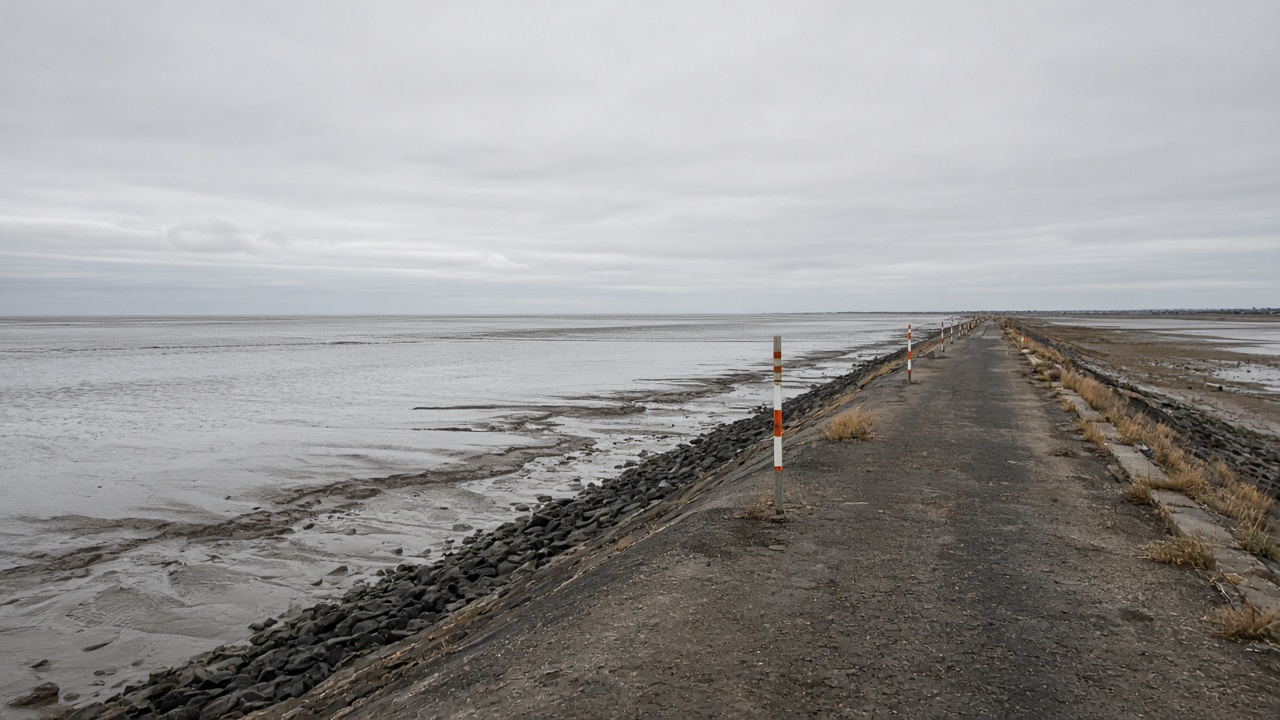
The national government and Jeollabuk-do officials are arguing over who pays to prepare rental industrial land for Hyundai Motor Group's roughly 9 trillion won Saemangeum AI Valley package, and the answer could decide whether the group's March groundbreaking stays on schedule.
At a National Assembly audit on October 8, lawmakers pressed the Ministry of Economy and Finance after the Saemangeum Development Agency proposed covering 70 percent of land-development costs from the central budget. The ministry countered with a 50-50 split between national and local accounts, citing fairness across regional projects.
What Hyundai committed
Hyundai Motor Group plans to cluster an AI data center, robotics plant, electrolysis facility, and solar generation across Saemangeum. The development agency wants construction on the data center to start in March 2026 and to deliver 37.5 square kilometers of industrial plots by 2035 under public leadership.
Representative Lee Chun-seok's office said additional plots are needed for suppliers that would follow the anchor investor. Without cheaper rental land, smaller robotics and hydrogen vendors may delay move-in dates even if Hyundai itself keeps investing.
Why the split matters now
Executive Chair Euisun Chung marks six years at the group's helm on October 14, and the conglomerate has promised 125.2 trillion won of domestic spending over five years, with Saemangeum positioned as the physical-AI showcase. Any slip in land preparation feeds investor questions about whether robotics and hydrogen units can scale outside existing auto campuses.
Provincial leaders argue Saemangeum is a national reclamation project, not a provincial vanity site. Ministry officials warn that granting a 70 percent central share could reopen every other mega-site subsidy negotiation across the country.
Next decisions
Budget negotiators must align the land-cost ratio before year-end appropriations talks. The development agency still targets supplier outreach this quarter, but site engineers say utility trenching cannot begin until the funding formula is fixed. Hyundai has not publicly revised its March target, yet contractors privately say earthworks bids need a signed cost-sharing decree by November.
For residents in Gunsan and Buan, the dispute is less about corporate strategy than jobs: provincial estimates tie the AI Valley to tens of thousands of construction roles before the first server rack arrives. A prolonged standoff would leave those workers bidding on other public works while rival chip and battery clusters in the southeast keep hiring.
Governor Kim Kwan-yong's office said Jeollabuk-do has already committed local matching funds for road upgrades and cannot absorb another 20 percent land tab without cutting other welfare programs.