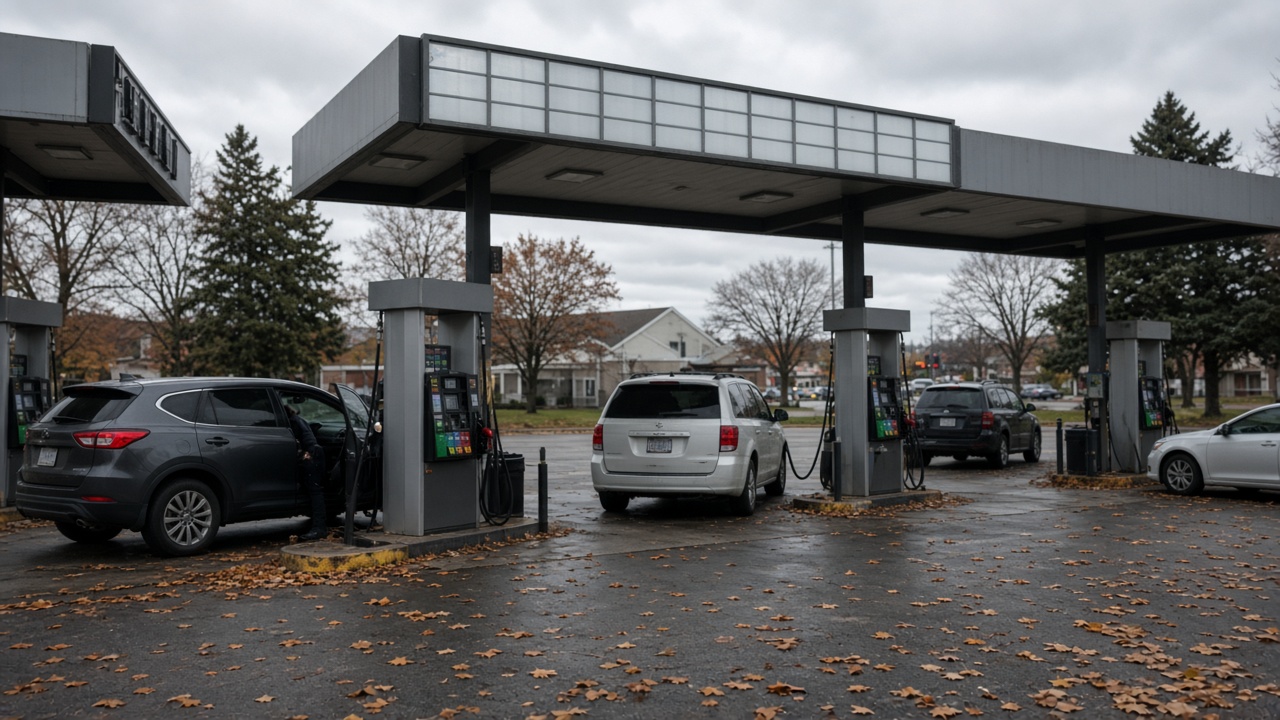
WASHINGTON — U.S. consumer prices jumped 0.6% in September, the largest one-month increase since April, pushing the annual inflation rate to 3.7% from 3.4% in August, the Bureau of Labor Statistics reported Wednesday. Energy led the move: gasoline prices rose sharply after Middle East shipping disruptions fed through to American fuel markets, while shelter and food costs continued to climb at a slower but still uncomfortable pace.
The report lands three weeks before the Nov. 3 congressional elections, giving both parties a fresh affordability talking point. Republicans have argued that tariffs and energy shocks are still filtering into household bills; Democrats have pointed to cooling core inflation and job growth even as voters tell pollsters prices remain their top economic worry.
What moved the index
Headline CPI advanced 3.7% for the 12 months through September, matching the upper end of economist forecasts and marking the highest year-on-year reading since early summer. On a monthly basis, the 0.6% gain followed a 0.4% rise in August and was driven disproportionately by energy.
Excluding food and energy, the so-called core CPI rose 0.3% in September and 2.6% over the past year, up from 2.4% in August. Core goods prices firmed while services inflation remained sticky, particularly in housing-related categories that make up a large share of the basket the BLS uses to track urban consumers.
Federal Reserve officials watch core measures closely because they strip out volatile fuel and grocery swings. The central bank targets 2% inflation using a separate personal consumption expenditures index, which has also run above goal this year. Chair Jerome Powell and colleagues have kept policy rates elevated while arguing that tariff pass-through and energy volatility could keep headline readings choppy into 2027.
Politics and policy stakes
President Donald Trump has tied energy costs to his administration’s foreign policy, including strikes in the Middle East and pressure on Iran over the Strait of Hormuz. Higher gasoline prices at the pump have become a staple of campaign ads in competitive House districts, where control of Congress could hinge on suburban voters in states from Pennsylvania to Arizona.
Treasury Secretary Scott Bessent and White House economic advisers have said supply-side measures — including expanded drilling permits and strategic releases when appropriate — can blunt fuel spikes. Critics counter that global crude benchmarks, not Washington directives alone, set the floor for retail prices, and that renewed conflict risk premiums are difficult to offset quickly.
Investors parsed the CPI print for clues about the Fed’s late-October meeting. Futures markets had already priced a high probability of a hold; firmer core inflation reduces the odds of an aggressive easing path even if growth slows later next year.
What households are seeing
Supermarket receipts and utility bills remain sensitive barometers. Grocery inflation has cooled from its 2022 peak but still outpaces the Fed’s target in several categories. Rent growth has decelerated in some metropolitan areas yet continues to lift the shelter component that accounts for more than a third of CPI weighting.
Workers have seen nominal wage gains, but when adjusted for September’s inflation pace, real purchasing power gains are thinner than headline pay numbers suggest. Union contracts negotiated this fall in manufacturing and logistics explicitly reference cost-of-living adjustments tied to CPI prints like Wednesday’s.
The BLS will release October CPI on Nov. 13, after voters have cast midterm ballots. Until then, campaigns on both sides are likely to seize on pump prices at local stations as a daily reminder of the 3.7% annual figure now on the official scoreboard.