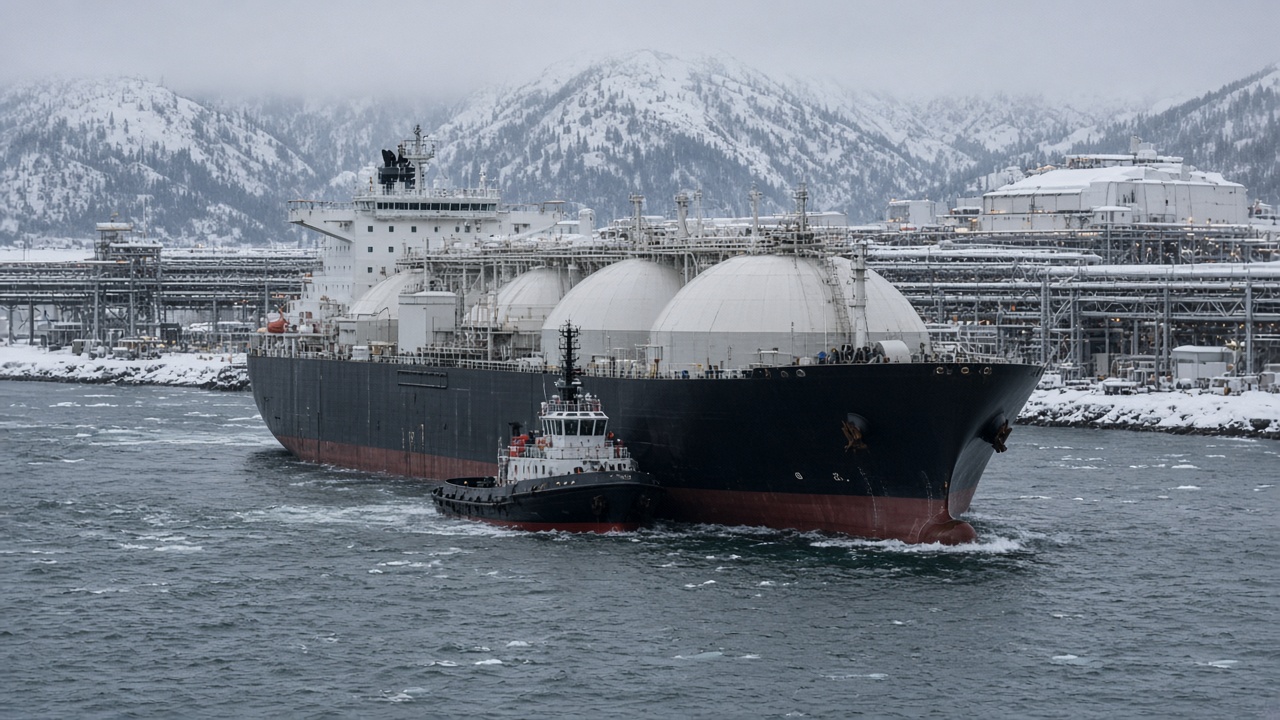
Taiwan’s Ministry of Economic Affairs said Wednesday that state-owned CPC Corporation is moving ahead with plans to purchase six million metric tons of liquefied natural gas annually from a U.S. Alaska pipeline project, a volume Taipei cast as critical to diversifying supplies away from the Strait of Malacca. The ministry said CPC signed a letter of intent in March 2025 and could invest as much as US$4.4 billion in the venture once production begins.
President Donald Trump publicly hailed the arrangement as “one of the biggest deals ever made,” amplifying pressure on Taipei to show progress on trade and energy purchases that Washington has tied to security commitments. For CPC, the deal is both a hedge against maritime chokepoints and a political signal at a moment when Chinese military activity around Taiwan remains elevated.
What CPC committed to on paper
According to the ministry’s statement, CPC’s March 2025 letter of intent covers long-term offtake from the Alaska LNG development, with pricing and final terms still subject to board approval and regulatory review on both sides of the Pacific. Officials did not publish a binding purchase price, but they emphasised that the project would begin deliveries only after extraction and liquefaction infrastructure is completed — a timeline that energy analysts say could stretch into the next decade depending on U.S. permitting.
CPC already imports LNG from Australia, Qatar and the United States under a portfolio strategy designed to keep Taiwan’s power sector fuelled without relying on any single route. The Alaska volume would materially shift that mix toward North American molecules, potentially reducing exposure to Middle East disruptions that have roiled Asian spot prices during the Iran–Houthi conflict.
Grid stakes for Taiwan Power and industry
Natural gas generates roughly half of Taiwan’s electricity, making CPC’s procurement choices a direct input to household bills and semiconductor fab reliability. Taiwan Power Company passes fuel costs through regulated tariffs, so any long-term contract that locks in predictable supply can stabilise budgeting — provided the price formula beats volatile spot markets when the cargoes arrive.
Industrial users, including foundry operators that run 24-hour fabs, watch CPC’s portfolio for signs of shortfall during typhoon season or strait tensions. A multi-million-ton Alaska anchor could ease those fears, but only if regasification terminals at Taichung and Yung-An have berth capacity and if CPC secures shipping insurance acceptable to lenders during periods of elevated cross-strait risk.
Legislative and cross-strait optics
Lawmakers from both major parties are likely to summon CPC executives to explain how the Alaska investment affects dividends the state expects from the company and whether cheaper spot LNG might still be available from other suppliers. Opposition figures may also ask whether tying Taiwan’s grid to a Trump-promoted project gives Washington more bargaining power in trade disputes unrelated to energy.
Beijing routinely criticises U.S.–Taiwan economic agreements as steps toward “dependence” on Washington. Chinese coast guard activity near outlying islands has stayed in the headlines this week, and any major energy deal with the United States will be framed in mainland media as further evidence of Taipei’s alignment with U.S. strategy — even though CPC’s mandate is commercial fuel security, not diplomacy.
What happens before the first cargo
CPC must still convert the letter of intent into definitive contracts, secure financing for its equity stake, and align delivery schedules with Taiwan’s third LNG terminal projects. U.S. project sponsors need federal approvals and offtake commitments from other buyers to reach final investment decision.
If either side delays, Taiwan will continue relying on existing suppliers while spot prices react to Middle East shipping attacks. For now, the ministry’s Wednesday announcement gives CPC political cover to keep negotiating — and gives Washington a headline it can cite in broader talks over chips, arms sales and trade deficits.