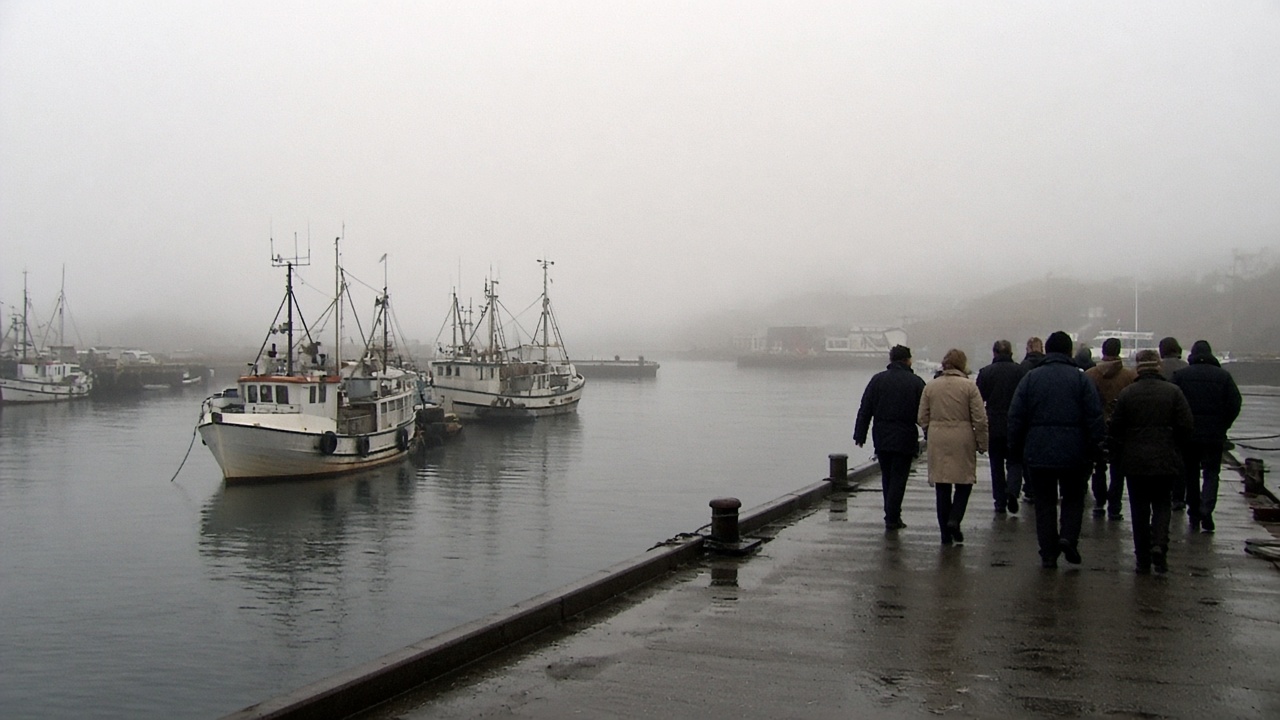
A Chinese delegation traveled to Etorofu this week at the invitation of Russia’s Sakhalin regional government, touring sites for tourism and seafood investment on an island Japan calls part of its Northern Territories. The visit adds a new layer to Tokyo’s standoff with Moscow over four Soviet-seized islands—and raises questions in Japan about Beijing’s role in developing territory Tokyo still claims.
Sakhalin Governor Valery Limarenko said the Kuril chain, including the four disputed islands, holds potential for tourism and business growth and that his administration wants a favorable environment for investors. According to a regional government announcement cited by Jiji and the Japan Times, delegates from Heilongjiang province—officials and business representatives from China’s northeast border region—inspected aquaculture opportunities for sea urchin and sea cucumber and discussed a possible seafood-processing plant with local firms.
Tax breaks and Putin’s August trip
Moscow has tried to populate and commercialize the islands since designating the Kurils a special tax-free zone in 2022, exempting businesses from corporate tax and offering preferential terms to foreign investors. Russian President Vladimir Putin visited Etorofu in August, his first trip to any of the four islands, touring a seafood factory and signaling that economic development would continue.
Prime Minister Sanae Takaichi called Putin’s August visit “absolutely unacceptable,” and Russia dismissed Tokyo’s protest. The islands were seized by the Soviet Union at the end of World War II; Japan has demanded their return ever since, leaving the two countries without a postwar peace treaty.
Takaichi’s response to the Chinese mission
On Tuesday, Takaichi told reporters at the prime minister’s office that the government is working to confirm facts about the Heilongjiang delegation’s activities on Etorofu and will “respond appropriately in line with our country’s position on the islands.” She did not specify diplomatic steps, but any perceived Chinese participation in island development is politically sensitive for a Japanese leader who has taken a firm public line on territorial issues.
Foreign Ministry officials in Tokyo routinely protest Russian moves on the four islands, but third-country business visits are harder to counter than Russian military exercises. Tokyo’s main tools are diplomatic: statements, coordination with G7 partners, and refusal to recognize Russian sovereignty.
Why seafood and tourism matter
Sakhalin’s pitch focused on practical industries—marine products and visitor accommodation—that could anchor year-round settlement. Delegates also looked at tourism infrastructure sites amid local calls for more lodging on the Kurils. For Russia, Chinese capital and logistics from Heilongjiang offer a nearby partner; for Japan, the same projects symbolize consolidation of Russian control.
Opposition lawmakers in Tokyo will press Takaichi on whether Japan asked Beijing directly to discourage provincial trade missions on Etorofu. With Russia-China economic ties deepening under sanctions pressure on Moscow, Tokyo may find few tools beyond public criticism. The visit does not change legal ownership, but it makes the Northern Territories dispute visible again at a moment when Japan is also managing tense relations with China over Taiwan and maritime patrols.