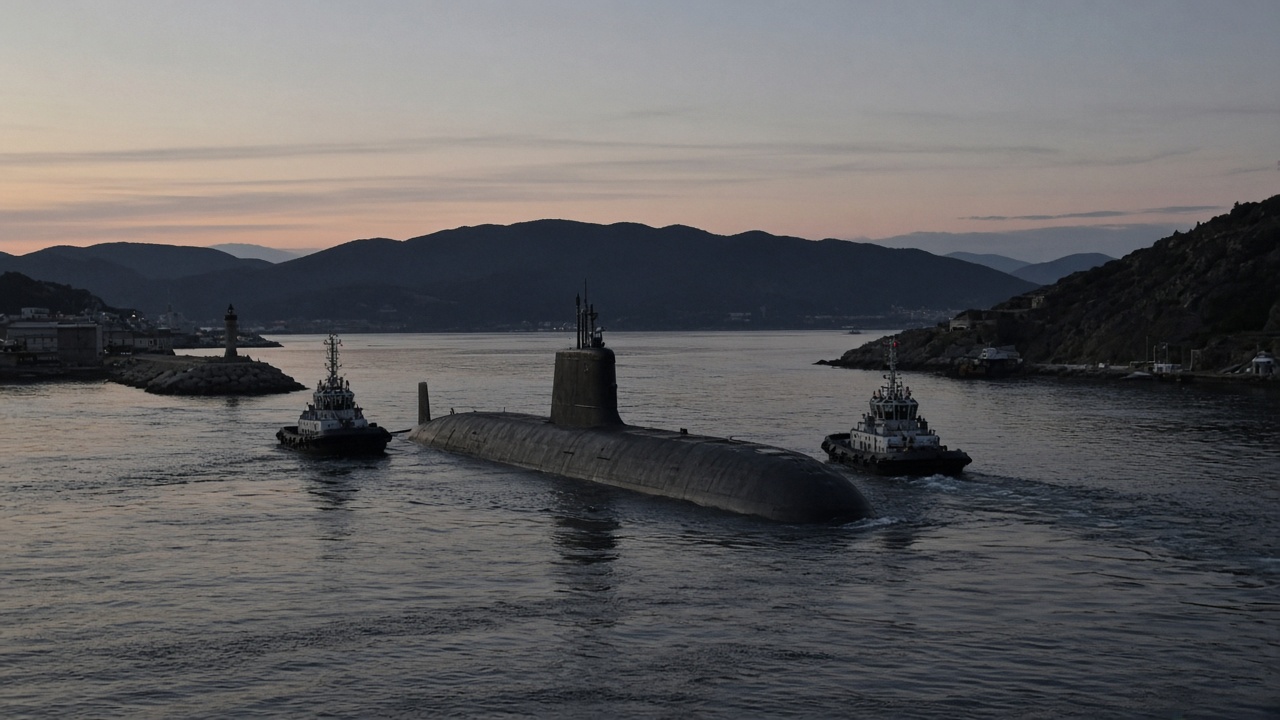
Taiwan’s domestically built prototype submarine Hai Kun departed Kaohsiung on Thursday morning for its 25th sea trial, the 19th involving a submerged run, according to Central News Agency reporters at the harbor. Military enthusiasts who track the program said the boat surfaced just before 8 a.m. local time, continuing a test schedule that has accelerated since midyear integration work wrapped up.
The sail marked another public milestone for a project that Taipei treats as both a deterrent and an industrial test bed. Taiwan Shipbuilding Corporation, known as CSBC, leads construction of the 2,700-ton design, with foreign technical assistance tightly controlled and much of the political debate centered on how quickly the navy can field a second hull.
Final-phase testing
Chi Tung-yun, a military analyst and chairman of the Taiwan Security Studies Association, told CNA that Hai Kun has entered the last phase of sea trials, when exercises grow more demanding in depth and duration. Shipyard officials have said in prior briefings that repeated tuning and vendor support resolved most system-integration problems that delayed earlier outings.
Thursday’s sortie did not include a Ministry of National Defense press statement with operational details, consistent with recent practice of confirming trials through spotter activity and limited media access at the pier. The navy has emphasized that each outing feeds data into certification before a formal handover decision.
Strategic backdrop
The trial took place as Taiwan’s military reported sustained Chinese air and naval activity around the island, including a carrier group monitored in the western Pacific. Defense officials have framed indigenous submarines as a tool to complicate blockade scenarios, even as budget fights continue over how many hulls can be built per year without crowding out missile and air-defense programs.
Lawmakers from both major parties have toured CSBC facilities in recent months, pressing for timelines on the second boat, named after a planned follow-on class. Supporters of the program argue that steady trial progress could unlock additional orders; skeptics question sustainment costs and crew training pipelines.
What the navy needs next
Analysts said the remaining trials will likely stress weapons interfaces, quieting measures and endurance patterns that mimic operational patrols. A successful completion would move Hai Kun closer to commissioning ceremonies the navy has hinted could come before year-end, though officials have not published a firm date.
For residents near Kaohsiung’s harbor, Thursday was another morning of cameras and spotters lining the quay—routine for a program that has become one of Taiwan’s most visible defense projects. The difference this autumn, Chi said, is that failures now would point less to basic integration and more to the hard edge of combat readiness: “The last tests are where you find out if the boat can do what the brief promised.”