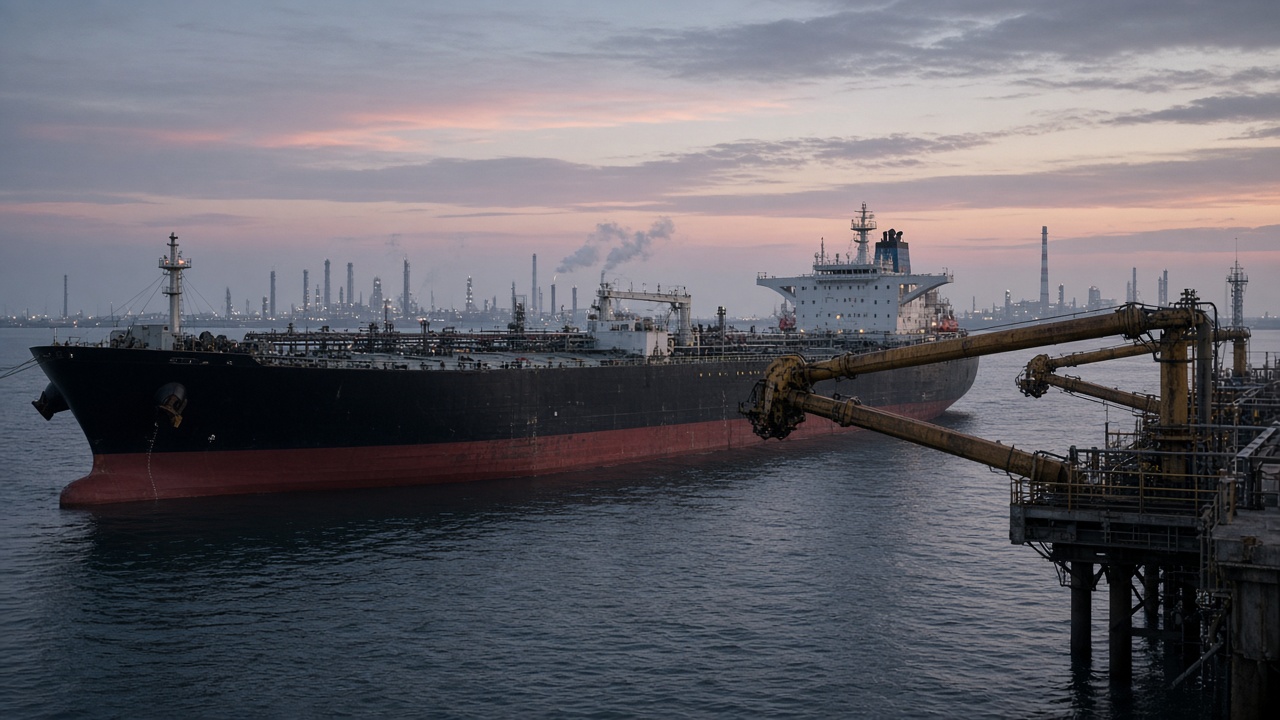
Trump administration officials are discussing whether the Treasury Department should grant individual licenses allowing some sanctioned “shadow fleet” tankers to move crude and refined products that are not themselves barred under U.S. law, according to a U.S. official who spoke to Reuters on condition of anonymity. The aim is to add usable hulls to a market where charter rates have surged alongside Middle East shipping attacks, not to reopen Russian or Iranian oil flows, the Department of Energy stressed separately on Thursday.
What the proposal would change
Shadow-fleet vessels are tankers that have carried oil from sanctioned producers or have been designated for doing so. Hundreds remain on U.S. and allied lists even when owners want to pivot to lawful trade. Under the idea circulating in Washington, a company would apply to the Office of Foreign Assets Control for permission to employ a specific ship on non-sanctioned cargoes, potentially after a change of ownership or management.
Reuters reported the discussions on Thursday from Houston, where energy traders were digesting another week of Hormuz incidents and still-elevated freight indices. A U.S. official told the news agency that lifting designations on a vessel-by-vessel basis could “lower shipping rates and increase flows” of legal oil, particularly for Gulf and U.S. exporters facing tight tonnage.
Why analysts expect a limited effect
Shipbrokers and data firms were skeptical that licenses alone would free meaningful capacity. Kpler analysts told Reuters they expect “virtually no impact on the current tanker crisis,” because many shadow ships lack class certificates, carry thin or opaque insurance, and remain subject to European Union and United Kingdom restrictions on maritime services.
Jonathan Chappell, an analyst at Evercore ISI, noted that repossessing or reselling a shadow-fleet tanker through sanctioned channels often takes months or years. Even when Treasury delists a hull, ports, banks and P&I clubs may still treat it as high risk if maintenance records are thin or the ship recently transited war zones.
Allies and politics
European sanctions on the shadow fleet operate on a parallel track. Ship Universe, summarizing the Reuters reporting, pointed out that a U.S.-authorized tanker could still be blocked from London-market insurance or EU port calls if Brussels or London keep the vessel designated. TradeWinds reported that the White House discussion coincides with record tanker earnings and growing pressure from U.S. refiners and LNG exporters who pay spot rates far above pre-war norms.
No general license has been published, and Treasury did not confirm a policy shift when contacted by trade press. Energy Department spokespeople reiterated that any easing would not help Russia move oil. For now, the idea remains a negotiating position among officials trying to reconcile sanctions enforcement with freight inflation less than three weeks before U.S. midterm elections.
What shippers are watching
Charterers said the immediate test is whether OFAC begins issuing case-specific letters before the next Hormuz convoy cycle. Until then, mainstream operators will keep relying on vetted fleets, and shadow tonnage will stay on the sidelines regardless of headlines from Washington.