In July 2011, Japan's Supreme Court told a residential tenant known in the filings only as X that ¥76,000 in unpaid renewal fees were still owed, even after X had already handed over ¥228,000 in earlier renewal charges and argued the whole arrangement violated consumer-protection law. The lease had been clear: every year the contract rolled forward, the tenant owed two months' rent as 更新料, on top of the monthly payment that never stopped. X wanted that money back. The court said no.
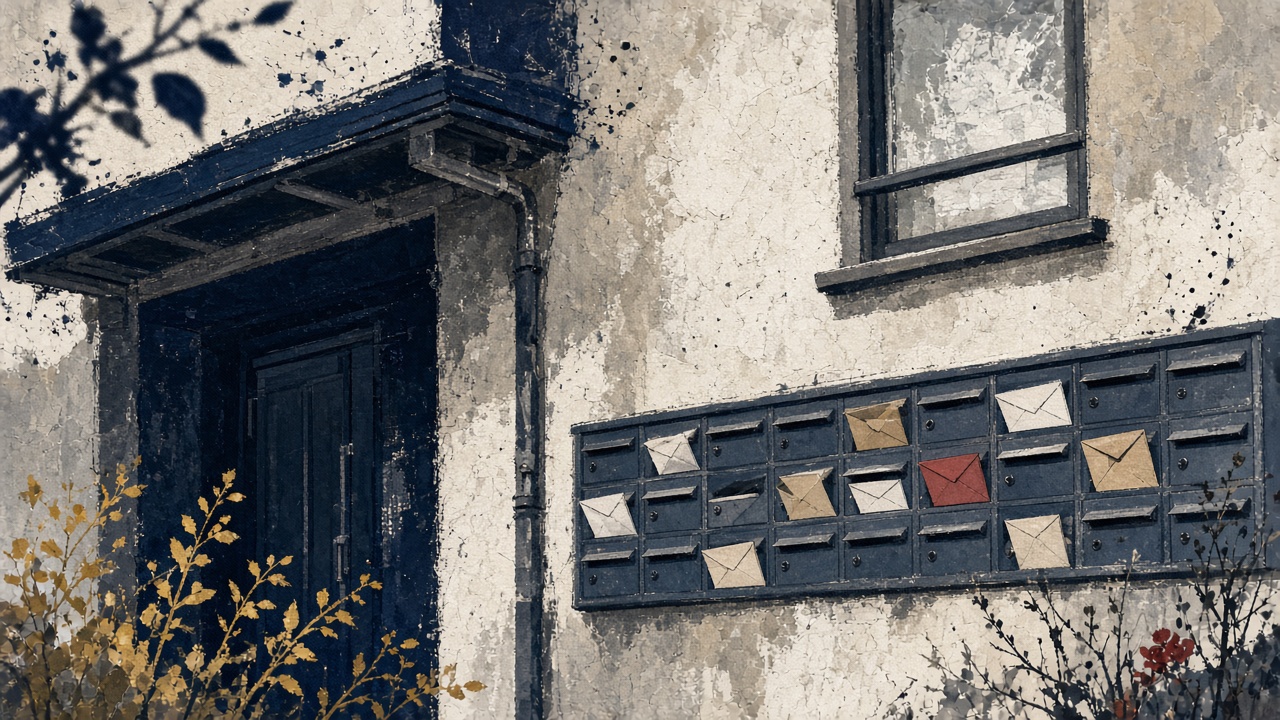
If you rent in Kanagawa or Chiba, that outcome probably feels familiar long before you read a judgment. A plain envelope labeled 更新のお知らせ still arrives about two years in, asking for another lump sum just to keep the same keys. The slip under the genkan door is the recurring object in this story: not a move-out notice, not a rent increase letter, but a bill for staying put.
¥228,000 already gone
The dispute that reached the Supreme Court turned on contract language anyone signing a Kantō lease has seen in milder form. The landlord required two months' rent as an annual renewal fee whenever the tenancy extended, whether by agreement or by the automatic renewal rules in the Act on Land and Building Leases. X paid ¥228,000 in renewal fees over the years, plus a ¥120,000 fixed repair-sharing charge at move-in, then refused further renewal payments and brought a court action seeking a refund.
Lower courts had split on whether such clauses abused renters. On 15 July 2011 the Supreme Court's Second Petty Bench sided with the landlord on the renewal-fee clause itself. The unpaid balance of ¥76,000, the court held, was due.
That case is extreme on the amount: two months' rent every year is steeper than the Kantō norm, where MLIT's 2007 agent survey found Tokyo leases averaging a one-month fee when they charged one at all. Kyoto was the outlier on price among sampled prefectures, at 1.4 months on the 55.1 percent of leases that included the charge. The Supreme Court dispute is useful because it isolates the legal question. Nothing in the statute sets a renewal-fee tariff. The fight was whether a line in the lease could create one anyway.
The guesses that sound right
Most renters assume the fee must pay for something physical. The kitchen cabinets are 15 years old; the tatami has been compressed by a decade of socks. A one-month surcharge feels like a maintenance reserve, especially when agents describe 更新料 as funding wear and tear.
Others treat it as a disguised rent hike. Monthly rent is hard to raise on a sitting tenant; a fee every second year lands outside the usual negotiation.
A third guess points to Tokyo housing law itself, as if the Ministry of Land, Infrastructure, Transport and Tourism mandated a renewal charge the way it mandates fire exits. That guess feels plausible because the fee arrives on a schedule tied to the lease term, stamped with official-looking forms.
All three guesses contain a grain of truth and miss the mechanism. The grain is that landlords really do treat the payment as income. The miss is where the obligation comes from.
MLIT's 2007 agent survey, based on 175 valid agency responses about leases signed between April 2005 and March 2006, is still the government's widest public map of those customs. It is old, but it is also the document ministries still point to when explaining why Yokohama and Osaka diverge.
Theory: the law orders it
Start with what the government says in plain FAQ language. When a tenant asks whether a renewal fee must be paid, MLIT answers that the charge is not a legal obligation. It exists as commercial custom in some regions, and if the signed lease requires payment, the clause is generally treated as valid.
Read that twice. The ministry that oversees rental housing says the fee is not required by statute. Enforcement runs through the contract in your drawer, not through a chapter of the civil code titled "renewal fees."
MLIT still warns that if your lease already contains a payment clause, you are expected to pay it. That is the hook: lawmakers never set the yen amount, but they built a lease-renewal machine that triggers whatever the contract says when the term ends.
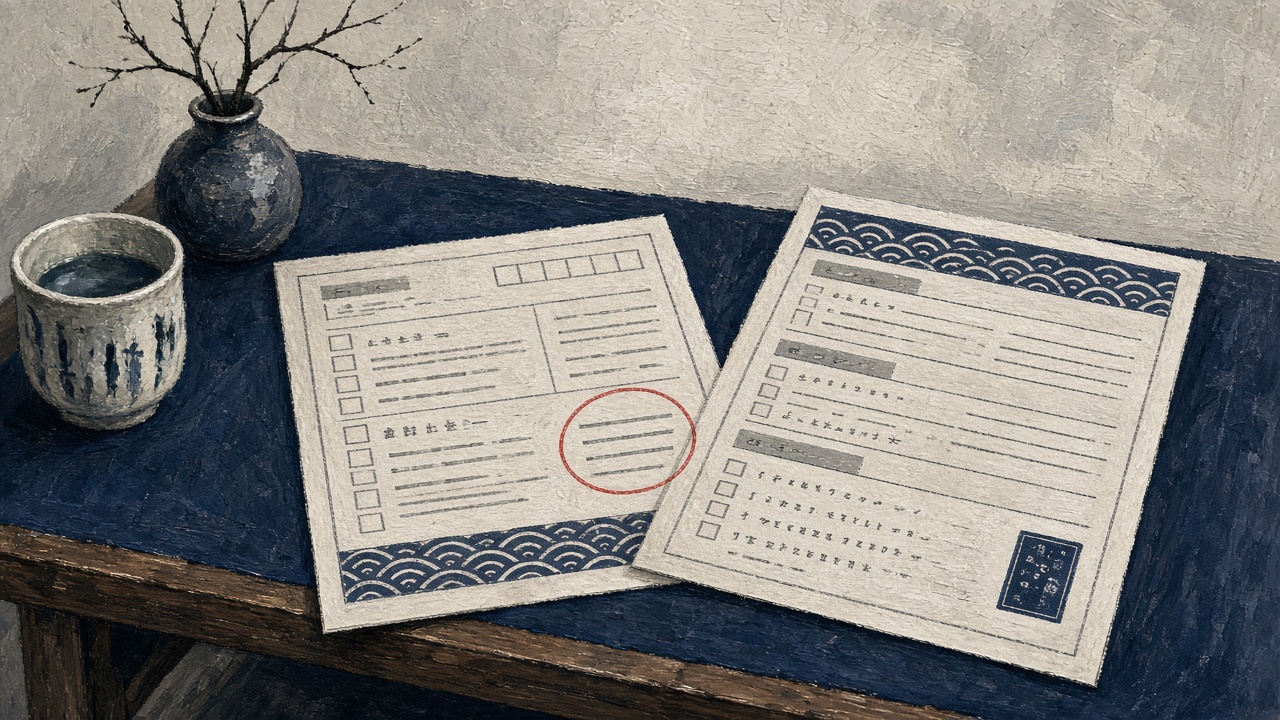
The 2011 Supreme Court judgment MLIT cites in the same FAQ is the other half of the answer. A renewal-fee term written clearly in a consumer lease is not void under the Consumer Contract Act merely because it burdens the tenant, unless the amount is grossly out of line with rent and the renewal period. After that ruling, agents had less reason to drop the clause from standard forms in fee-charging regions.
Theory: it funds the worn kitchen
Landlords themselves give a more honest accounting in a 2007 MLIT survey of 183 property owners. Among the 49 who said they collected renewal fees, 55.1 percent listed lump-sum income as a main reason, and the same 55.1 percent cited long-standing custom. Only 30.6 percent pointed to funding wear-and-tear repairs.
That does not mean floors never get refinished. It means the fee is not priced like a quoted repair invoice. It is priced like a habit: a once-per-term payment landlords in eastern Japan learned to expect, layered on top of rent that already covers use of the unit.
Theory: you could just leave
The deeper statutory surprise is that many tenants never consciously "renew" anything. Article 26 of the Act on Land and Building Leases treats a timed lease as renewed on identical terms if neither side gives notice between one year and six months before expiry. Silence extends the contract. The 更新のお知らせ on the floor is often bookkeeping around that automatic extension, plus whatever fee the lease attaches to it.
Fixed-term leases were supposed to change the calculus. Since 1 March 2000, landlords and tenants have been able to sign 定期借家 contracts that end on a calendar date with no renewal, provided the no-renewal rule is written into a formal contract and explained in writing. MLIT's model commentary stresses that even if a tenant keeps living in the unit after the date, the old fixed-term lease does not silently roll forward under the Civil Code's implied-renewal rule; the parties need a new contract.
Yet ordinary leases still dominate moves in the three major metro areas. MLIT's housing-market surveys show fixed-term leases running near single-digit shares for years: 4.1 percent in fiscal 2010, 3.3 percent in fiscal 2014, down to 0.9 percent by fiscal 2017 in the same series. The reform created an exit ramp from auto-renewal culture; most new renters did not take it.
So the practical choice for most households is not a clean binary between paying and leaving. Staying without paying means either accepting the contract charge or planning an exit months before the statutory notice window closes, while the lease otherwise renews itself.
The turn: custom plus auto-renewal
Once you see Article 26 and the contract clause as a pair, regional maps stop looking random. The same national act governs Yokohama and Osaka. What differs is what agents put in the standard lease forms.
In MLIT's 2007 survey of 175 rental agencies, 90.1 percent of leases written in Kanagawa included a renewal fee, averaging 0.8 months of rent. Chiba was similar at 82.9 percent with a one-month average. Tokyo sat at 65.0 percent and one month. Osaka and Hyogo reported zero percent of sampled leases charging the fee at all.
No newer nationwide prefecture table has replaced that 2007 cross-tab in the public record, which is why agents still quote it when explaining Kantō practice. The gap matters: a 90.1 percent collection rate in Kanagawa against 0 percent in Osaka is a 90.1-point spread under one statute.
更新料は一般に、賃料の補充ないし前払、賃貸借契約を継続するための対価等の趣旨を含む複合的な性質を有するものと解するのが相当
The court's language matters for renters arguing in court, not at the kitchen table. It frames the fee as blended rent and continuation price, which is why a clause that looks like a penalty can still survive consumer-law review if the yen figure is not outrageous compared with local rent levels.
When the contract really ends
Fixed-term leases cut the knot differently. The contract dies on the printed end date. MLIT tells landlords they must hand tenants a written explanation that the lease will not renew, and for terms of a year or more, must notify the tenant between one year and six months before expiry that the tenancy will end. Staying after that date is a negotiation for a new lease, not an automatic extension carrying an old renewal-fee formula forward.
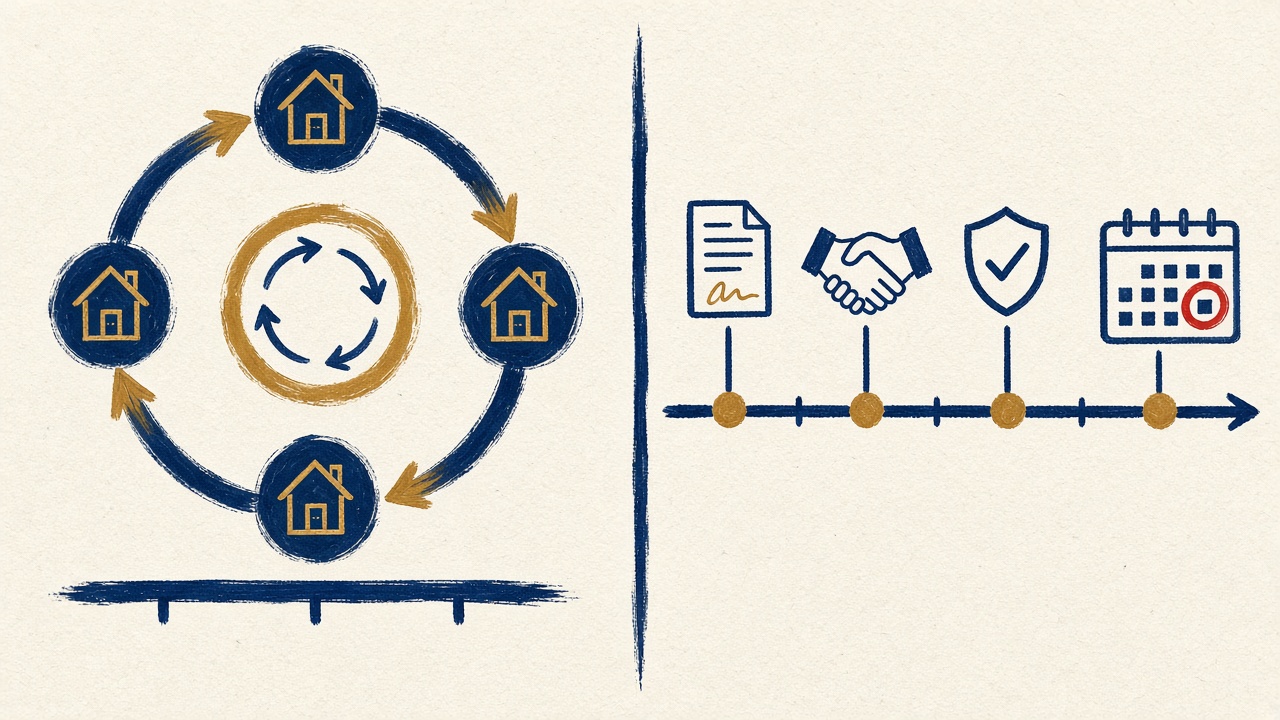
That is why some corporate landlords pushed 定期借家 in the 2000s: predictable vacancy dates. For households, the trade is the opposite of Kantō custom. You may avoid a renewal fee, but you also lose the default right to stay unless you renegotiate from scratch.
MLIT's housing bureau still notes that lump-sum charges, renewal fees included, vary by region because of commercial practice, not because prefectures set different statutes. The 2000 reform added a new contract species; it did not ban renewal fees on ordinary leases. Hokkaido agents in the same 2007 survey reported renewal fees on 28.5 percent of contracts, Hiroshima on 19.1 percent, and Fukuoka on 23.3 percent, a reminder that "eastern custom" is a gradient, not a border at Shizuoka.
The notice on the floor
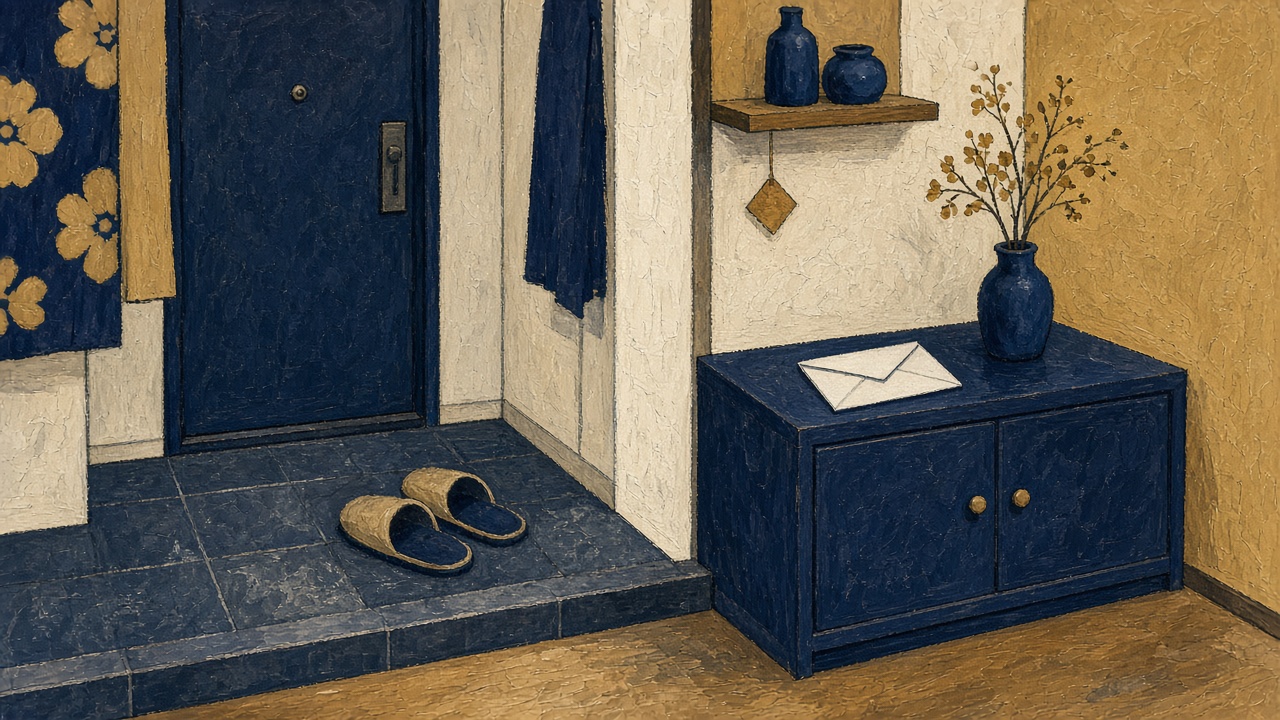
Back to the envelope on the shoe cabinet. For most eastern Japan renters it announces two linked events: the lease has extended under Article 26 unless someone objected in the statutory window, and the private clause in the contract now bills you for that continuation. The yen figure is negotiable only before you sign; afterward, MLIT's guidance treats a clear term as binding, and the 2011 Supreme Court decision gives landlords a national backstop.
Tenant lawyers will keep arguing that one-sided clauses harm consumers, and they will sometimes win on facts where the fee is wildly high or the disclosure was murky. They did not win for X on the basic validity question. The court kept the ¥76,000 on the ledger.
The notice itself is still just paper. It only bites because lawmakers made silence renew the lease, and because Kantō lease drafters learned decades ago to staple a one-month rent charge to that silence. In Osaka the same silence renews the lease too. The extra month simply never made it into the form.