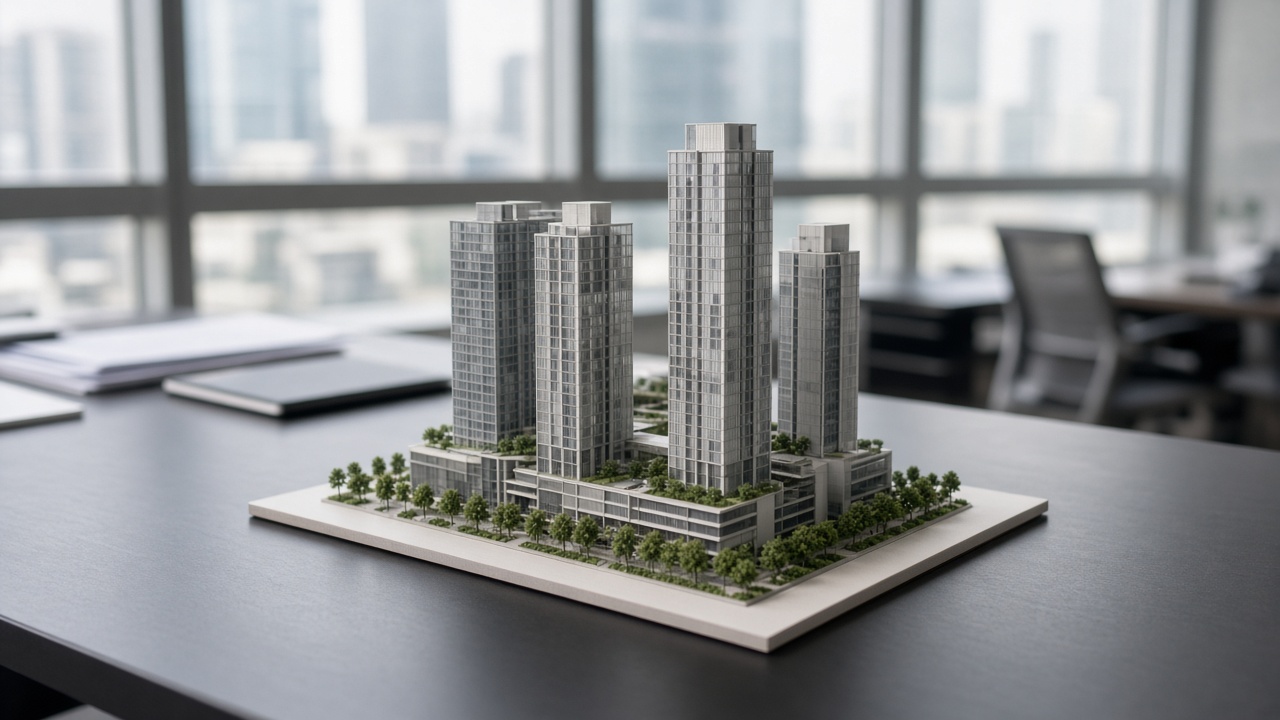
When only one developer bids for a Marina South parcel, the takeaway is not that land is cheap. It is that builders are still willing to write nine-figure cheques — but only when they do not have to outbid a rival in a public auction.
EL Development’s S$450.1 million offer for a 390-unit site works out to about S$1,243 per square foot per plot ratio. That is a serious number for a market coping with haze-disrupted showrooms and a global chip rout hitting sentiment.
Margin math beats bragging rights
Developers model launches against financing costs, construction inflation and buyer stamp duties. A second bidder might have pushed psf ppr above S$1,300, compressing margins before the first pile is driven. Going solo lets EL calibrate pricing against September’s 296 new-home sales rebound without revealing its ceiling to competitors.
Households should not confuse a single bid with weak demand. It signals disciplined capital allocation — the same discipline MAS expects from banks holding TLAC buffers.
Policy crosswinds
MAS left the Singapore dollar on a modest appreciation path this week while trimming its core inflation forecast. That helps developers manage imported material costs but does not erase ABSD friction for foreign buyers. Prime districts still depend on a thin slice of upgraders and regional wealth.
Government land sales are also a fiscal tool. Accepting one compliant bid still moves the site off the unsold inventory list and keeps the Greater Southern Waterfront narrative on track.
Who loses when competition stays home
Smaller developers without balance-sheet depth never entered this tender. That reduces diversity of architectural offerings but avoids a repeat of en-bloc fever where multiple winners later merged projects to survive.
Buyers waiting for fire sales should temper expectations: EL paid market-clearing value to itself. Discounts, if any, will arrive at launch marketing, not at the land tender.
The broader signal
Singapore’s property market in late 2026 is bifurcated — suburban volume recovering, prime land requiring surgical bids. A single-bid Marina South result fits that pattern better than a headline about a cooling market.
Until another marquee site attracts multiple offers, treat lone bids as prudence, not panic.
Contrast with en-bloc fever
Collective sales in older districts still fetch multiple bidders because time pressure differs: en-bloc committees face expiry dates, while GLS tenders allow developers to walk away. Thursday’s result shows walk-away power remains real when financing spreads widen.
Policy makers may prefer single bids that clear land over failed tenders that signal broken price discovery. The risk is slower innovation in unit layouts when one developer controls the entire parcel design.
Households should watch launch pricing, not tender drama
Owner-occupiers care about monthly instalments, not psf ppr on a government spreadsheet. EL’s land cost sets a floor, but discounts, payment schemes and timing relative to COE or renovation loans determine whether Marina South units clear.
If launch prices overshoot September’s 296-unit demand signal, the single-bid narrative flips from prudence to overconfidence. That is the number to watch — not how many envelopes sat on URA’s table at closing.