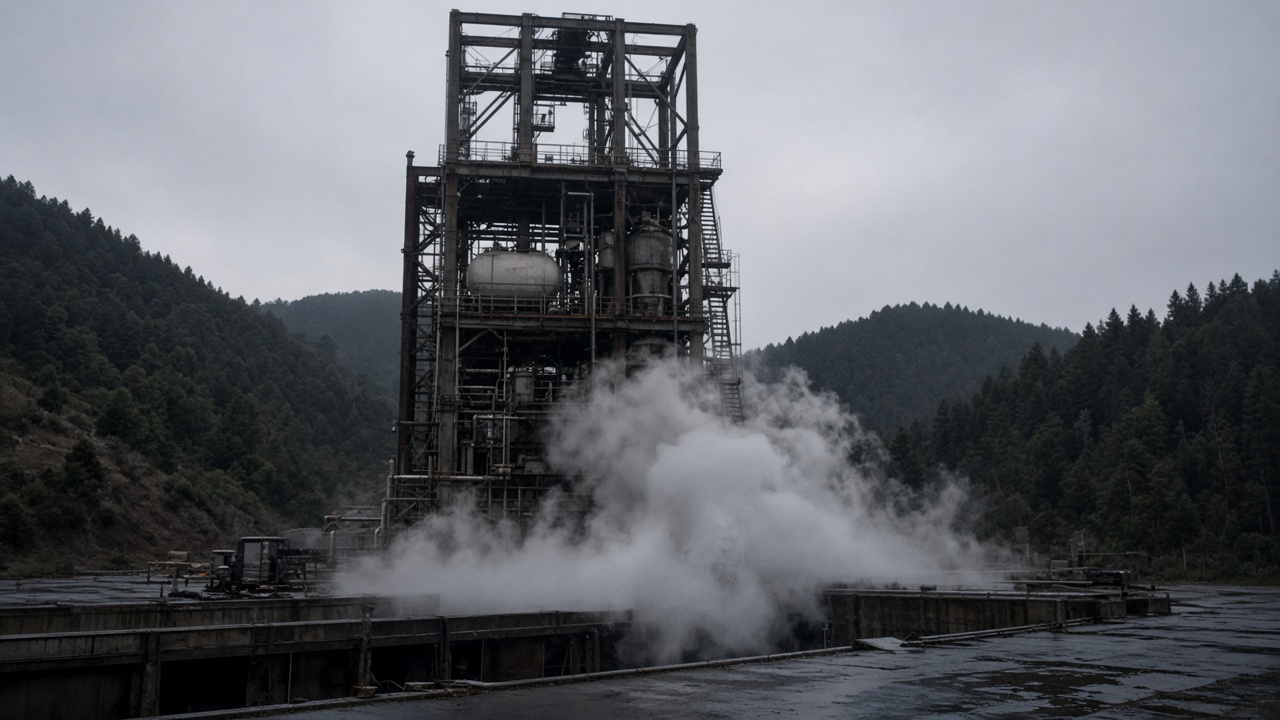
Indian Space Research Organisation engineers enter October with renewed confidence in the semicryogenic propulsion line after a 5 September hot test pushed the power-head test article to its full 200-tonne thrust rating at Mahendragiri, the milestone Chairman V. Narayanan had flagged as the gate before integrating the complete SE2000 engine.
What ISRO proved
The power-head article includes turbopumps, pre-burner and feed systems but not the thrust chamber. ISRO said the 9 September run was the first at 100 percent thrust, following successful tests at 47, 60 and 88 percent levels earlier in 2026. Turbopump outlet pressures hit 400 and 500 bar as predicted.
Engineers also validated switching propellant supply from a low-pressure start tank to a medium-pressure run tank, a step needed for longer-duration burns on upcoming integrated tests. Liquid oxygen and purified kerosene—branded isrosene—power the stage, which ISRO markets as cleaner than hypergolic cores.
Link to LVM3 and Gaganyaan
The semicryogenic SC120 stage is meant to replace the L110 core on the LVM3 launcher, pairing with an uprated cryogenic upper stage to lift heavier satellites and, eventually, crew modules. Gaganyaan hardware—including crew and service modules—is in assembly at Sriharikota, with uncrewed mission G1 still the immediate pacing item according to PIB briefings.
Narayanan has reiterated that three uncrewed flights will precede any astronaut mission, a schedule independent of the semicryogenic commercial upgrade but sharing the same propulsion complex workforce.
What comes next
ISRO’s next step is a hot fire of the full engine with thrust chamber attached, then qualification for the SC120 stage. Private sector suppliers in Tamil Nadu and Kerala who machine turbo pumps will see order flows rise if integrated tests stay on track.
For India's launch manifest, a successful semicryogenic core means fewer strap-on boosters for equivalent payloads, lowering per-kilogram cost to Sun-synchronous orbit—a competitive issue as ISRO bids for more commercial launches alongside NewSpace players.
Why it matters this month
With the southwest monsoon withdrawn nationwide on 15 October, coastal launch pads face fewer weather holds, traditionally opening a tighter window for stage shipments. ISRO has not published a date for the integrated engine test, but the September power-head success removed the largest technical unknown on the turbomachinery path.
Commercial customers watching the test include firms bidding for smallsat rideshare slots on upgraded LVM3 configurations. NewSpace India Ltd has not revised published per-kilogram pricing, but executives have said semicryogenic adoption could trim propellant mass enough to add one extra microsat per mission.