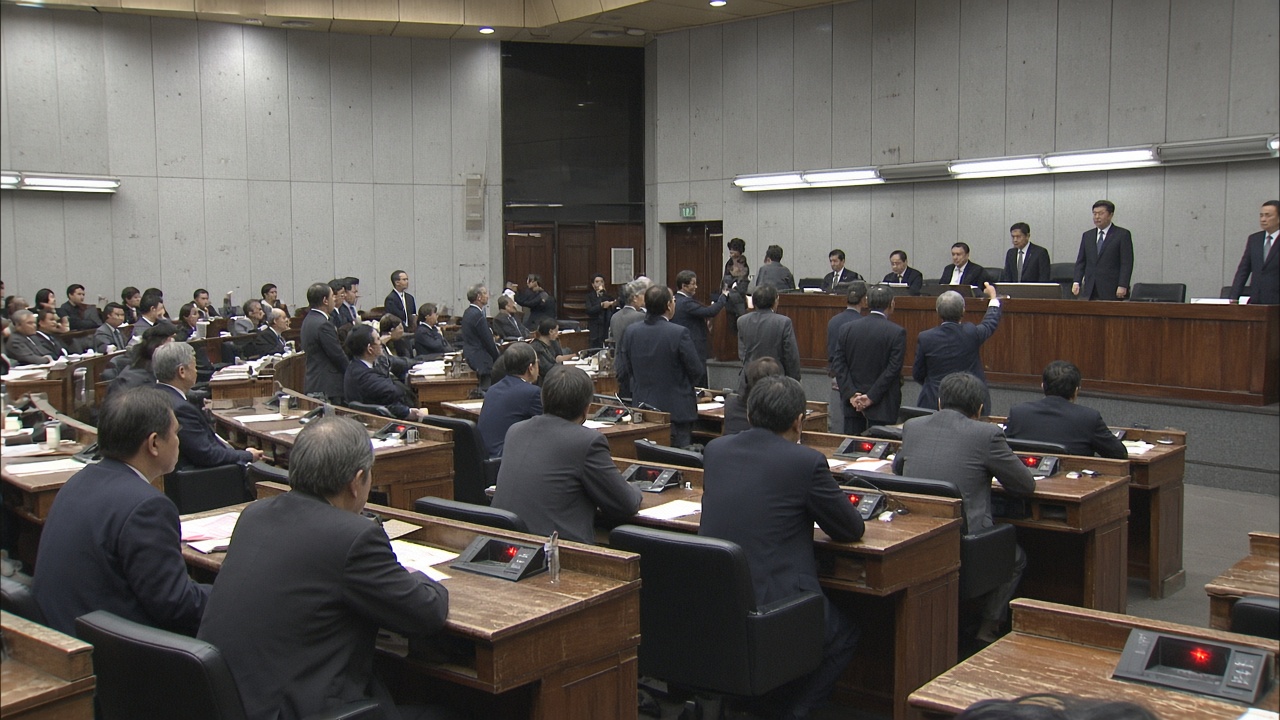
Taiwan's Legislative Yuan on Friday passed amendments to the Elderly Welfare Act that allow qualifying residents aged 65 and older to stop paying National Health Insurance premiums, with the central government covering the cost. Kuomintang and Taiwan People's Party lawmakers supplied the majority for final passage while the Democratic Progressive Party caucus voted against the package.
Opposition lawmakers also questioned whether the waiver would interact with existing premium subsidies for low-income households, urging the cabinet to publish a single calculator so seniors are not caught between city programs and the new statute.
Who qualifies and what changes
The revised Article 22 waives premiums for seniors 65 and up whose income-tax bracket stays below 20 percent. Proponents said the move would expand help beyond narrower municipal programs and give older households predictable relief on a mandatory charge. Critics in the DPP warned that NHI finances are already strained and that broad waivers could push costs onto younger payers.
The health ministry and National Health Insurance Administration have not published a full implementation calendar, but both sides expect city and county governments to handle verification so eligible seniors are not asked to file duplicate paperwork.
A roll call shaped by local elections
Because the measure was treated as a livelihood bill, several DPP legislators who are also running for county magistrate posts—including Shen Po-yang, Su Hsiao-hui, and Chen Ting-fei—were absent or did not cast votes, according to caucus whips and Taiwan media tallies. KMT campaigns quickly accused the absent lawmakers of hiding from an unpopular choice, while the DPP said the opposition rushed the vote without a bipartisan funding plan.
The TPP caucus said the passage partly delivers on founding chair Ko Wen-je's platform and framed the KMT partnership as the fastest route to deliver a tangible benefit before the Double Ten holiday weekend.
Fiscal spillovers for cities
Taichung's city government said its existing senior premium subsidy reaches only households in very low tax brackets; if the new law takes effect, officials estimate coverage could jump from about 80 percent of eligible seniors to roughly 93 percent while reducing local outlays. Other municipalities face different budget constraints, making the central reimbursement formula a likely campaign issue.
Economists cautioned that any political promise to shield seniors should be paired with published NHI fund projections, not just pre-holiday announcements.
What comes next
After presidential promulgation, implementing rules will set documentation standards and timelines. Legislative committees may summon health officials to explain long-term costs. For households, eligibility will still hinge on tax records and age verification; agencies asked seniors to wait for official guidance rather than acting on social-media rumors about automatic waivers.
Health Minister officials told reporters they would brief the cabinet on premium shortfalls within two weeks, a timeline opposition lawmakers said was too slow given the law's imminent promulgation.