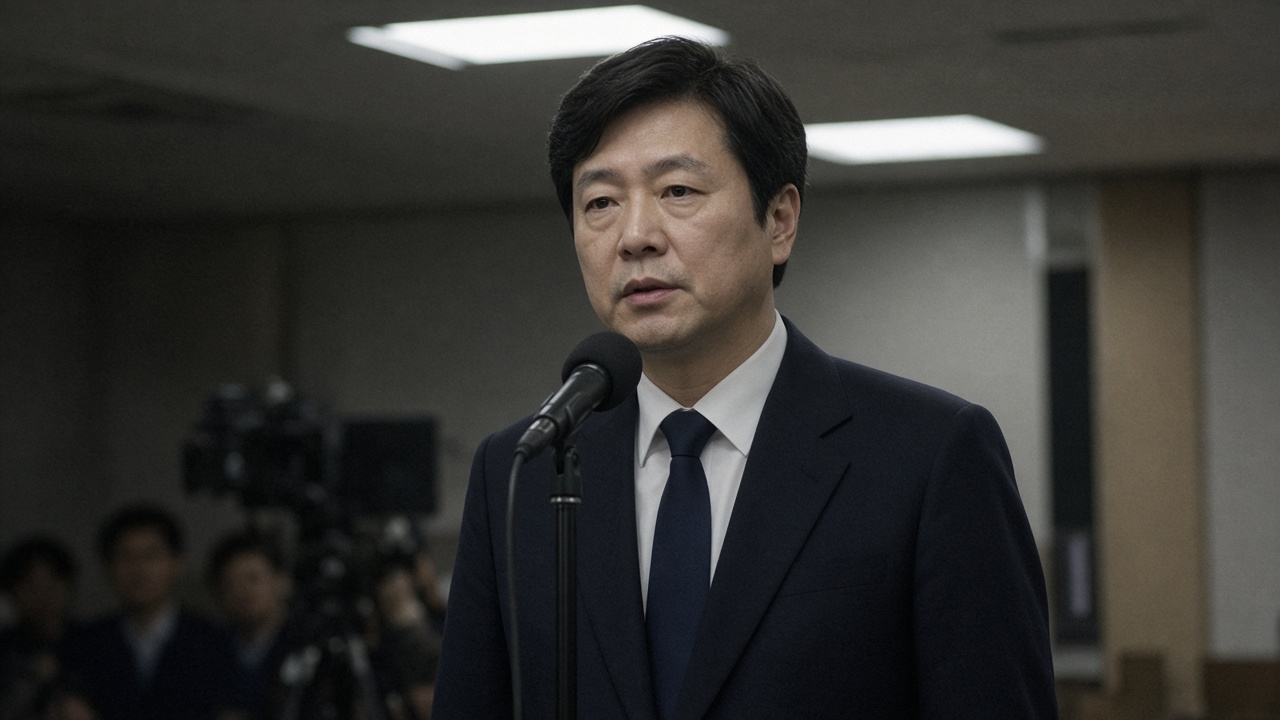
South Korea's ruling party leader moved Friday from demanding voluntary resignation to openly weighing impeachment against Chief Justice Cho Hee-dae, the latest turn in a weeks-long fight over who controls reappointments to the Supreme Court bench.
Democratic Party leader Kim Min-seok told the party's YouTube program "Minty 07" that "widespread calls" for impeachment mean the party has begun discussing "all methods and avenues," including the first syllable of the Korean word for impeachment—a rhetorical shift from earlier appeals for Cho to step down on his own. Kim said the party is now compiling a public case for why Cho cannot remain after clashes with the presidential office over so-called re-nomination procedures.
Why the court and Blue House are at odds
The dispute centers on whether Cho must send certain sitting justices back to the National Assembly for reconfirmation before their terms end. President Lee Jae Myung's allies argue Cho is delaying or reshaping that process; Cho's supporters say the court is protecting judicial independence. Kim had warned on Oct. 14 that patience was not unlimited, but Friday's comments were the clearest signal that impeachment votes are on the table before the current parliamentary session ends.
Two Judiciary Committee lawmakers from the Democratic Party, Kim Gi-pyo and Park Gyun-taek, joined the same broadcast and pressed for faster action. Kim Gi-pyo cited Cho's recent National Assembly testimony—in which he suggested lawmakers auditing his nomination powers could be unconstitutional—as grounds for impeachment now rather than later. Park argued that rejecting the president's appointment powers and refusing witness oaths could themselves qualify as impeachable conduct.
Opposition warnings and detention politics
The main opposition People Power Party warned that pursuing impeachment would backfire politically and accused the government of intimidating U.S. Forces Korea Commander Gen. Xavier Brunson after he said conditions for transferring wartime operational control had changed. PPP floor spokespeople said Seoul should protest North Korean provocations before rushing OPCON talks—a separate security debate that nonetheless colors how impeachment would be read abroad.
Kim also used the interview to urge the Supreme Court to extend detention for Kim Keon-hee, the spouse of former President Yoon Suk Yeol, whose custody period expires at month-end. He contrasted the speed of a ruling on Lee's election-law case with delays in the special-prosecutor probe involving the former first lady, a comparison Cho's critics have repeated in street rallies.
What comes next in the Assembly
Impeaching a chief justice requires a two-thirds vote in the National Assembly followed by review from the Constitutional Court. The Democratic Party holds a majority but would need opposition defections or abstentions to clear the supermajority threshold. Party whips have not published a timeline for introducing a motion, and Kim stopped short of promising a vote date Friday.
For now, the procedural fight remains in committee hearings and televised party media rather than on the plenary floor. Yet by putting impeachment into the official party lexicon, Kim has narrowed Cho's room to negotiate a quiet exit—and raised the stakes for every unanswered reappointment letter leaving the court administration building.