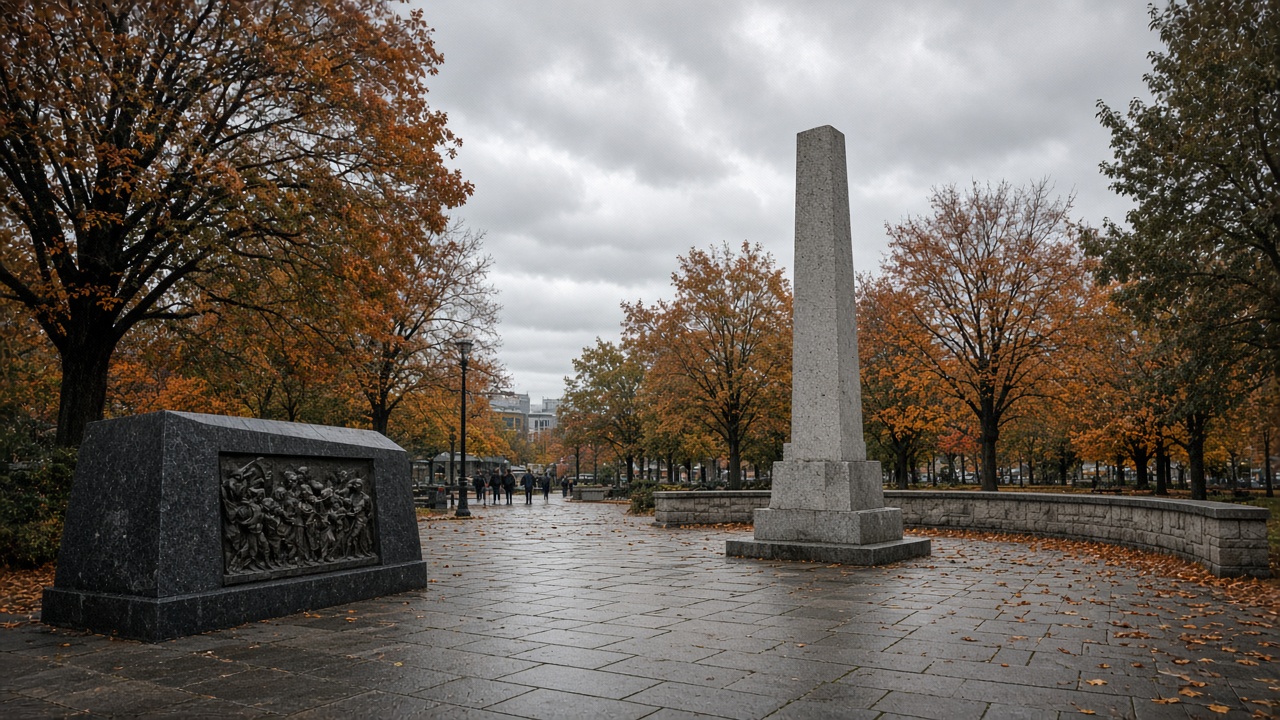
President Lee Jae Myung urged the National Assembly on Friday to open public consultations on constitutional reform, saying South Korea should explicitly honor the 1979 Busan–Masan democracy protests and the 1980 Gwangju uprising in the Constitution's preamble.
Speaking at the 47th anniversary ceremony for the Buma movement in Busan, Lee called the step the minimum required to remember citizens who challenged authoritarian rule. He argued that bipartisan pledges over the years to enshrine those struggles should now become legislative work rather than commemorative rhetoric.
What Lee proposed
Lee asked lawmakers to gather citizen input and hold structured debates on preamble language referencing the Buma and May 18 democratization movements. He linked the request to broader efforts to heal state-violence victims, promising that his administration would not ignore past abuses by government power.
The speech did not include a detailed amendment bill. Constitutional changes require supermajority support or a national referendum, depending on the path chosen, so the president's role is primarily to set the agenda for a fragmented Assembly already consumed by audit-season fights.
Assembly mood
Herald Business reported that the ongoing 25-day national audit has devolved into partisan clashes over President Lee's suspended criminal trials and the standoff over Chief Justice Cho Hee-dae's Supreme Court justice nominations. Opposition lawmakers say courts halted cases improperly; the ruling Democratic Party frames the pauses as constitutionally required for a sitting president.
Constitutional reform could either break the logjam—by giving both sides a historic project—or become another wedge issue if opposition parties demand unrelated concessions. Lee's framing as a democracy-memory issue is designed to appeal across camps, but past attempts stalled on electoral-system disagreements bundled into the same package.
Timing and stakes
Lee's fifth year in office will arrive quickly if the Assembly delays. Civil-society groups in Busan and Gwangju want preamble recognition before the next local election cycle, when regional identity politics peak. Foreign diplomats will watch whether debates stay symbolic or spill into basic-law changes affecting presidential powers.
For now, the actionable news is procedural: Lee has put constitutional consultation on the legislative to-do list. Whether Assembly leaders schedule hearings before the audit ends Oct. 30 will signal if the proposal is more than a commemoration-day applause line.
Previous constitutional debates foundered when parties linked preamble changes to electoral reforms, including discussions over lowering the voting age and adjusting district boundaries. Lee did not mention those items Friday, but opposition leaders may demand them if talks start.
Civic groups in Gwangju want May 18 language alongside Buma references, ensuring the 1980 uprising is not footnoted. They plan weekend rallies if the Assembly fails to schedule hearings before the audit recess.
Legal scholars note that preamble edits do not by themselves alter checks and balances, yet they signal normative priorities courts may cite in future human-rights cases. That symbolic weight is why both sides treat the issue as more than ceremony.