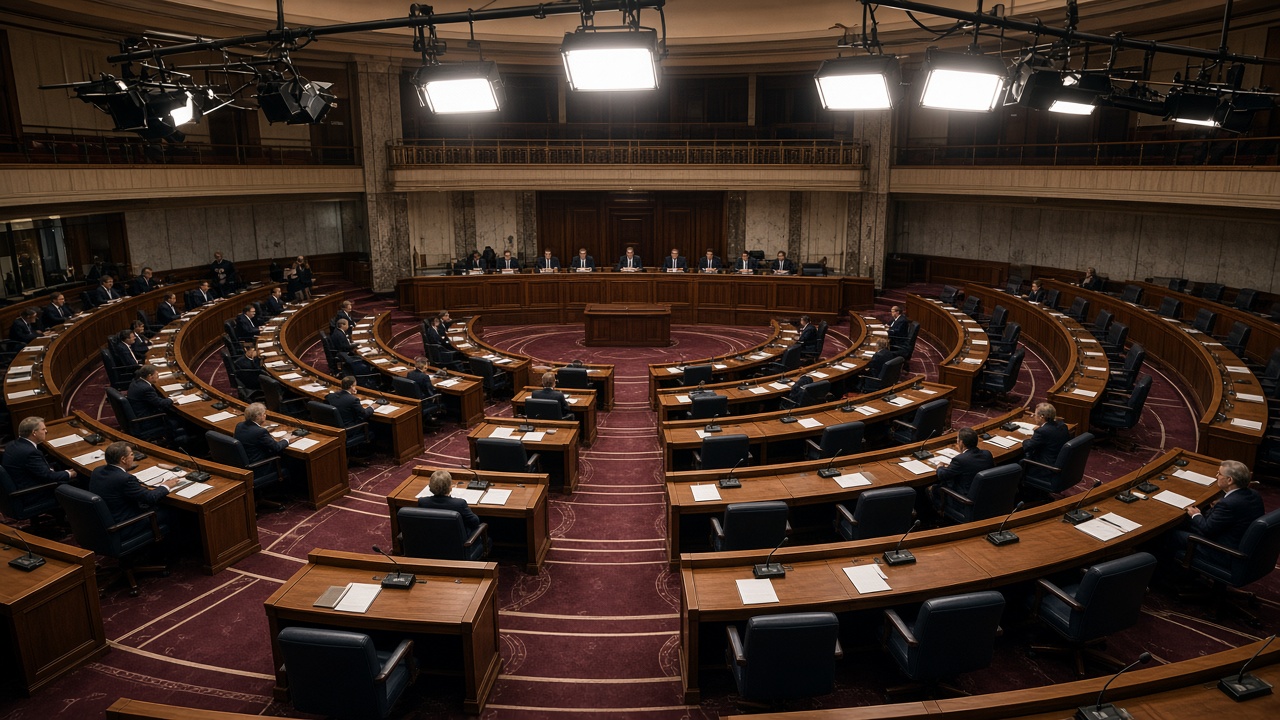
Taiwan’s Legislative Yuan voted along party lines on October 16 to advance a Chinese Nationalist Party (KMT) special act that would pay every eligible citizen NT$20,000 (US$618) in cash, bypassing the Executive Yuan’s NT$10,000 proposal that is folded into the fiscal 2027 central budget. The 52–40 tally, with the Taiwan People’s Party abstaining, keeps the larger handout alive for cross-party negotiations even as the premier urges lawmakers to prioritize orderly budget review.
What changed on the floor
The KMT caucus used its majority to skip committee deliberation and send the bill directly to a second reading, a procedural shortcut opposition leaders defended as necessary to deliver relief before November 28 local elections. Cabinet spokesperson Michelle Lee reiterated on October 15 that the legally sound path remains the NT$10,000 line item, which could reach households before Lunar New Year if the annual budget clears on schedule.
Democratic Progressive Party whip Tsai Chi-chang said the party does not exclude larger transfers if growth permits, but warned that the legislature cannot unilaterally raise spending without an Executive Yuan proposal—a constitutional division the KMT rejects as hiding behind bureaucracy while families face higher grocery and mortgage costs.
Other welfare moves the same day
Hours earlier, lawmakers passed third-reading amendments subsidizing National Health Insurance premiums for seniors meeting income tests, a measure the health minister said would cost about NT$40 billion annually if fully implemented. DPP critics argued that combining premium waivers with open-ended cash pledges without revenue plans risks crowding out long-term care investments.
Cross-party negotiators also agreed to invite Premier Cho Jung-tai to report on supplemental and annual budgets at the end of October, a session that will test whether cash-handout politics derails broader fiscal debate.
Electoral stakes
Local executives campaigning in Taichung and Kaohsiung seized on the NT$20,000 figure in weekend rallies, while municipal finance directors quietly modeled how delayed central transfers could squeeze county cash buffers if disbursement slips into 2027. Business groups asked for clarity on whether handouts would be taxable or count against social assistance thresholds—details the special act leaves to future administrative orders.
What comes next
Under the current legislative calendar, the special act could reach general consideration as early as November 17 if party whips schedule time amid school-lunch and pension bills also stuck in negotiation. Financial markets, still digesting a record foreign sell week, will treat any hint of unfunded spending as a rates story before it becomes a pocketbook story.
For now, Taiwan has two competing handout numbers and one budget clock. The October 16 vote did not choose between them; it simply kept the higher figure on life support long enough to shape the local election narrative.