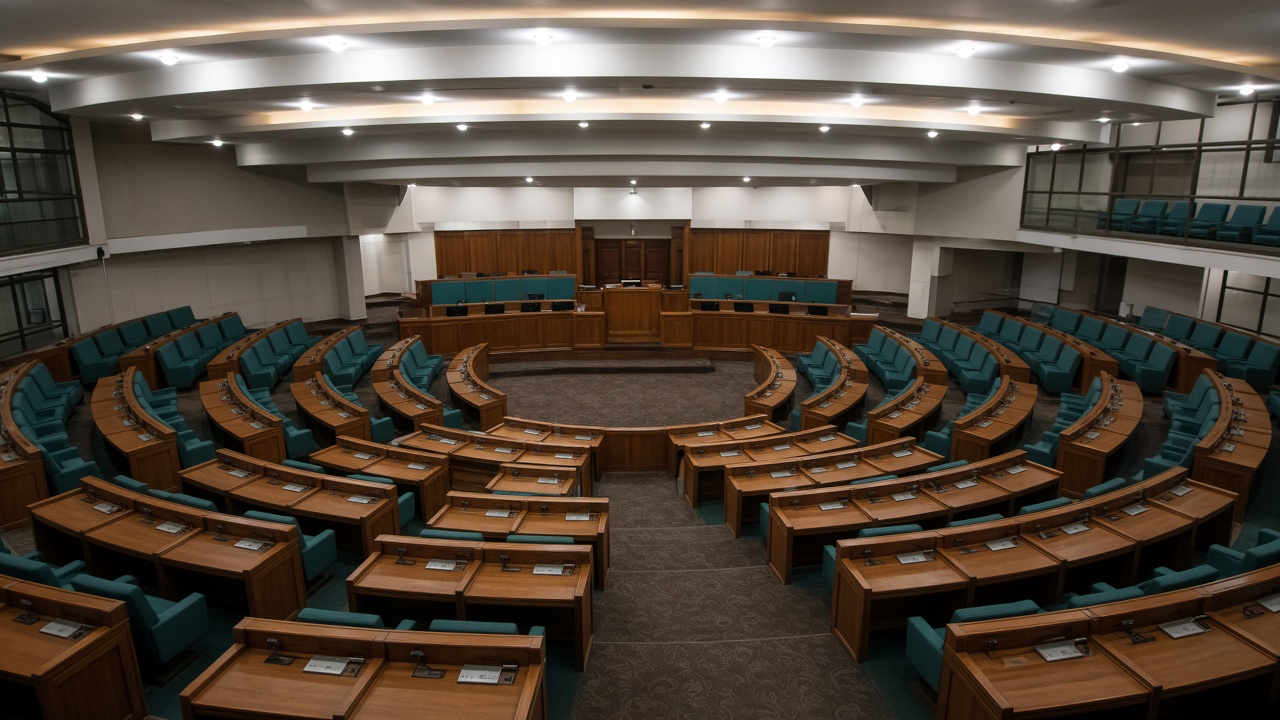
InfoHandle Editorial — Taiwan’s legislature finished the week by gifting seniors a free National Health Insurance premium, then went home without showing who will pay for it.
A popular vote, a missing line item
The revised Senior Citizens Welfare Act waives monthly NHI fees for people 65 and older who sit below the 20 percent income-tax bracket. Parties raced to claim credit ahead of November’s local elections, with the Taiwan People’s Party touting the idea and the Democratic Progressive Party scrambling to match it after days of attack ads.
What did not arrive was a matching appropriation. The Budget Center’s latest brief shows elderly-related benefits rising from NT$362.7 billion in fiscal 2000 to NT$1.3016 trillion in 2024—a 2.58-fold increase—while Taiwan becomes a super-aged society faster than prior forecasts.
Younger workers will feel it first
NHI relies on payroll splits. When premiums for one cohort disappear without new revenue, the shortfall eventually flows to everyone else through higher contribution rates or thinner benefits. Finance officials already warned that competing cash-handout bills could crowd out childcare and long-term care programs that super-aged Taiwan needs more than another premium holiday.
Do it honestly or do not do it
If policymakers believe seniors should not pay, they should raise tobacco, capital-gains, or estate taxes in the same bill and publish a ten-year scorecard. Passing the waiver without that math turns health insurance into an election IOU. Taiwan deserves welfare expansions that come with pay-fors, not press releases that expire after ballots are counted.
A better model
Countries that expanded senior benefits without new taxes eventually hiked payroll contributions or trimmed drug reimbursement lists. Taiwan’s NHI enjoys high satisfaction scores precisely because copays stayed modest; eroding the funding base for a campaign applause line risks the bipartisan goodwill the system needs when the next pandemic arrives.
Lawmakers should reopen the debate in November with a published pay-for menu—higher sin taxes, a luxury-home surcharge, or slower military procurement—to show voters the trade-offs. Until then, this waiver is a promise written on someone else’s tab.