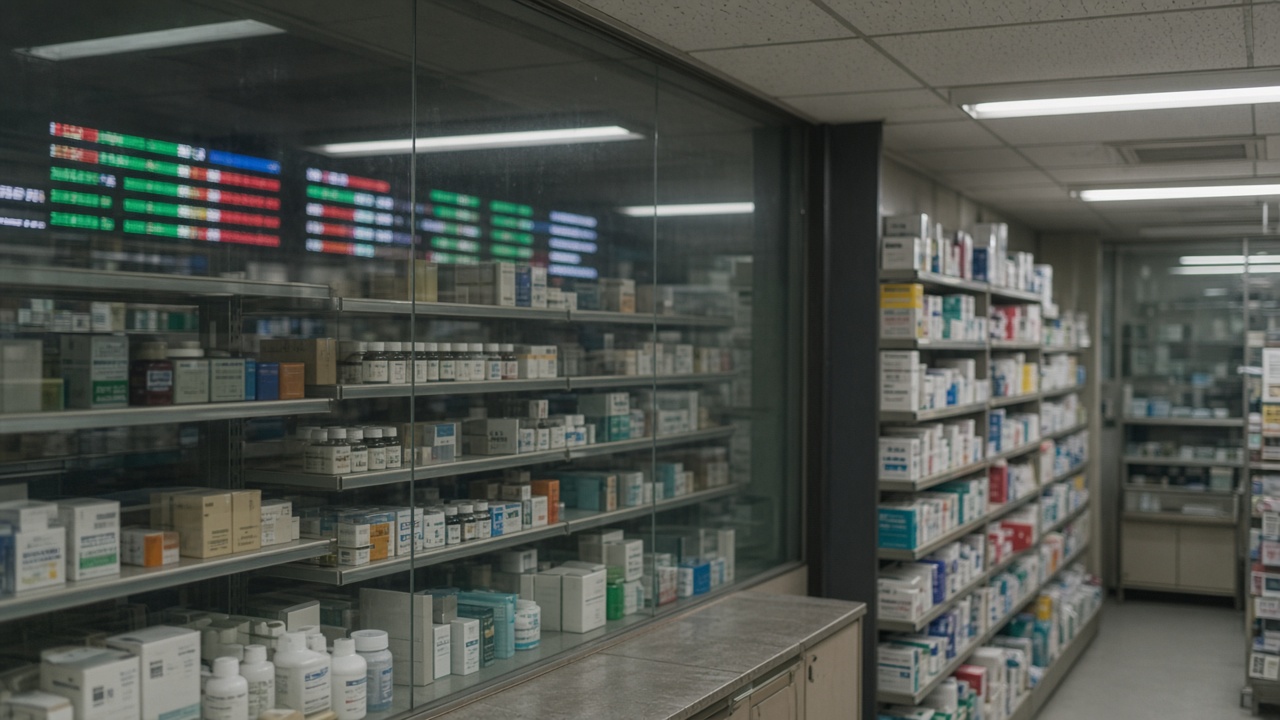
Domestic drugmakers and consumer-staples shares anchored Nikkei positioning into Sunday’s quiet session as portfolio managers rotated away from chip-heavy exporters that absorbed most of Friday’s yen-driven swings, betting the Bank of Japan’s Oct. 29–30 meeting will reward defensives if Governor Kazuo Ueda keeps tightening language intact. Ryo Tanaka’s stocks desk reads the setup as a Tokyo-specific hedge: when Ueda says underlying inflation is close to 2 percent and cannot be allowed to rise further, funds reach for cash-generative names less exposed to dollar earnings translation.
Friday’s exporter split
Friday’s cash session left a familiar split—semiconductor equipment and memory suppliers moved with offshore AI sentiment, while rail operators, brewers, and pharmacy chains traded closer to the Topix domestic demand basket. After Ueda’s comments in Bangkok on the sidelines of G-20 finance meetings, overnight Nikkei futures implied a modest premium for staples over the Nikkei 225 equal-weight gauge, a pattern Tanaka saw in flow reports from domestic asset managers positioning for a volatile auction week in Japanese government bonds.
Pharma names drew attention as influenza clinics reported another rise in patient counts and schools logged more closure days; investors treat vaccine and OTC cold portfolios as early-cycle beneficiaries even when volumes are not yet at pandemic peaks. Retail conglomerates with dense convenience-store networks also screen well when wage settlements and energy pass-throughs stay in headlines but do not yet crush margins.
BOJ week as the catalyst
The policy board convenes Oct. 29–30 with markets debating whether the quarterly outlook report will upgrade underlying inflation language. Tanaka notes domestic staples historically outperform in the five sessions before BOJ decisions when rate-hike odds rise but are not certainties—insurers and banks benefit from yield normalization, while exporters fear yen appreciation. Pharma and retail sit in the middle: they borrow at higher rates but sell mostly in yen to aging households.
Derivative desks price roughly a coin-flip for a hike by year-end, with October still a live but not consensus meeting. That ambiguity favors quality factors—return on equity, balance-sheet net cash—over beta to the Philadelphia semiconductor index.
What traders are watching besides chips
Foreign investors remained net sellers of Tokyo cash equities for much of the past month, according to exchange weekly tables, leaving domestic active funds as the marginal price setters. Their models overweight sectors with predictable dividends when U.S. megacap tech guidance wobbles. Tanaka highlights drug wholesalers and supermarket operators as beneficiaries when tourism flows stay strong yet inbound spend rotates from luxury Ginza toward everyday goods.
Real-estate investment trusts linked to suburban retail also appeared on short lists after Ministry of Land data showed resilient foot traffic in regional cities, though higher JGB yields cap multiple expansion.
Risks to the defensive tilt
A dovish BOJ surprise—delaying guidance on further hikes—could snap leadership back to exporters enjoying yen weakness. Flu season severity beyond current surveillance could strain clinic capacity without lifting pharma profits if government price controls bite. Tanaka also flags fiscal headlines: if Takaichi’s cabinet softens bond-issuance caps, rate-sensitive staples could sell off with banks.
Monday open checklist
Index arbitrageurs will watch USD/JPY in the first hour, U.S. tech futures, and any Ministry of Finance pre-auction guidance. For sector funds, the tell is whether Topix food and pharmaceuticals outperform the Nikkei 225 by more than 30 basis points on the open—a threshold that triggered follow-on domestic buying in prior BOJ weeks this year.
Bottom line
Pharma and retail are not glamorous leadership, but they fit a pre-BOJ Japan book that doubts another exporter melt-up. Until Ueda’s board prints its October decision, defensives are the Tokyo session’s default anchor.