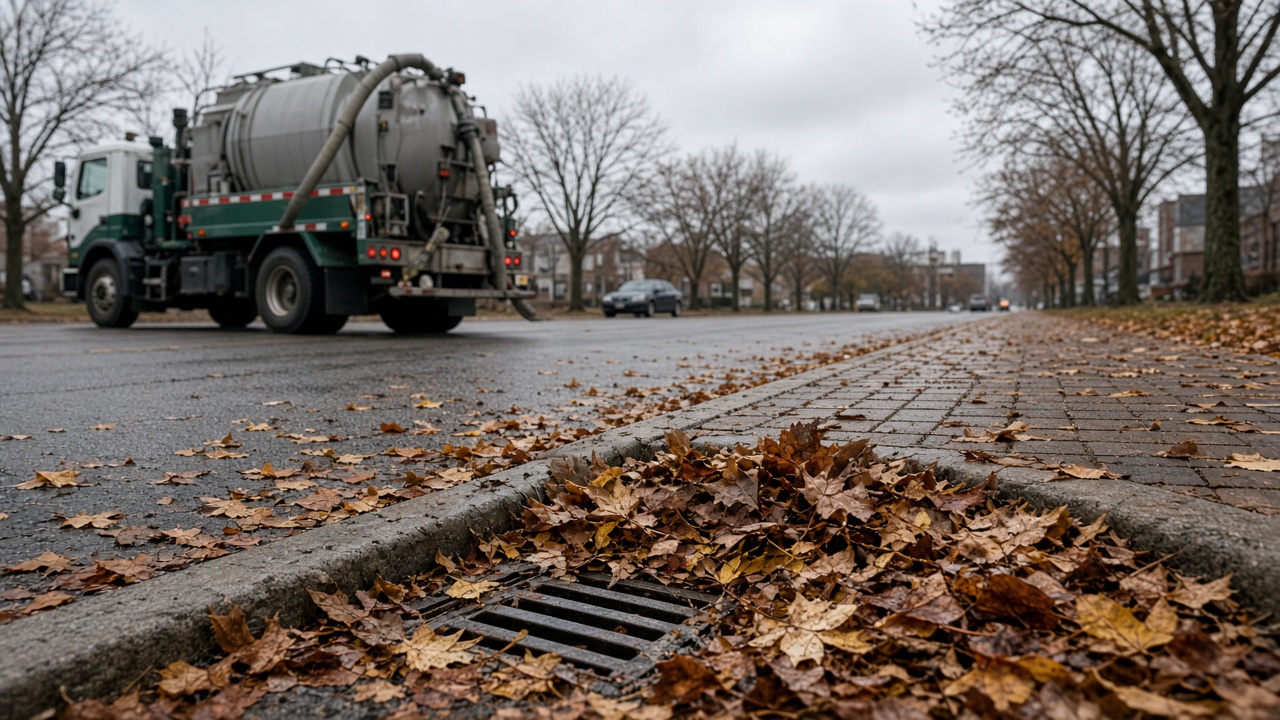
Sunday’s Seoul flooding was not a surprise storm: the Korea Meteorological Administration warned Thursday that autumn leaves could clog drains when a trough resembling a cold front crossed the peninsula. What failed was maintenance culture—catch basins treated as optional until emergency texts blared at 3:16 p.m.
We should stop pretending leaf season is an act of God. Gangbuk’s 53.5-millimeter hourly peak matched forecasts; shop owners clearing grates with brooms did more than some ward budgets allocated all month.
Budget signals matter
Seoul activated rainwater pumping stations and Level 1 emergency protocols—appropriate firefighting, not prevention. District offices track leaf vacuum hours, but KPIs spike after TV footage, not before KMA briefings. That incentives pattern guarantees knee-deep scenes near Yeonsinnae every few years.
National assembly members will demand audits, as they should, but audits after flooding cannot substitute for payroll lines that hire seasonal crews in October instead of December.
Technology is not absolution
Expanding IoT drain alerts and Naver’s flood routing layer are welcome. They do not remove leaves. Vendors selling smart-city kits should be required to pair hardware with maintenance funding benchmarks, or cities will buy dashboards while grates stay buried.
Metro flood-gate audits from the Ministry of Science and ICT show the same story underground: equipment exists, logs do not. Governance beats gadgets.
Equity across wards
Songpa recorded only 20 millimeters cumulative while Gangbuk hit 65—geography matters, yet every ward shares leaf fall. Resource allocation should follow pipe age and canopy cover, not political photo ops at Olympic Park cancellations.
Private venues like the Grand Mint Festival need clear contracts on who clears adjacent basins; public emergency texts should not be the first notice event organizers get about drainage next to their stages.
What we recommend
Fund calendarized leaf removal tied to KMA weekly outlooks, publish ward-level grate clearing logs, and penalize contractors who skip documented sweeps. Keep smart alerts, but score officials on dry-underpass mornings—not on how fast they tweet after cars stall.
Sunday’s damage bill—insurers already tally tens of billions of won—should buy fewer press conferences and more vacuum trucks. Readers deserve a capital city that treats autumn maintenance as predictable as the leaves themselves.
Insurance and incentives
When insurers tally tens of billions of won in storm claims, premiums eventually rise for shop owners who did nothing wrong. That socialized cost should push cities to treat leaf sweeps as loss prevention, not optional beautification.
We will watch whether IoT dashboards become excuses to delay vacuum trucks. Data without trucks is theater; trucks without data are guesswork. Seoul needs both on a calendar tied to forecasts, not to trending photos.