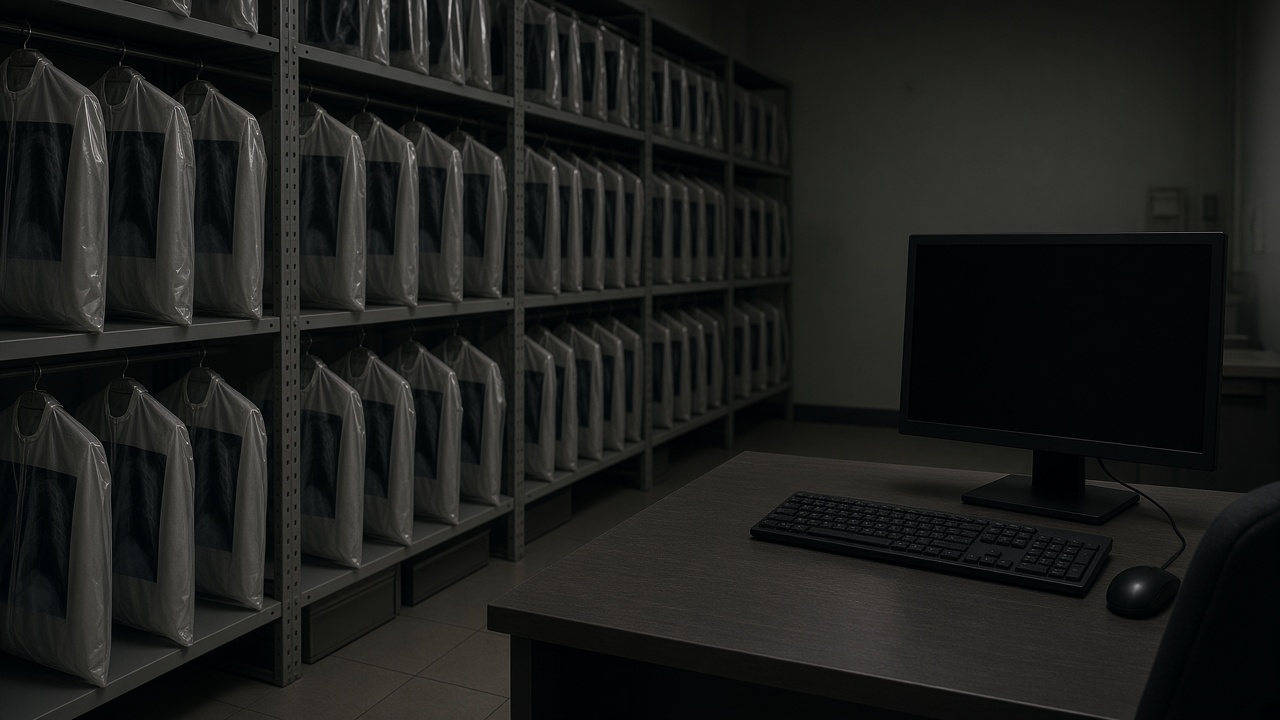
Hunter Neurology in New South Wales is investigating a cyber extortion claim after the previously obscure group N0n listed the practice on a leak site, alleging it exfiltrated more than 15,000 patient images, 11,000 letters and hundreds of laboratory results.
What the gang published
According to monitoring service ransomware.live, N0n posted file counts on 13 October, including four weekly backup snapshots. The gang is classified as emerging, meaning security researchers treat the data as unverified until the clinic or authorities confirm a breach.
Cyber Daily reported on 15 October that Hunter Neurology had engaged incident responders but had not publicly confirmed patient data theft at that stage. The practice serves the Hunter region with outpatient neurology and imaging referrals.
Why specialists are targets
Small specialty clinics often run lean IT teams while holding rich clinical records—MRI slices, consultant letters, and pathology that together map a patient's neurological history. Extortion crews increasingly catalogue such practices because ransom payments may be smaller than hospital budgets but data resale value on criminal forums remains high.
MedRisk analysts note that stolen imaging plus correspondence enables targeted phishing: emails referencing real diagnoses are far more convincing than generic Medicare scams.
Regulatory path
If confirmed, the incident would trigger Notifiable Data Breach obligations under the Privacy Act, with the Office of the Australian Information Commissioner expecting patient notification and credit-monitoring offers where identity theft risk is high.
Services Australia separately continues investigating an unrelated dark-web claim involving Medicare numbers; patients should not conflate the two events but should be alert to any caller citing specific neurology appointments.
Defensive lessons
Industry groups recommend offline backups, phishing-resistant multi-factor authentication on remote desktop gateways, and quarterly restore tests. For neurology groups sharing imaging with hospitals, federated identity links need logging so rogue sessions trigger alerts.
N0n's motivation—ransom, reputation, or proof-of-hack marketing—remains unclear. What is clear is that another Australian clinic name has appeared on a public countdown clock, forcing staff to triage patients while forensic teams image servers.
Hunter Neurology patients should await official notice before assuming their records leaked, but the claimed numbers, if validated, would rank among the year's most sensitive medical data exposures.
Local impact
Community groups said the issue remains a talking point in regional centres, where services are thinner and travel costs amplify every policy shift. Local MPs reported higher constituent mail over the past fortnight, suggesting the story has cut through beyond specialist audiences.
Specialists interviewed by commercial radio stressed that individual circumstances vary, and that anyone affected should seek advice from accredited professionals rather than informal online forums.