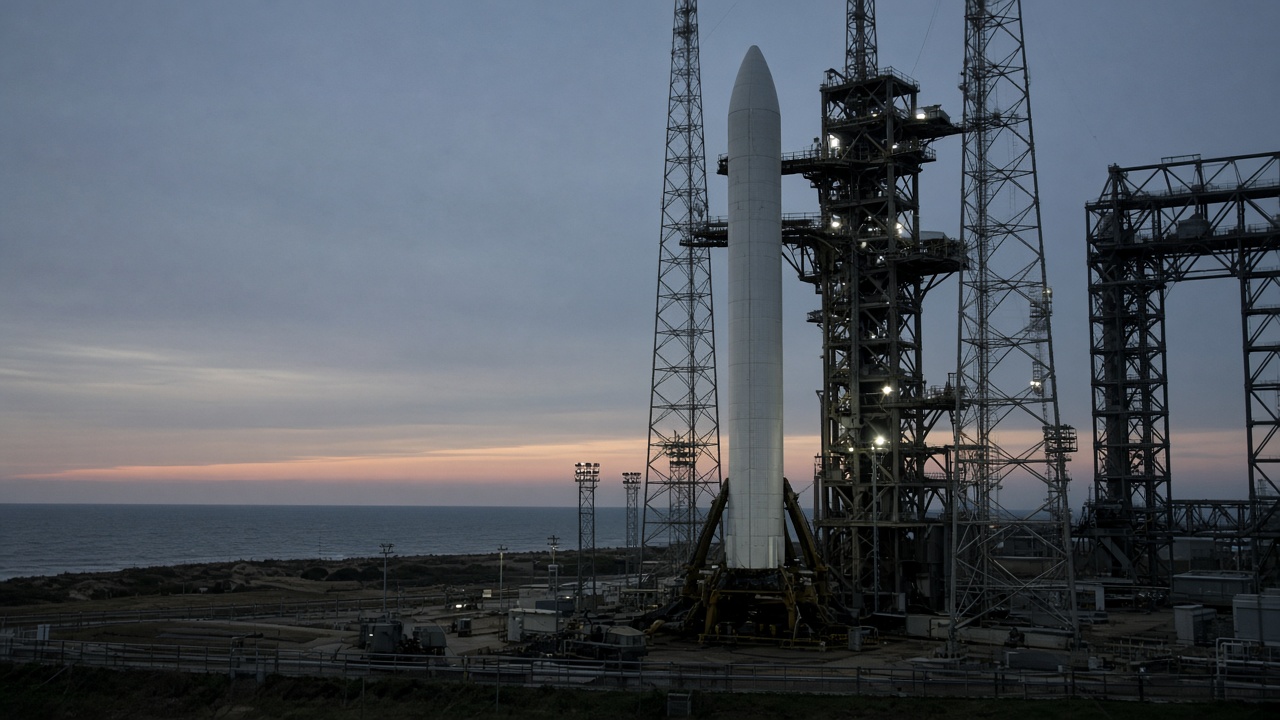
JAXA and Mitsubishi Heavy Industries narrowed the next H3 launch to a late-November window for an HTV-X cargo mission toward the International Space Station, pending final range-safety sign-offs at Tanegashima after a clean static-fire test. Sora Matsumoto’s science desk says the schedule keeps Japan in the station resupply queue even as partners debate post-2030 station transitions and commercial crew vehicles compete for manifest slots.
Mission profile
The flight will carry pressurized supplies, experiment racks, and battery modules for Japanese and partner segments. HTV-X improves automated docking over earlier Kounotori vehicles, reducing crew time spent on capture operations. Payload mass targets align with H3’s upgraded second-stage performance following reliability fixes after early-flight anomalies.
Science teams booked rodent habitat cells and materials-science furnaces that require late loadings; the launch window slides within November to accommodate ISS phasing constraints and solar beta angle limits.
Vehicle readiness
Engineers completed a static firing of the LE-9 first-stage cluster without aborts, checking vibration profiles against revised avionics installed after 2024–2025 investigations. Solid rocket boosters and fairing separation systems were requalified over the summer during a busy manifest that included defence and commercial rideshare missions.
Range officials review debris models and fishing-zone notifications this week; typhoon season tail risk keeps contingency days on the calendar.
International context
NASA and partner agencies rely on Japanese cargo for water reprocessing cartridges and spare parts that commercial carriers sometimes deprioritize. A successful HTV-X flight would restore confidence after schedule slips tied to H3 certification, supporting JAXA’s bids for Gateway logistics studies.
Commercial launchers quoting lower prices still lack HTV-X’s berthing flexibility for oversized external pallets—Japan’s niche in the partnership.
Industrial spillovers
MHI’s launch division cross-trains technicians with defence missile programs; manifest stability helps retain skilled welders on the Tanegashima coast. University payloads riding in small cubesat dispensers share the integration queue, giving students flight heritage if mass margins allow.
Backup dates and weather
Mission managers reserved backup days in early December if typhoon tracks disrupt Tanegashima operations. Fishing cooperatives received revised exclusion-zone maps; JAXA’s public viewing tickets for the attempt sold out within minutes, reflecting sustained domestic interest after prior H3 milestones.
Bottom line
Late November is the working H3 window for HTV-X station cargo, assuming range safety clears after static-fire success. For JAXA, on-time resupply is the proof point that H3 is operational—not experimental—heading into a crowded 2027 manifest.