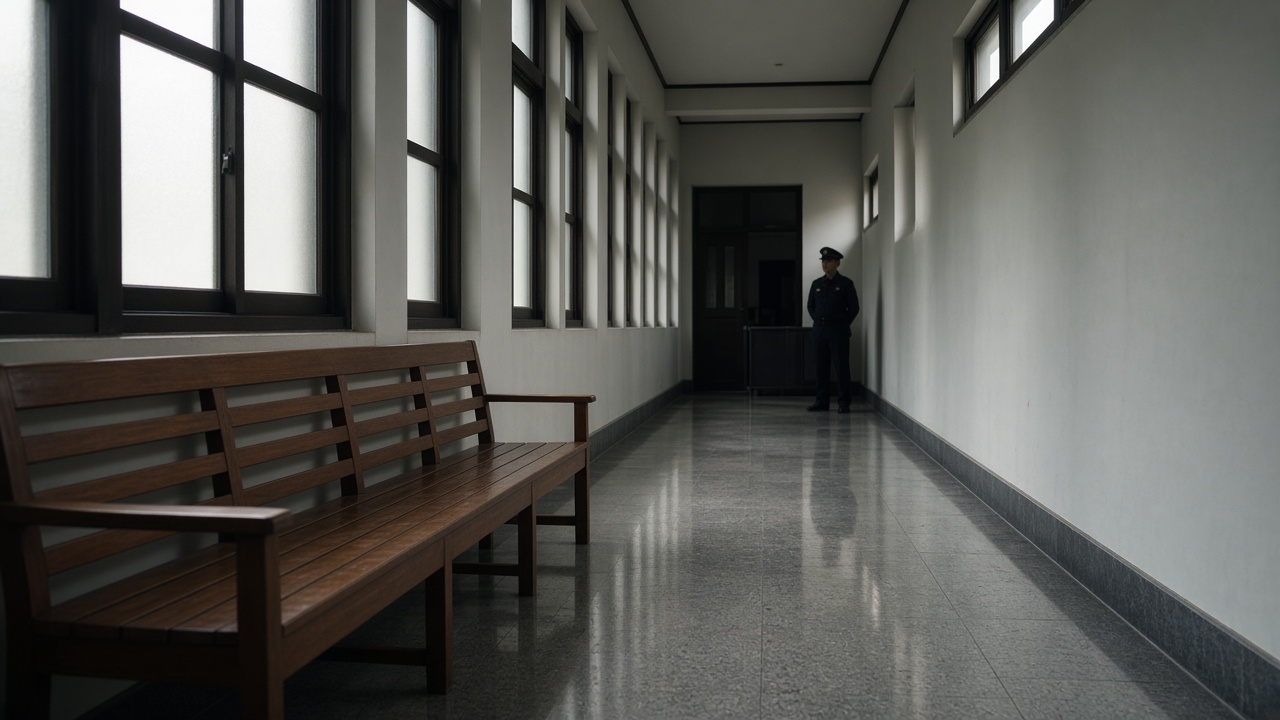
The Taiwan High Court on Monday ordered two retired service members to remain in custody without visitation bans after Taiwan High Prosecutors Office indicted them for allegedly collecting and delivering classified military material to Chinese contacts in exchange for cash payments. The ruling followed an afternoon transfer hearing in Taipei, where judges cited the severity of national-security charges and concerns that evidence on mobile devices had been deleted.
Charges the prosecution filed
Prosecutors said a former military police servicemember and a former air force servicemember, both already discharged, passed defense-related documents to mainland operatives between 2023 and 2025. The indictment lists violations of national security laws, state-secrets protections, and anti-corruption statutes, with prosecutors seeking enhanced sentences because the material could affect combat readiness. A coast guard employee and another veteran were charged separately for helping move payments, including cryptocurrency routed through third-party wallets.
Why the court kept detention
Judges found probable cause that the crimes carry minimum sentences above five years and noted investigators’ allegation that the defendants erased messages after earlier detention. The court said releasing them would impede ongoing searches for additional accomplices. Defense counsel may appeal, but Monday’s decision means the pair return to detention units without the stricter no-visit conditions prosecutors initially sought for one defendant.
Payment amounts alleged
According to the indictment summary reported by Central News Agency, prosecutors traced about NT$880,000 in payments to the former military police defendant and roughly NT$515,000 combined to the air force defendant and an alleged accomplice who provided bank accounts. Investigators said another veteran received cryptocurrency worth about NT$434,000 for laundering proceeds. The figures are modest compared with commercial espionage cases but prosecutors argued the sensitivity of military data magnifies the harm.
Investigation timeline
The Ministry of Justice Investigation Bureau opened the case under Taiwan High Prosecutors Office direction earlier this year, focusing on contacts made after the defendants left active service. Prior detention orders were in place before Monday’s indictment transfer; a coast guard suspect was released on bail with travel restrictions. Prosecutors emphasized that one veteran had a previous military-secrets case, framing the latest charges as repeat conduct.
Political and security context
Executive branch officials have warned that Beijing combines military pressure around the Taiwan Strait with human-intelligence efforts targeting retired personnel who retain knowledge of bases and procedures. Monday’s hearing did not address cross-strait policy, but lawmakers from multiple parties called for faster security debriefings at discharge. Defense ministry spokespeople declined additional comment while the trial schedule is set.
What happens next procedurally
The High Court will assign a panel to hear evidence over the coming months, with classified material likely reviewed in closed sessions. Investigators said they are still tracing digital wallets and overseas travel records tied to the payment chain. For Taiwan’s security agencies, the case is a reminder that retirement does not end obligation to protect classified information—and that courts are willing to keep defendants jailed when prosecutors show deletion of evidence and flight risk alongside alleged espionage for pay.
Support for affected units
Defense officials said units referenced in the indictment are reviewing access logs and rotating credentials for systems the defendants may have touched before discharge. Counseling hotlines for active-duty personnel were promoted in internal newsletters, emphasizing that reporting suspicious approaches is protected. Legislators from the defense committee requested a classified briefing on whether similar recruitment patterns appear in other theaters, a request the ministry said it would accommodate after trial scheduling firms up.
Public messaging
Justice ministry spokespeople urged citizens not to speculate about classified details on social media, warning that leaks can aid foreign intelligence services assessing what Taiwan already knows. They pointed to secure reporting lines for veterans who receive suspicious recruitment pitches, promising that good-faith reports will not trigger automatic investigations of the reporter.
Legal aid groups said they will monitor the trial for fair procedure while respecting secrecy rules, a balance prior espionage cases struggled to maintain when media pressure peaked. Court administrators asked journalists to use designated camera zones during future hearings to avoid broadcasting identifiable images of jurors or witnesses in related cases. Families of the accused declined comment Monday, citing counsel’s advice to avoid public statements while motions are pending.