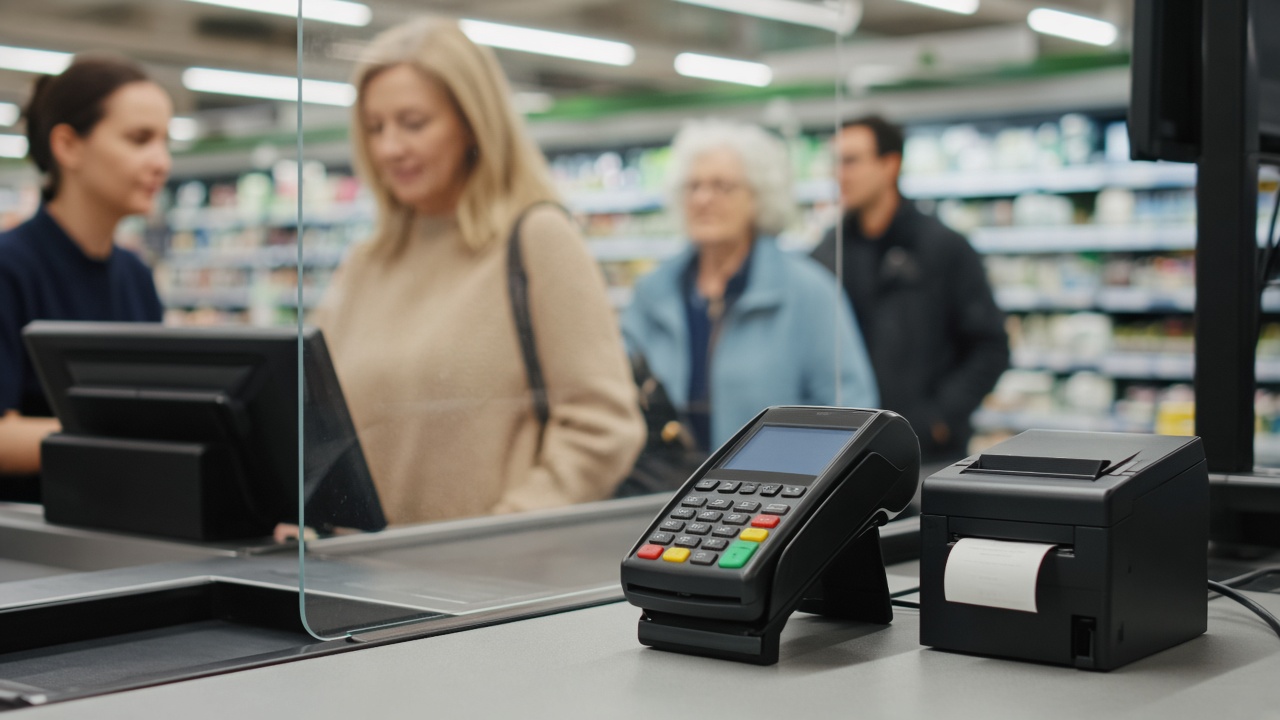
Japan’s card acquirers and large issuers started technical drills this week on how checkout terminals should print 1 percent consumption tax on food and beverages from April, warning merchants that mixed baskets of taxed and reduced-rate items could trigger receipt mismatches and higher chargeback volumes if labels lag parliamentary approval.
Why POS software matters
A food-tax cut sounds like a pricing story, but for credit-card operators it is a metadata problem. Terminals must separate reduced-rate lines from the standard 10 percent rate on non-food items, pass correct tax codes to settlement files, and display compliant receipts for corporate card audits. Domestic networks said they are publishing reference tables for convenience stores, supermarkets, and restaurant chains that overhaul menus seasonally.
Issuers told the Consumer Credit Association working group that ambiguous receipts were a top source of B2B disputes even before the proposed change. Adding a temporary 1 percent band raises the risk that a rushed firmware patch misclassifies bento boxes with standard-rate utensils or alcohol pairings.
Issuer economics
Lower tax on groceries does not directly cut interchange, but it shifts spend mix toward categories that some co-brand programs weight heavily in cashback formulas. Banks marketing supermarket partnerships may recalibrate bonus caps if food volumes spike without higher merchant fees.
Reward liabilities also interact with installment plans: if shoppers finance larger grocery baskets because headline prices drop, issuers could see higher revolving balances on cards pitched as household budgeting tools.
Merchant readiness
Large chains began parallel shelf-label exercises last week; card teams are syncing with those timelines so barcode scans trigger the correct tax flag at registers. Small restaurants with legacy standalone terminals face the steepest upgrade path, and acquirers are prioritizing rental swap programs for high-traffic tourist districts where multilingual receipts are common.
Contactless and QR wallets must mirror card behavior. Payment apps operated by telecom and tech groups said they will push rule packs over the air, but warned stores with offline-only modes could fall out of compliance during transition weekends.
Consumer protections
Issuers reiterated zero-liability policies for fraud but noted that tax-display errors are not fraud events. Cardholders disputing a few yen difference may be routed to merchant adjustment rather than chargebacks, a distinction call centers are scripting now to avoid backlog in the first month of April transactions.
Financial Services Agency officials have not issued new guidance specific to the tax cut, but industry lawyers expect clarifications on e-receipt formats for mobile wallets.
Legislative clock
Prime Minister Sanae Takaichi’s government is pushing unusually fast Diet deliberations compared with prior consumption-tax debates. Card operators said they need finalized statute language by January to certify terminals nationwide, a schedule they described as tight but feasible if committee votes stay on track.
If implementation slips, acquirers would run dual tax tables through spring, increasing reconciliation costs borne partly by merchants through service fees.
Bottom line
The food-tax cut is not only a political fight over revenue; it is a checkout upgrade for every card swipe on a grocery run. Issuers want clean receipts before April, because confused tax lines become expensive dispute queues by May.