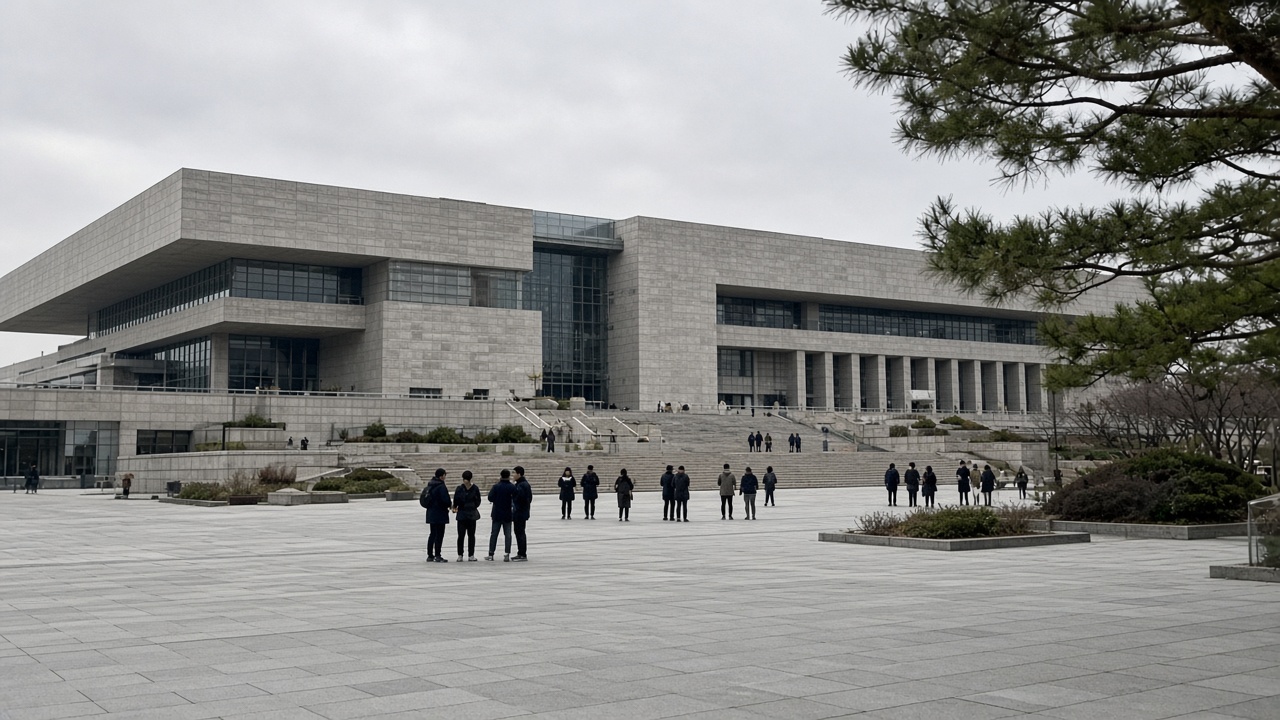
President Lee Jae Myung accepted the resignation of Yu Hong-jun as director of the National Museum of Korea on Tuesday, ending a week-long dispute over calligraphy linked to a Japanese colonial-era official that opponents said had no place in a taxpayer-funded show.
What triggered the row
Yu, a well-known art historian who previously led the Cultural Heritage Administration, opened a special exhibition that included works associated with figures viewed in South Korea as pro-Japanese collaborators. Lawmakers from opposition parties and civic groups said Yu had effectively recommended his own preferred pieces for display, blurring curatorial independence.
SBS reported that Yu submitted his resignation letter after the controversy dominated cable news and social media. The presidential office confirmed Lee had accepted it on 21 October without immediately naming a permanent successor.
Government and museum response
Culture ministry officials told reporters the museum would review internal approval processes for future special shows. Staff unions said they wanted interim leadership from senior curators rather than another political appointee.
Yu had argued in interviews before stepping down that the exhibition aimed to confront difficult history rather than celebrate colonial figures. Critics countered that context panels were insufficient and that including the calligraphy normalized figures who cooperated with Tokyo’s 1910–1945 rule over the peninsula.
Political backdrop
The fight lands as Lee’s administration pushes heritage policy as part of a broader cultural agenda ahead of local elections. Opposition leaders called for parliamentary hearings on how board members are selected at national institutions.
The National Museum of Korea, based in Seoul’s Yongsan district, draws millions of visitors annually. Its next major rotation is scheduled for November; acting management will decide whether to alter the disputed gallery before then.
Who Yu Hong-jun is
Yu rose to public prominence as a television presenter and author of popular books on Korean heritage sites before entering government. His 2024 appointment to the museum was seen by supporters as a chance to broaden audiences; detractors warned that celebrity leaders could override professional curators.
Opposition lawmakers said Tuesday they would summon culture officials to explain how the calligraphy panels were approved. Progressive civic groups planned a candlelight vigil near the museum calling for transparent boards, while conservative commentators argued the resignation punished open debate about colonial history.
Visitor impact
Ticket sales remained open Wednesday, and school groups on autumn field trips were not turned away. Museum spokespeople said security was routine and that no works had been removed from display as of midday. A successor could be named within two weeks, according to officials briefed on typical vacancy procedures.