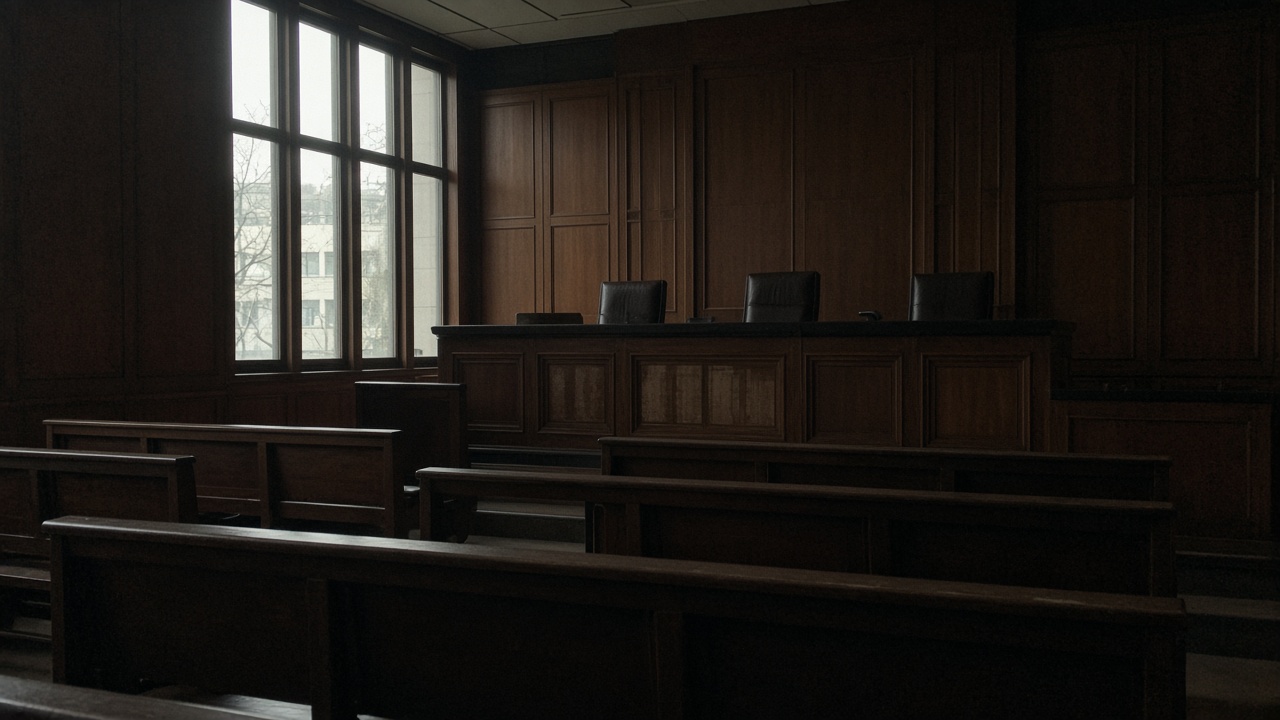
A court in Mie Prefecture on Tuesday handed down the longest prison term available under Japanese law to a former truck driver whose smartphone use triggered a chain-reaction crash on the Shin-Meishin Expressway that killed six people in March. Presiding Judge Hiroaki Deguchi of Tsu District Court sentenced Mitsuyo Mizutani, 55, to seven years in prison, matching the prosecution’s request.
How the crash unfolded
According to the ruling, Mizutani was driving a large truck on the outbound lanes in Kameyama shortly before dawn on March 20 while traveling about 82 kilometers per hour, above the posted limit. Prosecutors said she had been looking at her smartphone screen for roughly 13 seconds, including time spent viewing a short video on TikTok and attempting to capture a screenshot.
Her truck struck a line of vehicles stopped in congestion near the Nonobori tunnel area. Five members of a family from Fukuroi, Shizuoka Prefecture — Koji Matsumoto, 45, his wife Eriko, 42, and their three children — died in the first passenger car. Keizo Takamine, 56, from Soka, Saitama Prefecture, who was driving the car ahead of them, was also killed. The judge said the victims bore no fault and described the consequences as grave.
Why the sentence hit the statutory maximum
Deguchi called Mizutani’s driving “truly reckless” and said a professional driver who ignored basic safety duties deserved severe criticism. He classified the case among the most serious negligent-driving deaths in recent Japanese jurisprudence and concluded that only the seven-year ceiling fit the facts, even though the defendant expressed remorse and compensation for bereaved families remains possible.
Some relatives told reporters afterward that seven years still felt insufficient for six deaths. Eriko Matsumoto’s brother said he could not feel justice had been done; Takamine’s son asked whether the penalty matched the loss. Victim advocates have separately pressed lawmakers to treat habitual smartphone use while driving as closer to dangerous driving, a debate likely to intensify after Tuesday’s ruling.
Employer scrutiny
The crash also drew attention to working conditions in the trucking industry. In early October, prosecutors referred a Hiroshima transport company and its president to authorities on suspicion of requiring Mizutani and four other drivers to work illegal overtime. That parallel investigation does not change Mizutani’s personal criminal liability but could influence civil compensation and regulatory penalties against the carrier.
Mizutani, from Akitakata in Hiroshima Prefecture, stood silently as the judge read the victims’ names in court. Media accounts described family members dabbing away tears as the sentence was pronounced. Her defense team said she was considering an appeal.
What changes for drivers
Japanese police and transport ministries have stepped up messaging against “nagara” smartphone use, especially among commercial drivers monitored by tachographs and delivery apps. Tuesday’s sentence gives courts a recent benchmark when prosecutors argue that brief screen glances at highway speeds can produce multi-fatality outcomes comparable to more overtly aggressive driving.
For travelers on the Shin-Meishin corridor, the ruling is a reminder that congestion stops can appear suddenly in tunnel approaches. Expressway operators may revisit signage and speed enforcement near the Kameyama segment, though no immediate infrastructure changes were announced after the verdict.