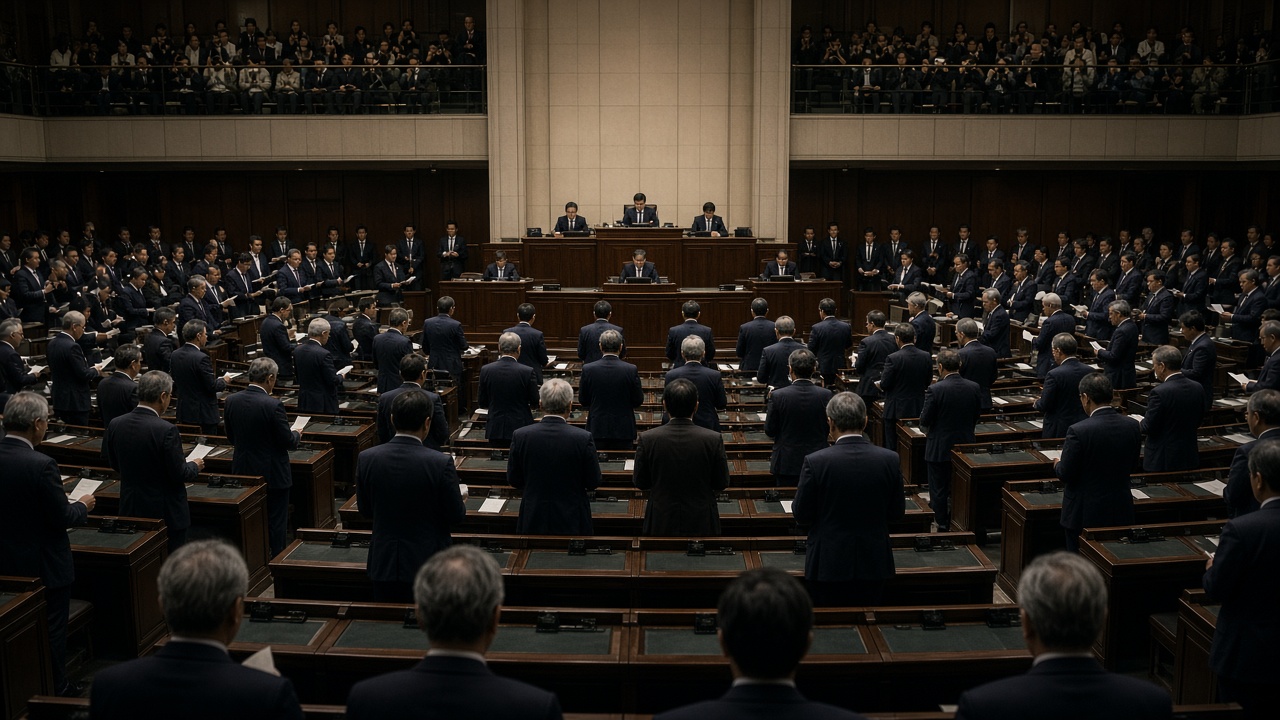
Japan’s parliament elected hardline conservative Sanae Takaichi as prime minister on Tuesday, making her the first woman to hold the office and handing the Liberal Democratic Party a renewed mandate after weeks of coalition bargaining with the Japan Innovation Party.
Takaichi secured 237 ballots in the lower house vote, according to broadcaster tallies, with opposition blocs split across multiple candidates. She is expected to name a cabinet swiftly, with senior lawmaker Satsuki Katayama widely reported as finance minister and Shinjiro Koizumi returning to the defence portfolio.
Coalition math and policy signals
The LDP lost its outright majority in recent elections, forcing Takaichi to court Ishin, as the innovation party is known, without giving it cabinet seats. Ishin leaders will instead advise from outside government—a arrangement party officials said would keep reform pledges on the table while stabilizing the premiership.
Takaichi, a former internal affairs minister and longtime admirer of Margaret Thatcher, campaigned on fiscal expansion and a tougher security posture. She has echoed Shinzo Abe’s mix of monetary easing and targeted spending, a combination traders bet will weaken the yen and lift exporters even as bond investors watch issuance plans.
Markets and the first hours
Equity indexes rose in Tokyo as Takaichi’s victory became clear, with chip equipment makers and banks among the leaders. The yen softened against the dollar, reflecting expectations that the new government will lean on the Bank of Japan to keep policy accommodative for longer.
Business lobby Keidanren welcomed the clarity after a month of uncertainty, while opposition lawmakers warned that Ishin’s decision to shelve a promised ban on corporate political donations could erode public trust in the coalition.
Foreign policy on the calendar
Diplomatically, Takaichi inherits a dense autumn schedule. U.S. President Donald Trump has confirmed plans to visit Japan for three days beginning October 27 after stops in Malaysia, and Tokyo is preparing for discussions on basing costs, semiconductor supply chains, and coordination ahead of the APEC summit in South Korea.
On China, Takaichi has been among the LDP’s more vocal figures on Taiwan contingencies and defence spending. Officials said she would reaffirm the U.S.-Japan alliance in her first news conference while leaving detailed China language to the foreign ministry.
What the premiership changes at home
Domestically, Takaichi must move quickly on a supplementary budget and on legislation to unwind a temporary food tax hike scheduled to roll back next spring. Ishin’s support is conditional on visible progress on regulatory reform, particularly in digital competition and local government consolidation.
For Japanese voters, the historic nature of the appointment is undeniable; whether it translates into material improvements in wages and prices will define Takaichi’s tenure far more than the milestone itself. Her cabinet lineup, expected within hours, will signal how sharply she intends to turn the policy rudder—and how much room Ishin has to pull it back.