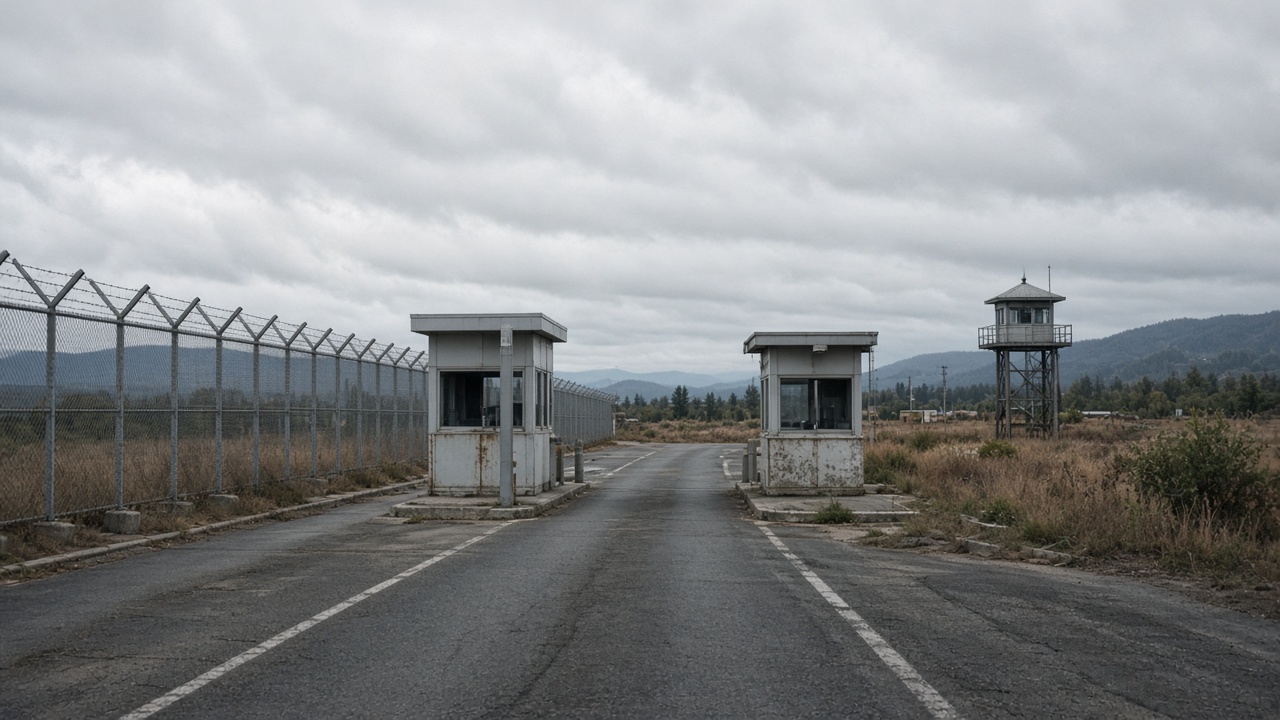
The Unification Ministry tested an SMS evacuation alert Wednesday aimed at South Korean nationals with permits to visit the Kaesong Industrial Complex, sending a scripted message to 214 registered managers and support staff during a tabletop exercise on border closures.
The drill did not move personnel and did not reflect live intelligence, ministry officials stressed at a background briefing. Instead, it checked whether phone numbers collected during permit renewals still work and whether recipients could reach a hotline within 15 minutes—a standard set after the 2016 complex shutdown stranded workers overnight.
Why Kaesong still registers
Operations at Kaesong have been suspended since Seoul pulled out citing North Korean nuclear tests, but a skeleton South Korean presence maintains equipment and negotiates property issues. Any sudden border tightening—whether from military exercises or political retaliation—could trap staff who enter for maintenance windows.
Wednesday’s message used neutral language: “This is a ministry communications test. Acknowledge receipt.” Ninety-one percent responded within the window, up from 76 percent in a similar drill in 2024, when outdated numbers and roaming gaps caused delays.
Coordination gaps
The ministry said it synchronized with the Joint Chiefs of Staff and National Police Agency so the test would not trigger public panic. Still, some recipients posted screenshots online, prompting the ministry to post a clarifying notice on its website within 20 minutes—a reminder that any real alert would leak instantly on Naver and Telegram.
Opposition lawmakers questioned whether SMS is adequate if North Korea severs mobile links entirely. Ministry officials answered that satellite phones remain mandatory kit for team leaders and that buses are pre-staged in Paju, though they declined to disclose exact locations.
Business angle
Kaesong Industrial District Foundation, which holds title to southern-owned assets in the zone, welcomed the drill but repeated its call for a formal risk insurance pool. Without resumed production, the complex is mostly a contingency file—but for the managers who still cross when permitted, the file is personal.
Seoul’s broader North Korea policy remains focused on deterrence and alliance coordination, not reopening Kaesong tomorrow. Wednesday’s test was smaller than that debate: make sure the phone buzzes, and someone picks up, if the gate slams shut again.
Public messaging
The ministry will run a second drill in December using broadcast radio break-ins along the western corridor, testing reach in areas where mobile service is spotty. Civil society groups asked for disability-accessible formats; officials promised TTY hotline scripts by November.
Industry groups and regulators said they will publish follow-up guidance within two weeks, giving banks, shippers, and clinics time to adjust internal checklists before year-end audits. Consumer advocates asked for plain-language summaries on issuer websites so cardholders and patients understand what changes on their next statement or visit.
Analysts covering the sector said the announcement fits a broader pattern of tighter operational rules after a string of high-profile compliance and safety cases this autumn. Whether the move shifts fundamentals or simply clears near-term compliance backlogs will depend on enforcement data due out in January.