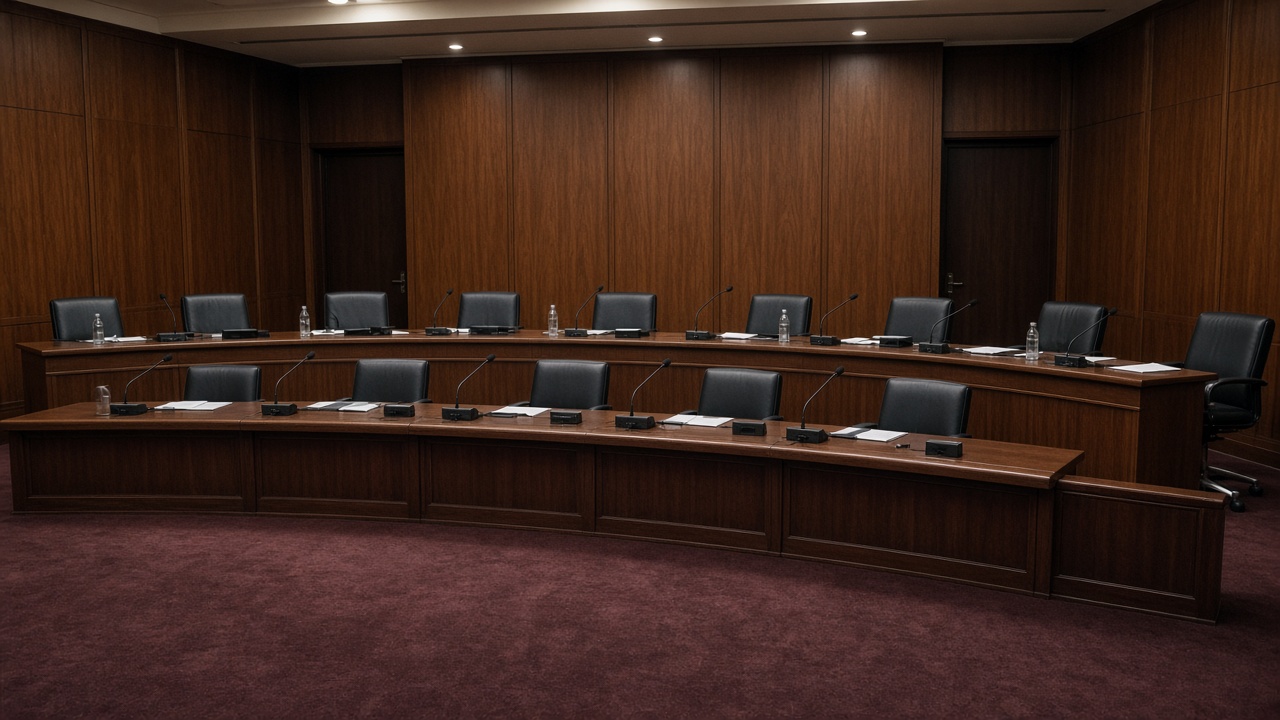
Schedulers for the House of Representatives Budget Committee circulated a draft calendar Thursday that compresses deliberations on reducing the consumption tax rate for food items into roughly two weeks of hearings, aiming for committee passage before regional party campaigning intensifies in November. The timeline mirrors the ruling coalition's pledge to spend only one-sixth the hours past tax bills consumed, but opposition parties warned the sprint leaves little room to identify offsetting revenue.
Calendar mechanics
Under the draft, expert testimony from retailers and economists would run three days next week, followed by clause-by-clause review the week after. A plenary vote could land in early November if the Upper House agrees to limited debate—a big if, given the chamber's opposition majority on some committees.
Government witnesses would include Finance Ministry tax bureau officials and Cabinet Office economists modeling household savings from a reduced rate on rice, bread, and fresh produce. Coalition partners Ishin no Kai asked for carve-outs for restaurant meals, a demand that could widen the revenue hole if accepted.
Fiscal offsets still vague
Constitutional Democratic Party of Japan lawmakers said they will boycott rushed votes unless Takaichi's team tables concrete funding sources beyond optimistic growth projections. Past consumption-tax debates consumed months because every percentage point equals trillions of yen over a decade.
Retail lobbyists want a clear effective date so supermarkets can reprogram point-of-sale systems before April 2027, the window referenced in ministry guidance. Convenience-store chains asked for transitional subsidies if labels must distinguish taxed and untaxed SKUs during rollout.
Political stakes
Takaichi's approval ratings have held since taking office, but local elections in prefectures dependent on agriculture will test whether tax cuts outweigh concerns about bond yields. LDP strategists believe visible grocery savings before winter heating bills arrive could shore up vulnerable seats.
Opposition leaders plan to tie hearings to recent yen weakness, arguing imported food costs may swallow rate cuts unless energy policy complements tax changes. Foreign ministry officials quietly note G7 peers are watching whether Japan can pair stimulus with credible issuance plans.
What happens if the sprint fails
Missing the November window would push substantive votes into the year-end Diet crush, when budgets and tax bills compete for floor time. Retailers then face another season of promotional pricing without statutory clarity—a costly limbo for chains that already printed autumn flyers assuming lower rates.
The schedulers' two-week map is therefore both a legislative tactic and a retail deadline. Whether it survives contact with the Upper House will determine if Japanese shoppers see tax cuts on shelves or only on campaign posters.
Stakeholder lobbying
Agricultural cooperatives submitted petitions asking that fresh vegetables and rice remain in the reduced basket while processed snacks stay taxed at the standard rate, a line-drawing exercise that clerks must encode into bill language before the sprint ends. Supermarket association JFA said misclassification fines should be deferred for six months so stores can retrain cashiers.
Municipal finance directors in Akita and Kochi warned that local consumption-tax grants could dip if the national rate structure fragments, pressuring governors to lobby LDP rural caucus members for transition subsidies.
Upper House dynamics
Constitutional Democratic Party leaders in the House of Councillors signaled they may demand joint committee hearings if the Lower House rushes votes, potentially stretching the calendar past the sprint schedulers want. Coalition whips are negotiating a compromise package of revenue estimates from gasoline tax transfers and dormant account recovery programs to sweeten passage.
Prime Minister Takaichi told party executives Thursday morning that visible grocery savings before year-end regional elections outweighs the reputational cost of another bond-heavy supplement, according to lawmakers leaving the meeting. Markets will judge whether that political calculus matches auction demand long before voters cast ballots.