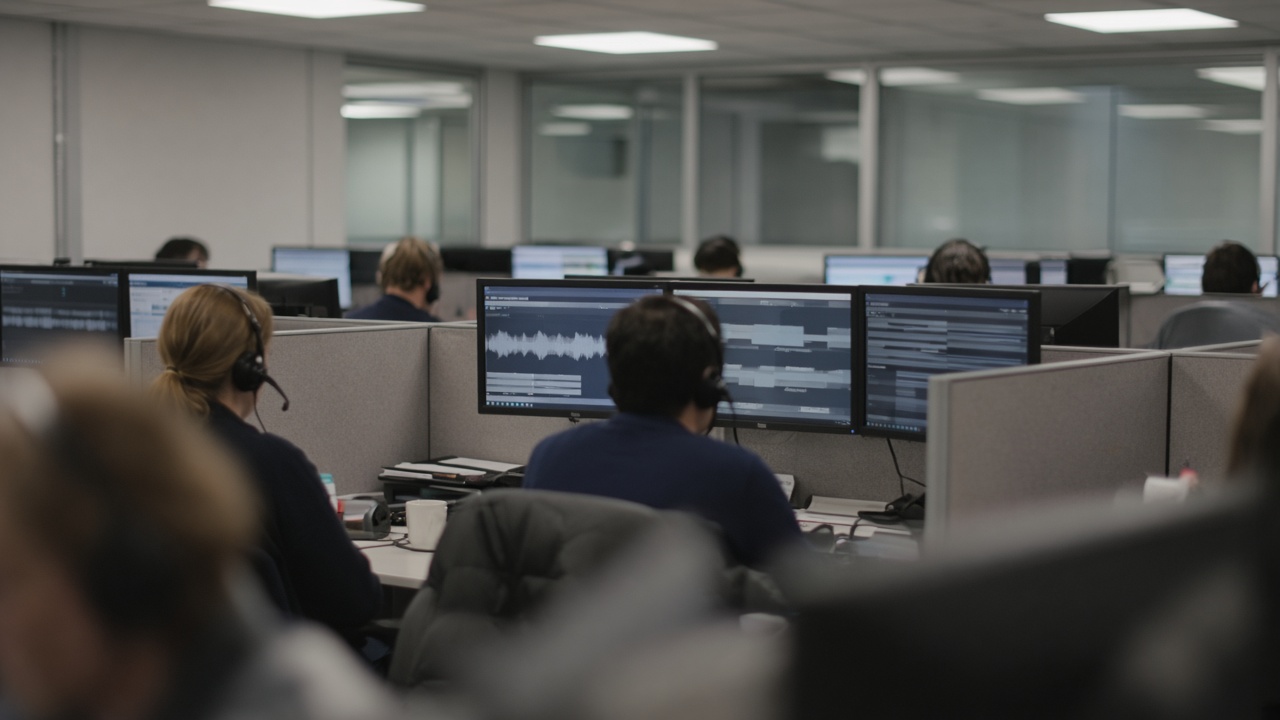
The Department for Work and Pensions will trial a deepfake detector on selected benefit helpline calls this winter, targeting synthetic voice clones used to impersonate claimants or advisers.
How the pilot works
Officials said the tool analyses live audio for artefacts common to generative voice models, then routes suspicious calls to a fraud review queue rather than cutting off legitimate claimants. The pilot covers universal credit and pension credit lines with the highest historical impersonation rates.
DWP contractors trained the model on anonymised recordings where investigators later confirmed fraud, plus synthetic samples generated in red-team exercises. Ministers stress that human reviewers must approve any account suspension.
Why now
Voice-cloning tools that once required studio data now run on consumer laptops. Fraud investigators logged cases where callers filed change-of-bank requests using audio stitched from social media clips.
The pilot lands ahead of the department’s winter fraud campaign, when helpline volume spikes and staff turnover rises. Union representatives asked for clarity on false-positive rates so genuine callers with speech impairments are not penalised.
Privacy safeguards
DWP said it will publish a data-protection impact assessment before expanding beyond the pilot regions. Calls flagged by the algorithm will be stored with restricted access, and claimants can request manual review.
Privacy campaigners want independent auditing of the vendor’s training data to ensure minority accents are not disproportionately tagged. Officials promised quarterly transparency reports if the pilot scales nationally.
Broader AI policy context
Ofcom is separately consulting on how online platforms should label AI-generated political content before local elections. The DWP project shows how generative AI is pressing operational teams, not just regulators writing guidance.
Other departments are watching. HM Revenue and Customs has run tabletop exercises on cloned voice attacks against self-assessment helplines, though it has not announced a live pilot.
What success would look like
Ministers will judge the pilot on detected fraud referrals that hold up under appeal, not raw flag counts. If false positives stay below an internal threshold, the tool could roll out to jobcentre appointment lines next spring.
Until then, claimants should continue using established identity checks—Government Gateway codes and in-person interviews—rather than assuming voice alone verifies an account.
Vendor competition
Three British cyber vendors bid for the production contract after the pilot. DWP procurement rules favour onshore data processing, a constraint that raised costs but pleased MPs worried about overseas hosting of claimant audio.
Academic reviewers from Oxford’s cybersecurity group will observe false-positive tests on accented speech samples before ministers sign off on national rollout.
Claimant advocates asked DWP to publish appeal outcomes when automated flags contribute to payment suspensions. The department said it would include those statistics in the pilot evaluation due before Easter.
Telecoms firms offered to route verified government outbound calls through authenticated numbering schemes, complementing inbound detection on helplines.