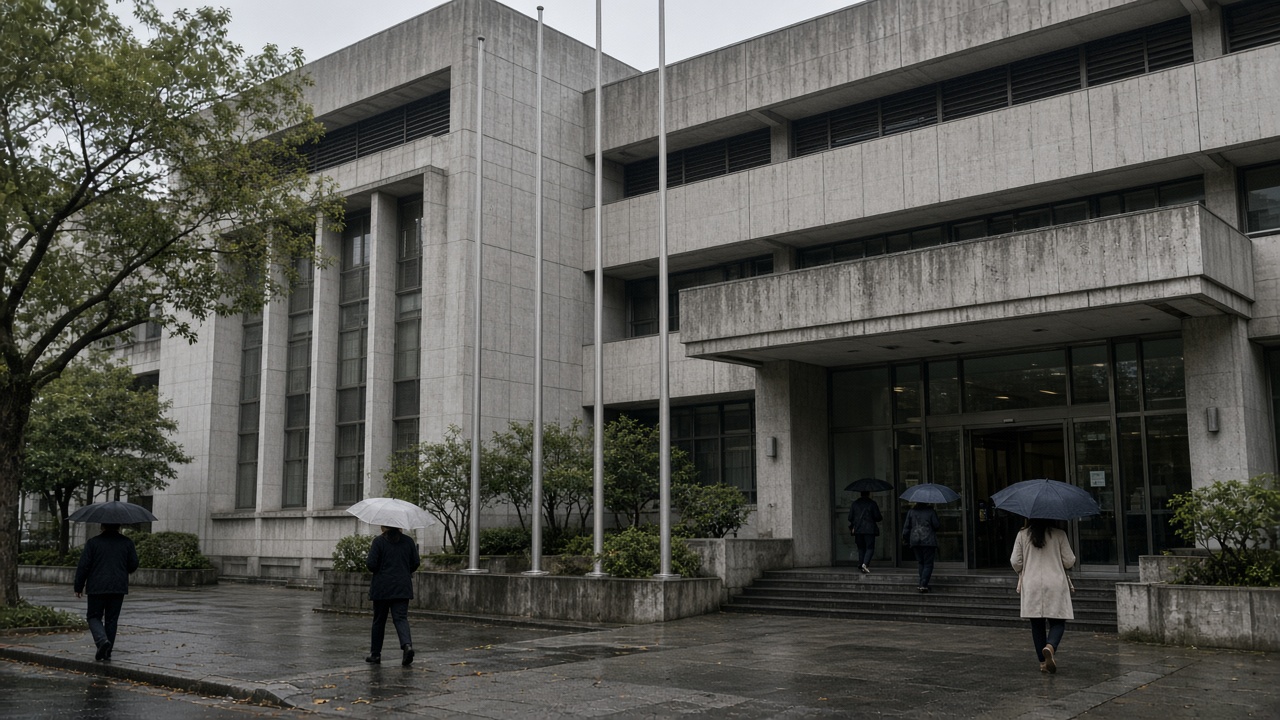
Taiwan's Fair Trade Commission on Wednesday blocked Grab Holdings Ltd.'s proposed US$600 million acquisition of foodpanda's Taiwan business, telling regulators that Grab's ownership ties to Uber Technologies Inc. could let one corporate family set prices across ride-hailing and food delivery.
Why Uber's name was on the order
Commissioners said the deal would have combined Taiwan's second-largest meal-delivery platform with a ride-hailing group that already competes through Uber Eats. Grab disclosed that Uber holds a double-digit equity stake and board influence; the FTC argued that even firewalled contracts would not stop coordinated commission changes or rider subsidies that squeeze independent restaurants.
foodpanda Taiwan still processes millions of orders a month for chains and night-market stalls. Delivery Partners Association lawyers told the hearing that riders feared a duopoly with Uber Eats if Grab walked in with foodpanda's merchant contracts. Grab said it would have kept separate brands and promised a NT$2 billion local investment fund; commissioners called the remedies too vague to police in real time.
What happens to merchants and riders
Wednesday's order leaves Delivery Hero's foodpanda unit operating as today while Grab keeps its smaller Taiwan ride business. Merchants who signed exclusivity clauses for the takeover must be released within 30 days, the FTC said, and any breakup fee disputes go to commercial courts, not the commission.
Investors had bet the deal would end a subsidy war that burned cash across Taipei and Kaohsiung. Shares of Taiwan-listed logistics names tied to cloud kitchens slipped in after-hours electronic trading, but the FTC said consumer savings from continued competition outweighed consolidation efficiencies.
Broader antitrust signal
The veto lands as Taipei reviews other digital tie-ups, including payment apps that bundle credit-card rebates with delivery points. Commissioner Lin Ming-hui said the panel would rather reject a multinational merger than unwind one after riders lose bargaining power.
Grab can refile with structural fixes—such as selling Uber's stake in the combined entity—but executives in Singapore told analysts on a call that they will prioritize Southeast Asian integrations first. For Taiwan diners, Wednesday's message is simpler: two competing apps remain, and the government will treat ride and meal platforms as one market when equity links run deep.
Commissioners' vote count
The seven-member panel voted unanimously after a three-hour hearing that included testimony from restaurant federations in Taichung and Kaohsiung. Staff economists modeled a post-merger world in which combined commission rates rose 1.2 percentage points within two years, a figure Grab's lawyers disputed but could not overturn with local data.
Delivery Hero said it will keep investing in Taiwan marketing even without a sale, while Uber Eats told merchants that its contracts remain unchanged. For antitrust lawyers, the decision becomes a template when other Asian regulators review super-app tie-ups that share U.S. ride-hailing investors.