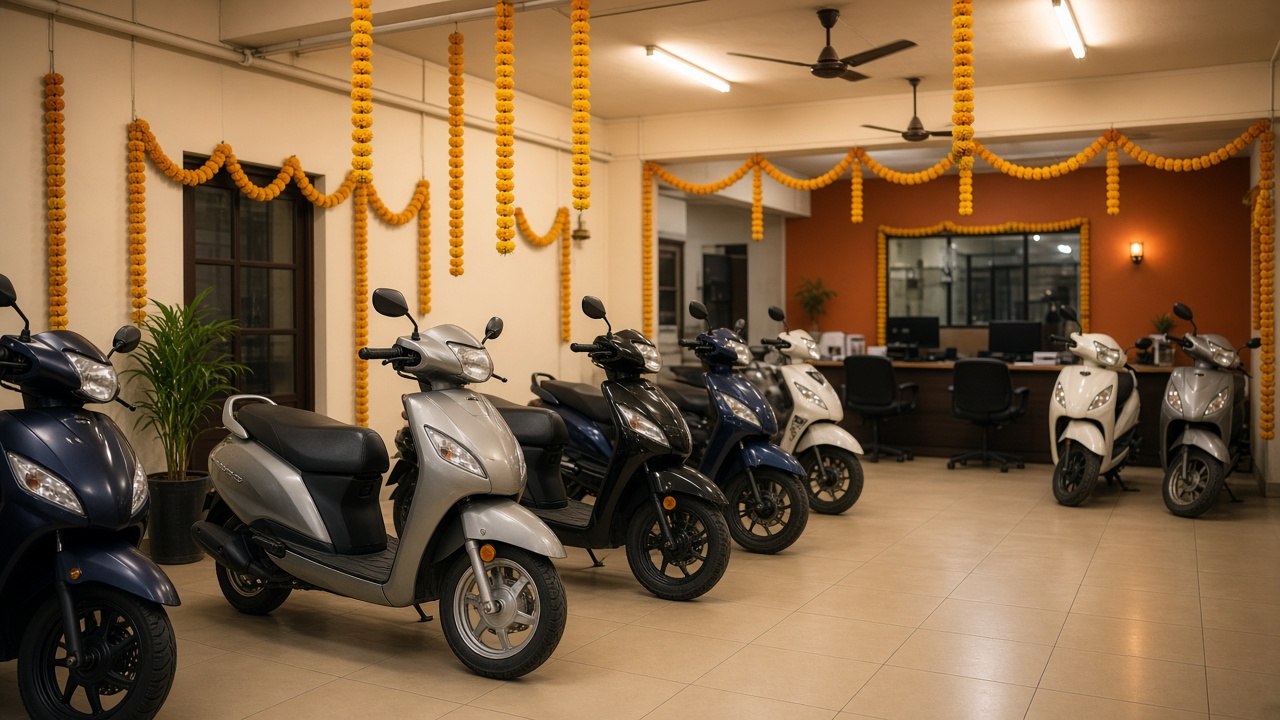
InfoHandle Editorial: The Reserve Bank of India did not raise rates to spoil Diwali; it raised them because inflation and oil imports left little choice. Still, the timing hurts households that were planning to finance scooters, refrigerators and smartphones on festive EMI schemes just as borrowing costs reset higher.
When the Monetary Policy Committee moved the repo to 5.50 percent and adopted calibrated tightening, it signalled that the easy-money interlude of the past two years is over. Lenders had already begun passing through higher marginal cost of funds to retail borrowers in September; October’s decision makes those increases harder to reverse before the shopping season peaks.
EMI maths matters more than headlines
Dealers advertise “no-cost EMI” as if the RBI does not exist. In practice, manufacturers subsidise interest so the consumer sees flat instalments. Subsidy pools shrink when financiers face higher refinance rates, which means either shorter zero-interest tenures or larger down payments.
For a family earning ₹45,000 a month in a tier-2 city, that difference is one week of school transport—not catastrophic, but enough to push buyers toward smaller engine displacements or delayed upgrades.
Who bears the risk
Non-banking finance companies that dominate two-wheeler paper carry more floating-rate exposure than public-sector banks. Their cost of funds tied up within days of the MPC statement, while appliance retailers still run television ads filmed before the hike.
Regulators have tightened consumer-credit underwriting after unsecured personal loan growth spiked in 2025. The policy message and the micro-prudential message now align: do not count on ever-lower EMIs to absorb income shocks.
A better festive bargain
Households should compare total finance charges, not just gift vouchers bundled with checkout. A slightly smaller appliance bought outright—or financed over a shorter tenor—may beat a flagship model stretched across 24 months at a repriced rate.
Delhi’s air-quality controls and Tamil Nadu’s rain alerts already complicate travel and construction wages this season. Adding a rate hike on top exposes how much of India’s consumption story relied on cheap money. The MPC chose price stability; shoppers must choose discipline.
Policy context
The MPC’s inflation projections above five percent for parts of FY27 leave little room for cuts even if growth softens. That means festive finance schemes will price off a higher floor for at least two quarters, regardless of election-season rhetoric about relief.
State governments running electricity bill subsidies cannot offset higher loan servicing costs for appliances that spike winter demand. The combined hit matters most in homes that already devote a double-digit share of income to food after onion and sugar price spikes noted in the RBI bulletin.
Banks with large gold-loan books may see collateral calls if families pledge jewellery to fund purchases—another second-order effect of tighter money that showroom advertising rarely mentions.
None of this argues against celebrating Diwali; it argues for reading the fine print before signing finance documents at the counter.
Two-wheeler finance companies privately told dealers to expect tighter loan-to-value caps on entry-level models, nudging buyers toward larger down payments that may delay purchases into January when year-end inventory clearance traditionally brings softer rates—even if the MPC holds steady.
Appliance makers running exchange offers must still fund scrap subsidies; higher working-capital rates could shrink those pools, making advertised “effective prices” less generous than last Diwali despite similar sticker discounts.