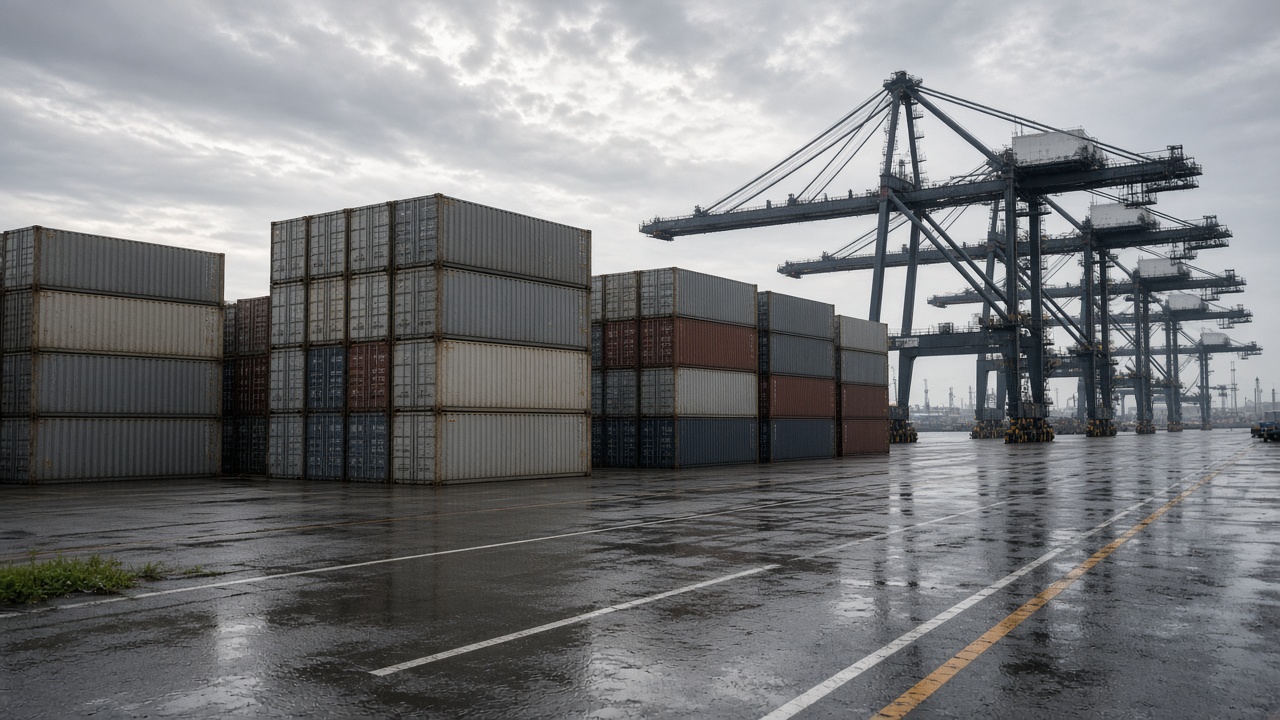
Japan's Ministry of Finance reported a ¥536.6 billion trade deficit for September on Wednesday morning, nearly triple the ¥181 billion shortfall economists surveyed by Reuters had expected, as import growth outpaced another double-digit export gain. The release landed hours before Prime Minister Sanae Takaichi's government prepared to defend a second supplementary budget in parliament, giving manufacturers a fresh data point on how energy and chip equipment bills are swelling in yen terms even when overseas demand holds up.
Exports still grew, but imports ran hotter
Shipments abroad rose 16.7 percent from a year earlier, extending a thirteen-month streak yet missing the 20.1 percent pace analysts modeled. Exports to the United States climbed 22.9 percent, while sales to China increased 8.6 percent, helped by semiconductor equipment orders that have kept factory utilisation high across Nagoya and Kumamoto. Imports, however, jumped 18.9 percent, reflecting crude and liquefied natural gas cargoes that arrived after Middle East shipping disruptions delayed August deliveries.
The deficit narrowed from August's ¥1.1 trillion gap, but the September figure still underscored how a yen near 158 per dollar magnifies dollar-denominated commodity invoices. Trading houses told the Japan Foreign Trade Council that pass-through to industrial gas and electricity tariffs is now a board-level topic, not a procurement footnote.
What the cabinet sees in the numbers
Chief Cabinet Secretary Yoshimasa Hayashi told reporters the government would monitor energy prices closely while pressing ahead with household relief measures, including the proposed rollback of the consumption tax rate on food items. Opposition lawmakers seized on the import surge to argue that fiscal stimulus without supply-side fixes simply imports inflation, a line that resonates with small manufacturers in Osaka and Hiroshima who buy aluminum and copper on global exchanges.
For exporters, the same data cut both ways: weaker yen flatters translated revenue at Sony, Toyota, and the trading majors, yet raises input costs for domestic-focused food and beverage producers who cannot easily raise shelf prices ahead of parliamentary debate on tax cuts.
Sector read-through for investors
Equity strategists at domestic brokerages said the trade report is unlikely to move Bank of Japan policy on its own—the central bank already raised its policy rate to 1.25 percent in September—but it feeds the narrative that Japan's recovery remains export-led and energy-import dependent. Machinery orders data due next week will show whether capital spending is catching up with shipment strength in precision tools and testers.
Automakers, which report quarterly earnings later this month, are watching Brent crude hovering near $110 a barrel as a swing factor for full-year margin guidance. September's delayed crude arrivals may mean October import figures look worse before seasonal demand eases.
Regional supply chains
Electronics assemblers in Kyushu said equipment imports tied to AI server builds are lumpy: customs values spike when lithography and test tools clear Yokohama and Kobe in the same week. That volatility makes month-to-month deficit comparisons noisy, which Ministry of Finance officials acknowledged in the statistical appendix.
Agricultural cooperatives, meanwhile, flagged higher fertilizer import costs even as rice harvests progress. The government has stockpiled some grains, but feed importers for the poultry industry said currency hedges rolled in April no longer cover spot needs, pushing them to shorten contract tenors.
Looking ahead to year-end
Analysts expect October imports to rebound as delayed energy cargoes book, potentially widening the deficit again unless export growth re-accelerates toward August levels. Companies with dollar revenues are accelerating hedge reviews before fiscal third-quarter closes, while importers are negotiating shorter payment terms with trading houses.
For readers tracking Takaichi's economic program, the trade print is a reminder that stimulus headlines and tax-cut timelines do not by themselves shrink Japan's structural reliance on foreign energy and materials. The September gap was smaller than August's, but it was still far wider than markets expected—and that miss is what traders priced into the yen and bank shares in the Tokyo morning session.