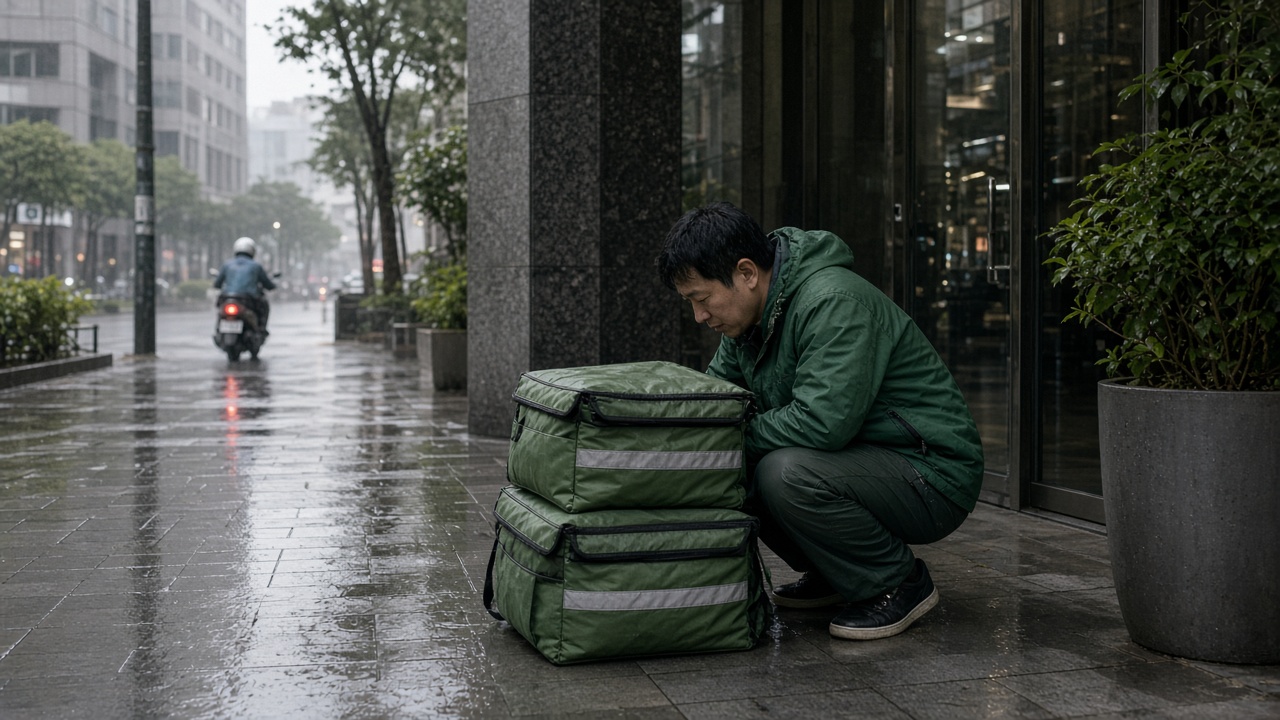
Taiwan's Fair Trade Commission blocked Grab Holdings Ltd.'s proposed acquisition of Delivery Hero SE's Foodpanda operations in Taiwan on Wednesday, ruling that the deal would likely harm competition in a market already dominated by Uber Eats and Foodpanda.
Commissioner Shin Chih-chung told reporters in Taipei that three commissioners voted to prohibit the combination, one favored conditional approval and a fifth recused. The decision ends, for now, Grab's plan to enter Taiwan by buying Foodpanda's local business in a transaction widely reported at about US$600 million.
Why regulators focused on Uber's stake
Grab does not currently operate in Taiwan. The FTC said Uber Technologies Inc., parent of market leader Uber Eats, holds about 13.1 percent of Grab's shares even though Uber's voting rights are capped at 3.9 percent. Regulators pointed to Uber's past board representation, shared directors and years of cooperation between the two companies in other countries.
That structure, the commission said, would reduce Grab's incentive to compete aggressively with Uber Eats after a merger. Taiwan's food-delivery sector has high barriers to entry, the FTC added, because new platforms must spend heavily to sign up restaurants, riders and customers while existing players enjoy strong network effects.
Remedies the FTC rejected
Grab had offered to dilute Uber's stake, keep Uber executives off Grab's board and limit exchanges of competitively sensitive information. Shin said the FTC could not be confident those steps would work in practice or fully address coordination risks.
The commission said Uber would need to cut its Grab holding substantially, or exit entirely, to meaningfully lower the chance of tacit coordination. It blocked the deal under Article 13 of the Fair Trade Act, concluding that disadvantages outweighed potential benefits.
Asked whether blocking the merger might simply strengthen Uber Eats if Foodpanda eventually leaves Taiwan anyway, spokesman Hsin Chih-chung said the FTC does not decide cases on hypotheticals. Its standard is whether a combination would damage free-market competition, not what might happen if antitrust rules are enforced.
Industry and political reaction
Grab said it was disappointed and would not be able to bring planned services and earning opportunities to Taiwanese consumers, delivery partners and merchants. It added that its core Southeast Asian businesses remain strong and that it will keep investing elsewhere in the region.
Fair Trade Commission acting chair Chen Chih-min told lawmakers on Thursday that he had favored conditional approval with obligations attached, but was not persuaded by the evidence on record. Legislators questioned whether cross-border data security should factor into merger reviews; Chen said the FTC focuses on competition effects and leaves non-economic security issues to other agencies.
Grab and Delivery Hero may reapply if they change the deal structure or financial terms. For now, Taiwan's two-platform duopoly stays intact while regulators signal that complex equity links to a rival will draw intense scrutiny.