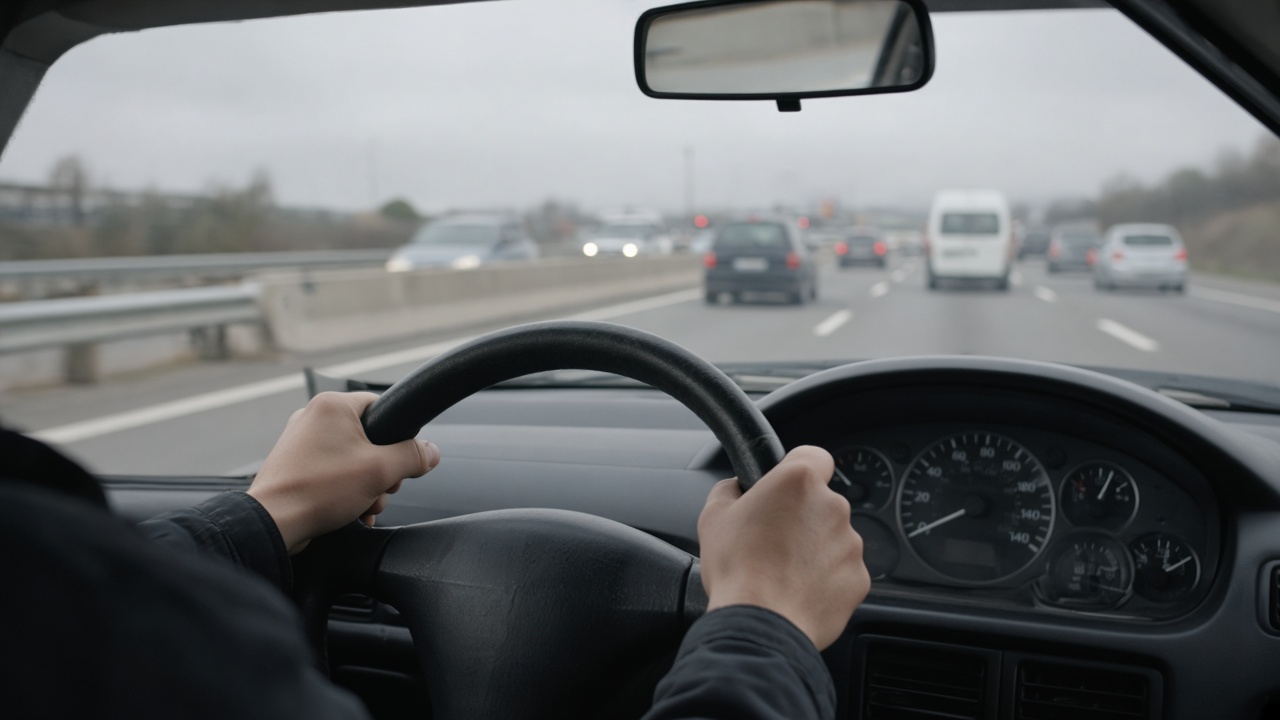
InfoHandle Editorial: Singapore motorists are being asked two incompatible things at once—absorb record COE prices today, and trust that a merged passenger-car category with feebates will make tomorrow’s market fairer.
Premiums first, principles later
The 21 October bidding exercise left Category A at S$132,004, the second-highest reading for small cars. Category B sits a hair below that level. Open-category premiums remain above both, showing that quota scarcity, not engine size alone, sets the price.
Land Transport Authority’s consultation on merging Categories A and B closes on 2 November. Officials promise findings by the first half of 2027. That is a long gap for families whose COEs expire next year and must bid now.
What consultation should answer
Submitters should demand modelling on how a single pool would have behaved during the 2024–2026 premium spikes. Without published simulations, merge talk sounds like administrative tidying.
LTA should also spell out how rebates would flow to mass-market buyers if luxury cars pay surcharges. Rebates that arrive months after registration do not help with upfront loans.
Heartland stakes
Heartland households use cars for eldercare runs, shift work and multi-stop errands that buses cannot serve at 2 a.m. They are not speculators. When premiums chase S$132,000, the policy choice is whether car ownership remains a practical option or a luxury good dressed as a permit system.
Parallel products such as OCBC’s new ringgit savings account show banks courting Causeway spending, yet the state still prices local road space as if every buyer were indifferent to price. That mismatch fuels resentment.
Editorial verdict
Merge Categories A and B if—and only if—independent analysis proves lower volatility and protects the cheapest quartile of buyers. Otherwise extend the consultation, publish the models, and stop pretending another S$2,000 premium jump is a market outcome motorists can simply avoid.
Ten days remain at go.gov.sg/coe-pcd-feedback. Use them.
Transit alternative
Policy makers often point to improved MRT coverage, yet last-mile trips at odd hours still push families toward cars. Without credible alternatives in the consultation response, merge proposals will be read as revenue-neutral accounting rather than relief.
Parliament should require LTA to table distributional impacts by income decile before any legislation is moved, so MPs can debate trade-offs openly rather than through bidding outcomes alone.