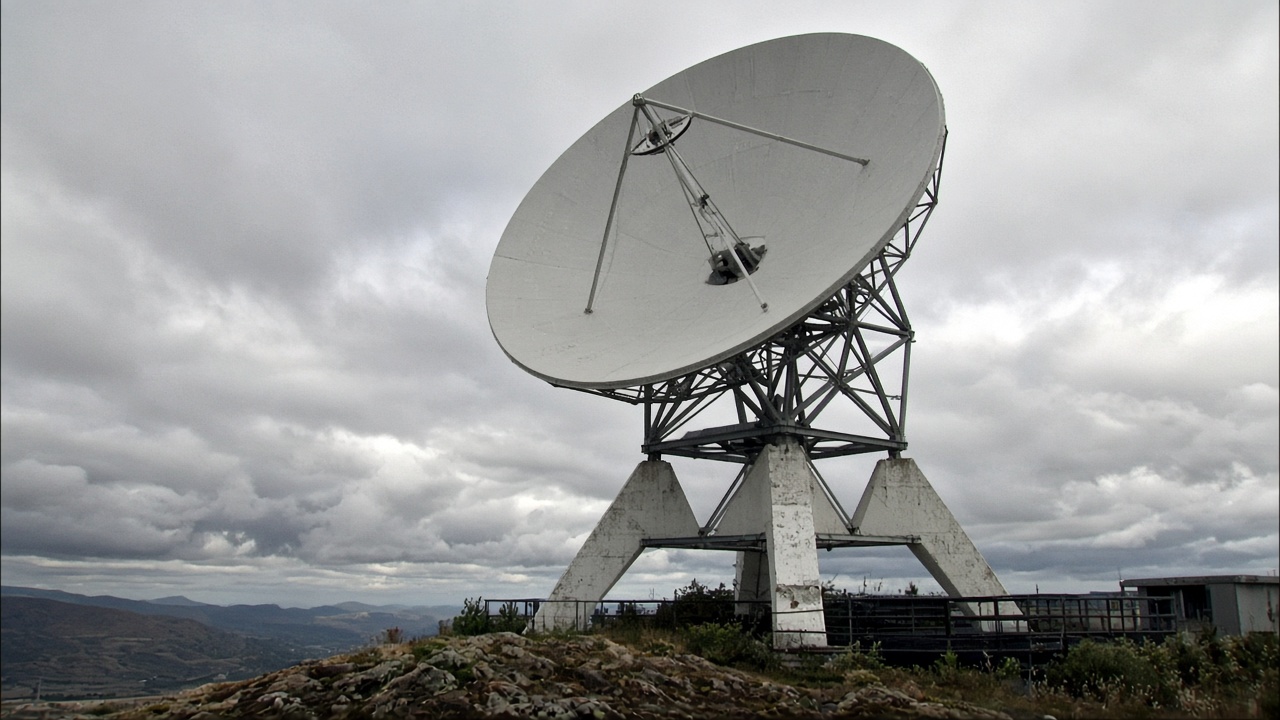
The Indian Space Research Organisation and the Department of Science and Technology commissioned an expanded mirror facility at the Indian Space Science Data Centre in Byalalu, Karnataka, giving scientists a redundant archive path for high-rate telemetry from the Aditya-L1 solar observatory and future deep-space missions.
Officials said the high-throughput node lets researchers replicate instrument packets locally instead of pulling them repeatedly from primary storage at UR Rao Satellite Centre, cutting latency for teams studying coronal mass ejections and in-situ particle data. The upgrade aligns with ISRO’s push to keep science data inside India while still interoperating with global heliophysics archives.
Why mirroring matters
Solar missions generate burst traffic during flare events; a single storage choke can delay public releases and operational alerts. The Byalalu mirror spreads copies across geographically separated racks, a pattern ISRO also uses for Earth-observation downlinks.
Academic users accessing ISSDC portals should see faster browse and download times for level-2 products, project scientists said, though legacy APIs will remain supported during a phased cutover.
Gaganyaan and relay plans
The data-centre expansion precedes crewed Gaganyaan test flights that will lean on the Indian Data Relay Satellite System once operational. UR Rao Satellite Centre recently completed thermal vacuum tests on the first IDRSS spacecraft, which will route low-earth-orbit telemetry when ground stations are out of view.
Together, relay satellites and mirrored archives are meant to reduce single-point failures—a lesson from earlier missions that lost contact windows during critical manoeuvres.
Open science angle
ISRO has been publishing more Aditya-L1 datasets under open-use policies, and the mirror node includes checksum tooling so universities can verify they are working with unaltered files. DST officials said the facility also backs upcoming astronomy missions that will share the same ground segment.
For India's space science community, the practical benefit is simpler: less time waiting on downloads, more time modelling solar storms that can disrupt satellites and power grids.
User access
University researchers downloading coronal imagery for classroom use should see lower latency once mirrors sync overnight batches. ISSDC help desks said they will publish checksum files alongside each data release so citations in journals can point to verifiable archives.
Commercial weather firms tapping ISRO feeds under licence agreements must still route payments through government channels, but technical integration becomes simpler when mirrors sit on high-bandwidth national research networks.
Future missions
Chandrayaan science teams are evaluating whether lunar instrument dumps should land on the same mirrored infrastructure, reducing duplicate storage costs across missions.